
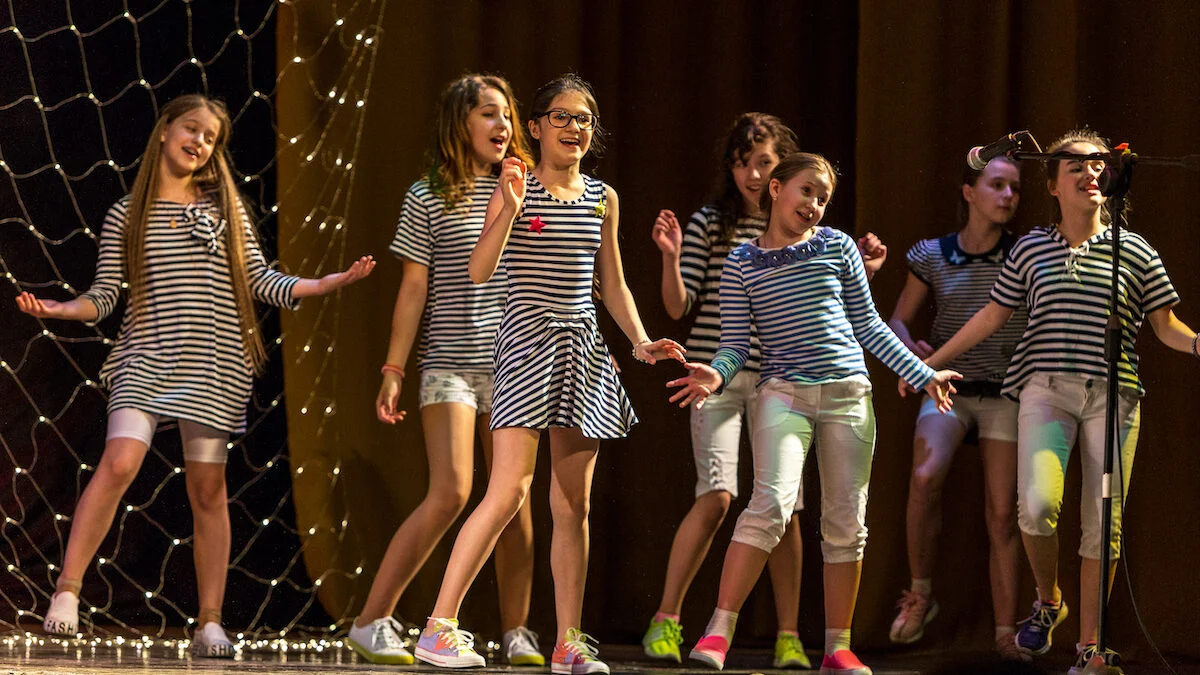
Between dance galas, choirs, school performances and fairs, the month of June is often synonymous with great moments for children. But this year, these festive events are taking place under particularly high temperatures. A combination that can put the youngest to the test, sometimes to the point of heat stroke.
Thick suits, long waits in the sun, excitement, repeated physical exertion and insufficient hydration: all the ingredients sometimes come together to cause discomfort. So what are the signs that should alert parents? How can you prevent a show from turning into an incident? Advice from Dr Gérald Kierzek, emergency doctor.
A child can burn out much faster than an adult
During a performance, children are often very focused and do not pay attention to their fatigue or thirst. However, under the effect of heat, their body can quickly reach its limits.
“During a show in the heat, a child can really get exhausted quickly, especially if they stay in direct sunlight, move around a lot, drink little or wear a costume,” explains Dr. Gérald Kierzek.
The first warning sign is often a sudden change in behavior. A normally energetic child suddenly becomes limp, slowed, or seems absent. He may also appear unusually calm or, on the contrary, particularly irritable. It’s a sign!
Signs that should alert you
Certain symptoms are characteristic of the beginnings of heat stroke and should not be minimized.
Among the main signs to watch for:
- A very red face or abnormally warm skin;
- Profuse sweating;
- Intense thirst, dry lips or mouth;
- Sudden fatigue;
- Difficulty following instructions or staying focused;
- Headaches;
- Dizziness or feeling unwell;
- Nausea or vomiting;
- Cramps;
- A fixed or “into the void” gaze.
“The signs to spot are especially sudden fatigue, a child who is softer, pale or on the contrary very red, who complains of headaches, nausea, dizziness or intense thirst”specifies the doctor.
How to prepare your child before the show?
A few simple measures can limit the risks.
The first is to anticipate hydration. A child should not wait until he is thirsty to drink. It is best to regularly offer him water before, during and after the performance.
The choice of clothing is also important. When possible, choose light, breathable clothing. If a costume is required, try to limit the time the child wears it before going on stage.
Dr Gérald Kierzek also recommends:
- Keep the child in the shade between visits;
- Avoid prolonged exposure to the sun before the show;
- Bring a bottle of water, a fan or a damp towel;
- Do a test beforehand if the costume is particularly warm or unusual.
What to do if your child shows signs of fatigue?
From the first symptoms, it is important not to push the child to continue his effort at all costs.
“It is better to sit him in a cool or shaded place, offer him to drink in small sips and refresh him with water on the back of the neck, face or arms.”
If possible, remove a layer of clothing or loosen elements of the costume that could add to the heat. In most cases, these measures are enough to make the symptoms disappear quickly.
These signs require urgent attention
However, certain events must lead to the activity being immediately interrupted.
You should consult quickly or call for help if the child:
- Makes incoherent comments or appears confused;
- Has difficulty walking or loses balance;
- Feels unwell;
- Vomits repeatedly;
- Is very sleepy or difficult to wake up;
- Presents very hot skin associated with significant fatigue;
- Does not improve despite rest, cooling and hydration.
In these situations, it is no longer a simple heat-related fatigue but potentially a real heat stroke, a medical emergency that requires rapid treatment. And inevitably, the artists’ exit.