
After age 60, metabolism slows down, muscle mass decreases and immune defenses become less effective. Result: certain foods, very present in daily life, may be less well tolerated or increase certain health risks.
After 60, what foods tire the heart and metabolism the most?
Adults should consume less than 5g of salt per day and limit free sugars to 10% of their daily energy intake, according to the World Health Organization (WHO). With age, it is therefore particularly important to limit very salty or very sweet foods, such as cold meats, certain cheeses, brick soups, prepared meals or even sweetened drinks.
These foods can promote hypertension, diabetes and cardiovascular disease when consumed regularly in excess. The MangerBouger site also recommends limiting fatty meats as well as products with a Nutri-Score D or E.
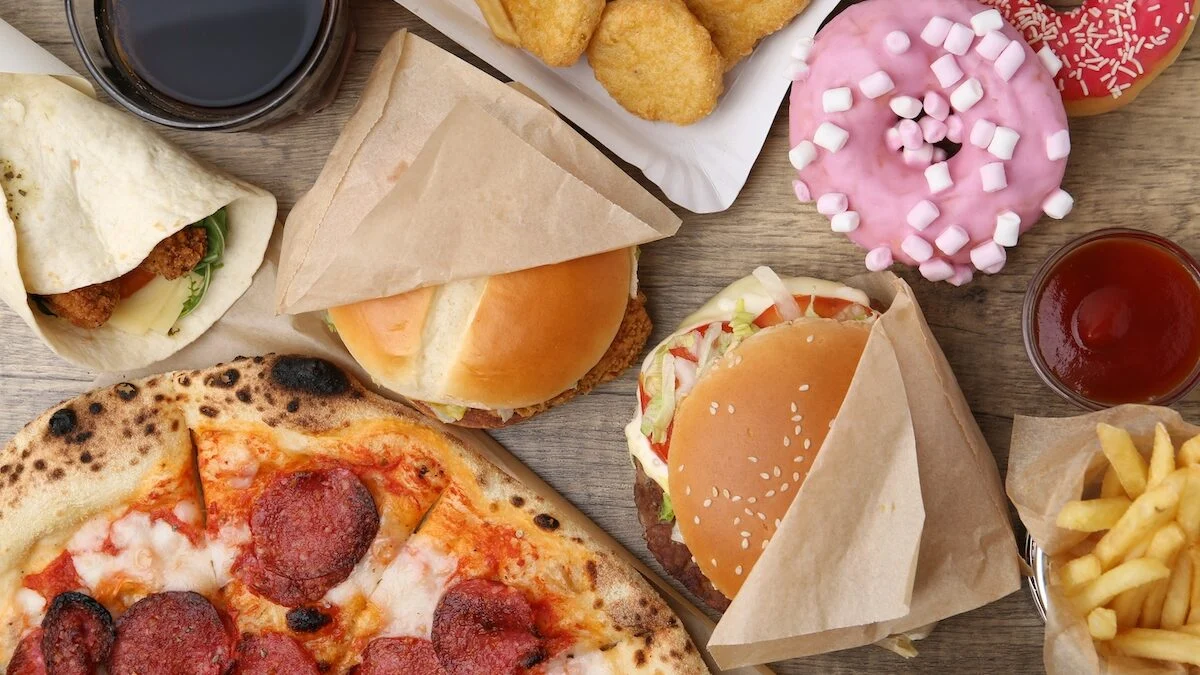
As for fats, Health Insurance recommends limiting saturated fats and trans fatty acids, which are found in particular in certain pastries, biscuits, pastries, fried foods and breaded foods. Consumed in excess, they can increase LDL cholesterol levels, which contributes to the development of atherosclerosis. But there is no question of completely banning these foods! The idea is rather to reserve them for occasions and to favor rapeseed or olive oils, nuts and fatty fish on a daily basis.
After 60, what foods should you avoid to limit food poisoning?
With age, the risk of food poisoning increases. The Canadian government explains that people over 60 are more exposed to complications, in particular because their immune system is often less effective and certain chronic illnesses make infections more difficult to overcome.
Particular vigilance is therefore recommended with raw or insufficiently cooked foods: raw eggs or raw cake batter, undercooked meat and poultry, raw sushi and fish, raw seafood, refrigerated pâtés, but also raw sprouts and sprouts.
Certain dairy products and beverages also require more precautions. You should therefore avoid raw milk, unpasteurized juices and certain soft or blue cheeses made with raw milk, such as brie, camembert or blue.
Sufficient cooking of high-risk foods and compliance with the cold chain also helps reduce the risk of food infection.
After 60 years, diet must be adapted
With age, certain changes can also make eating more complicated. Work by INRAE researchers shows in particular that some elderly people reduce their consumption of meat, fruit or vegetables due to difficulty chewing or the fear of going the wrong way. Ultimately, this can promote malnutrition and muscle wasting.
Rather than eliminating these foods, it is often preferable to adapt them: ground or simmered meat, tender fish, well-cooked vegetables, stewed fruits without added sugar or even easy-to-consume fermented dairy products.
When shopping, limiting very salty or very sweet products, ultra-processed foods and products with a particularly long list of ingredients is also important. Partially hydrogenated oils should also be avoided.
Finally, these recommendations do not mean that we must systematically eliminate certain foods after the age of 60. Needs vary depending on health status, physical activity, appetite and treatments followed. In the event of weight loss, reduced appetite or difficulty eating, the advice of a doctor or dietitian can help adapt the diet without risk of deficiencies.