
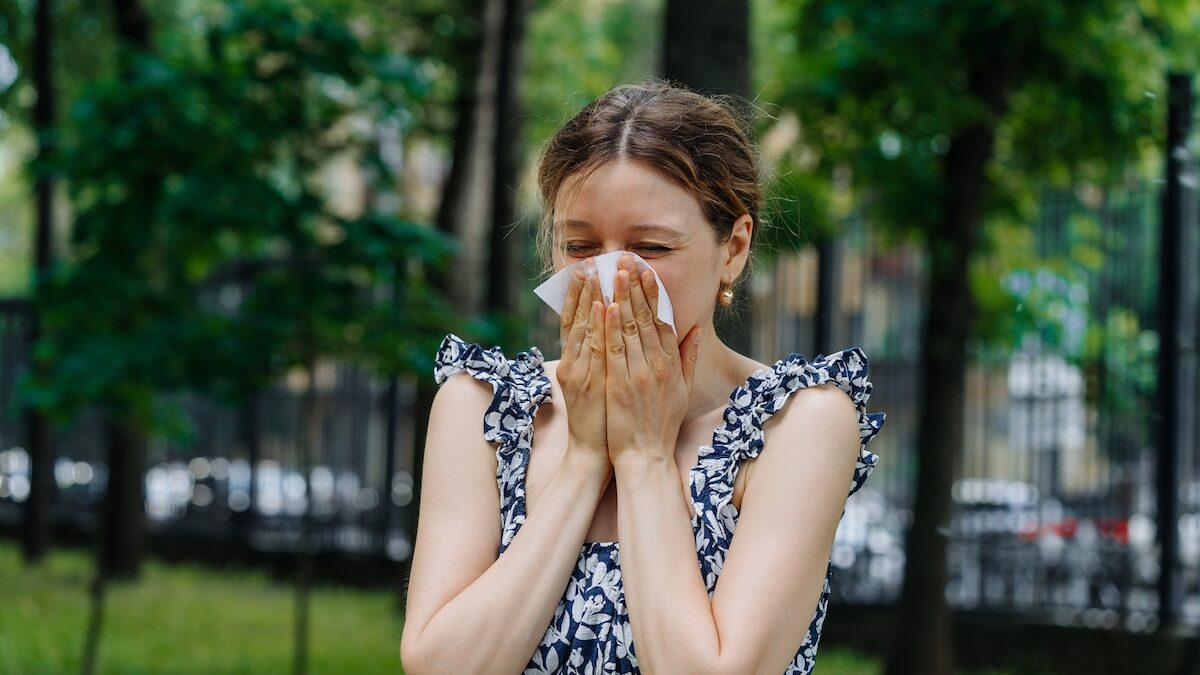
With the arrival of hot weather, many hoped to finally turn the page on spring allergies. However, for many French people, the symptoms seem to be intensifying. For several days, very high temperatures have favored a significant concentration of pollen in the air, while several regions are already experiencing episodes of marked heat.
Pollens and heatwave, a mixture that promotes allergies
Grass pollens, very present in gardens, meadows and along roadsides, disperse more easily when temperatures increase and precipitation becomes rare. “It’s a very complicated week for allergy sufferers.“, underlines Samuel Monnier, aerobiology engineer.
This situation is also part of a more global development. Pollination periods now start earlier in the year and extend over a longer period. Epidemiologist Kévin Jean recalls that “climate change not only favors longer seasons, but also an increase in pollen concentrations.“
Why heat amplifies allergic symptoms
For Dr. Gérald Kierzek, emergency physician and medical director of True Medical, high temperatures act as an aggravating factor. The ozone peaks observed during heatwaves irritate the respiratory tract and make the mucous membranes more sensitive to allergens.
The specialist also specifies that “heat also dries the mucous membranes of the nose and throat, making it easier for pollen and other irritating particles to penetrate.“
Excessive sweating can also accentuate certain skin manifestations.such as eczema or hives, especially in people who already have allergies“When humidity increases, mold grows more easily and adds an additional source of allergens.
Actions recommended by Dr Gérald Kierzek to breathe better
To reduce exposure to pollen, the doctor recommends several small actions:
-
Ventilate your home early in the morning or in the evening, when their concentration in the air is lower;
- Wearing sunglasses and a hat can also limit contact with allergens;
-
Wash your hair before going to bed to remove pollen accumulated throughout the day;
- Drinking enough water helps keep mucous membranes hydrated and reduces irritation.
People already being treated for seasonal allergies can take their antihistamines preventively. In cases of allergic conjunctivitis, cold compresses applied to the eyes often quickly soothe the discomfort.