
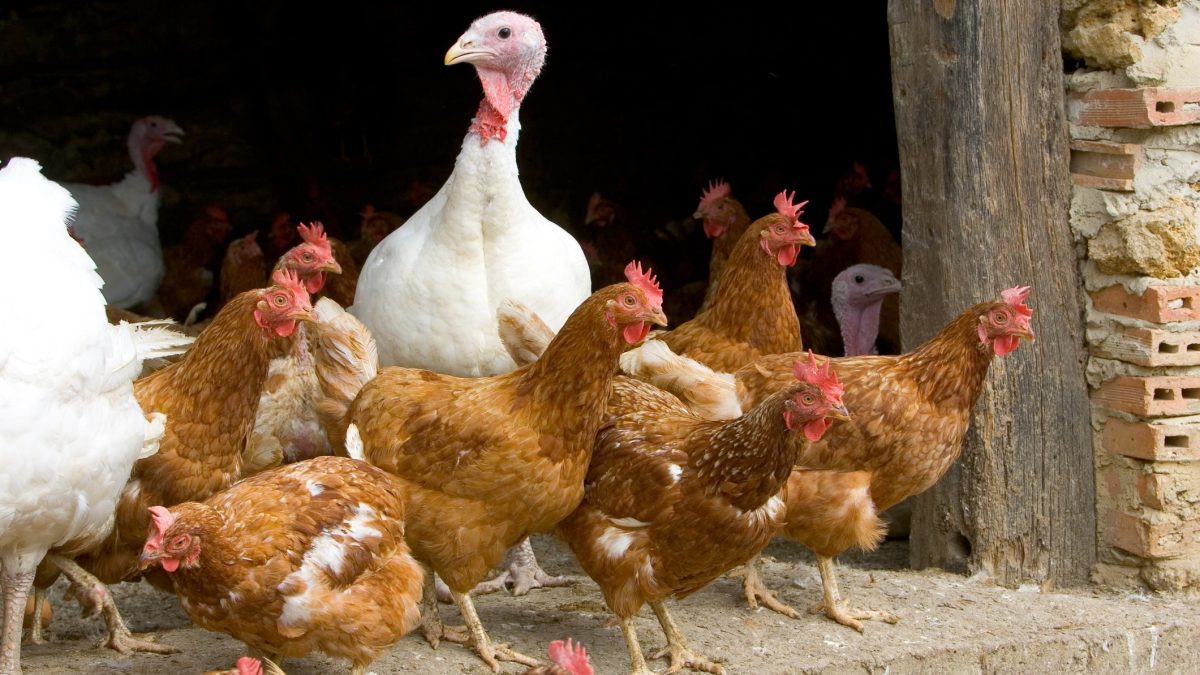
According to Dominique Schelcher, the general director of Système U interviewed on BFMTV this Tuesday, December 13, around 20 to 25 million poultry were slaughtered this year because of the avian flu epidemic. So what are the risks for consumers?
Extremely monitored sectors
According to the authorities, there is no evidence of human beings being infected with avian flu following the consumption of poultry or eggs.
And this for several reasons: on the one hand, the sector is extremely monitored – poultry present for slaughter undergo a veterinary inspection before and after their death in order to remove sick animals from the food chain.
The virus disappears when cooked
What if poultry managed to slip through the mesh? Here again, the risk is almost zero? The avian influenza virus disappears when cooked and is not transmitted through food but only through the respiratory route. In December 2015, ANSES commented on the risks linked to another avian flu virus and confirmed the absence of danger for humans.
“Conventional cooking, greater than or equal to 70ºC in all parts of the food, inactivates it (clear cooking juices and no visible pink flesh). Well-cooked poultry can therefore be consumed without danger.“, indicates the International Network of Food Safety Authorities (World Health Organization).
Thus, avian influenza currently present on the national territory is not transmissible to humans through the consumption of meat, eggs, foie gras and more generally any food product.
In addition, chickens infected with bird flu die quickly on farms – without laying eggs. The risks of potential contamination via eggs are therefore extremely slim.
A virus present in the respiratory and digestive tracts of infected birds, not in the flesh
Another important point to remember: the virus is essentially present in the respiratory tract and gastrointestinal system of infected birds, and not in the flesh.
In summary, unless you live permanently among contaminated poultry and breathe contaminated air, the risk of transmission is almost zero. Only breeders and industry professionals must follow certain safety rules, particularly when handling dead animals.
So there’s no need to worry about these end-of-year holidays!