
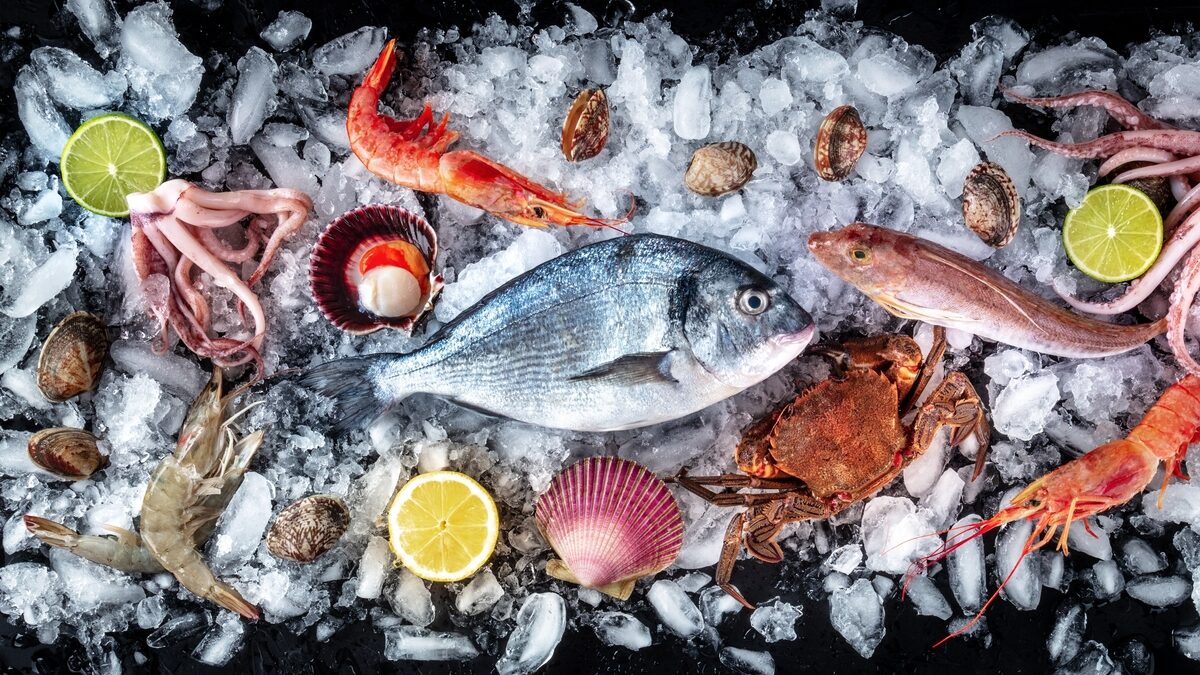
At the end of the year, oysters, mussels, scallops and other shrimp are in the spotlight. But now that the bargain hunting has started, is it a good idea to buy (and freeze) them in advance to take advantage of advantageous prices? A dietitian-nutritionist gives us her point of view.
Seafood must be frozen “within three hours of purchase”
Scallops, oysters, langoustines, crabs, shrimps… The end of year celebrations are often synonymous with seafood. The good news? These shellfish and crustaceans have their place on our plate, since they are both delicious and rich in nutrients.
“Rich in high quality proteins,
iodinein selenium and omega-3 fatty acids, they contribute to the proper functioning of the immune system, the brain and the heart while remaining low in calories. Shrimp, langoustines, crabs and shellfish are also a good source of B group vitamins, essential for energy metabolism, which makes them interesting foods in festive meals.
admits Julie Boët.
However, as Christmas approaches, many French people take advantage of promotions to buy these products in advance and freeze them… A strategy which can be low risk, provided you respect a few key rules.
“Seafood is extremely perishable. When it is purchased freshthey must be put in the freezer quickly, ideally within three hours, after having been rinsed, dried and packaged in airtight packaging to limit oxidation and the formation of ice crystals. explains the dietician.
As for already cooked products, such as shrimp, they tolerate freezing better than raw products with more fragile tissues. Indeed, certain seafood such as scallops or raw langoustines can lose texture (the fibers break when the water freezes), giving a more watery and rubbery appearance after defrosting.
“Conversely, cooked crabs, shrimp or mussels generally tolerate freezing very well if freezing is rapid and deep,” specifies the nutritionist.
Seafood: other precautions allow it to be consumed without risk
Another essential recommendation, if you have just visited the fishmonger: never refreeze a thawed product, because the microbial population increases with each cycle.
“Ideally, defrost them in the refrigerator for several hours. However, never at room temperature!” recalls Julie Boët.
For cooked products, it is also possible to use gentle cooking (steaming for example) or broth in order to limit the loss of water and flavor.
Also keep in mind that freezing does not destroy all bacteria: any previously contaminated product will still be contaminated in your freezer… And if the cold chain is broken (for example you take frozen seafood to a friend’s house), the health risk increases, even if the product was put back in the freezer afterwards.
Use-by date: deadlines to respect
Finally, the seafood deadline should not be forgotten.
“To fully enjoy their flavor, consume frozen shrimp and crabs within three months, and shellfish within one to two months. Finally, remember to label the packages to avoid forgetting and consume the products on time,” concludes the dietician.
Enough to have a great holiday, safe from any microbial risk!