
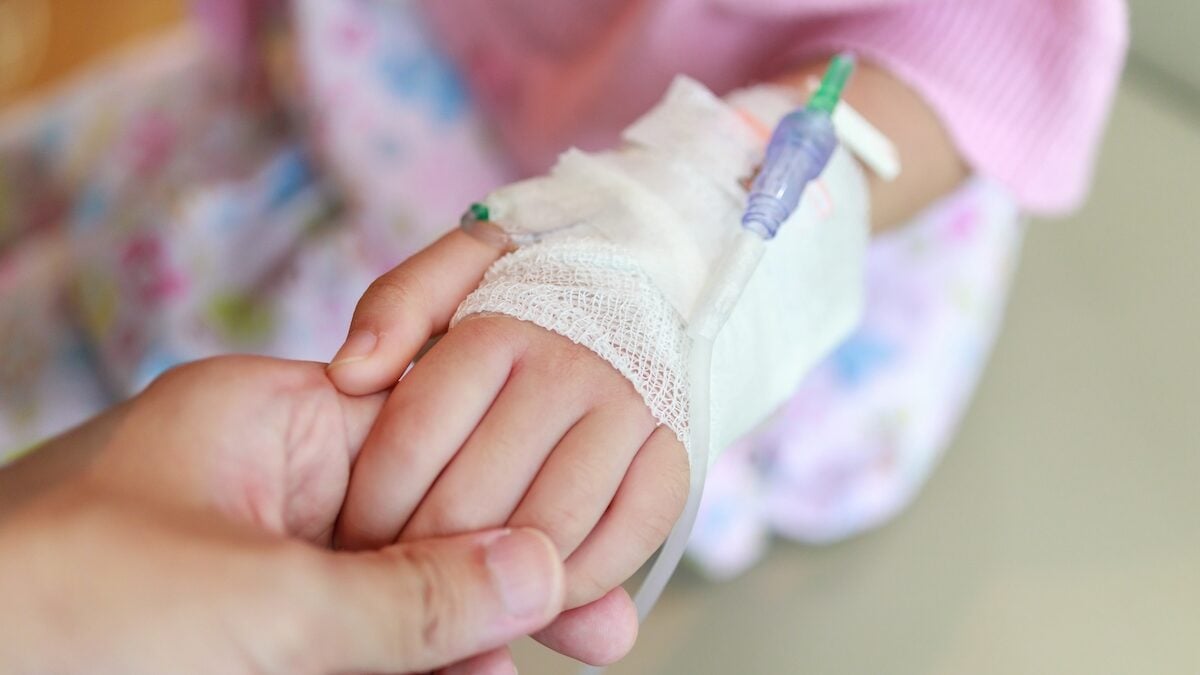
A toxicovigilance study reveals a worrying increase in pediatric rodenticide poisonings in French Guiana. The cause: illegal products, sometimes highly toxic, easily accessible in homes.
An alarming increase in cases among toddlers
Between 2010 and 2024, 208 cases of exposure of children to rodenticides were recorded in French Guiana. Long stable, the phenomenon has experienced a marked acceleration since 2023, with a peak of 36 cases in 2024. In more than 97% of situations, exposure occurs at home, and mainly concerns children under two years old.
These poisonings are most often accidental: young children ingest bait mixed with everyday foods such as rice or bread. Their natural curiosity and inability to perceive danger make them particularly vulnerable. Although the majority of cases remain mild, some present serious symptoms: convulsions, neurological disorders, heart or kidney damage. One death was even recorded.
Illegal and dangerous products in circulation
At the heart of the problem is the circulation of non-compliant rodenticides, often imported illegally from neighboring Suriname. More than half of the products involved in poisoning are not authorized in France. Many come from China and are sold without understandable labeling, sometimes only in Chinese.
These products escape strict European regulations, which notably limit the concentration and form of toxic substances. In Guyana, rodenticides are frequently used in liquid form, mixed with food and placed on the ground, without safety devices. This practice greatly increases the risk of ingestion by children.
The study also highlights that liquid forms are associated with more serious poisonings, and that their use has increased significantly in recent years.
Neurotoxic substances sometimes hidden
Even more worrying, certain products presented as relatively harmless actually contain substances banned in Europe, such as sodium fluoroacetate, a powerful neurotoxicant. This falsification complicates medical treatment, as the symptoms observed do not always correspond to the composition indicated.
One product in particular, called “Hai Zhen Wei”, is increasingly implicated in cases of poisoning. Known for its effectiveness and low cost, it could contain this highly toxic substance. Since 2021, its use has continued to increase.
Prevent and control: a health emergency
Faced with this situation, the health authorities launched a targeted prevention campaign at the end of 2024. Three areas are priorities: strengthening controls on the importation and distribution of these products, raising public awareness of the risks, and improving data collection to better monitor the phenomenon.
In an area where living conditions favor the proliferation of rodents, the use of rodenticides is common. But without strict supervision and without appropriate information, these solutions themselves become a threat to public health, particularly that of the youngest.
Prevention also involves simple actions: storing products out of reach, avoiding mixing food and favoring secure devices. These are all essential measures to protect a particularly exposed population.