
Water does not “stale” in the strict sense, but it can become a breeding ground for microbes depending on how it is stored. While most of us take no risk in finishing a drink from the day before, certain hygiene rules help avoid unnecessary digestive inconveniences.
Tap or bottle: the conservation match
Contrary to popular belief, tap water holds up very well. Being rigorously controlled and low in nutrients, it offers little support for bacteria.
“Tap water remains drinkable for several days if it is stored properly, ideally in a covered glass and in a cool place.
specifies Dr. Kierzek, emergency physician and medical director of True Medical.
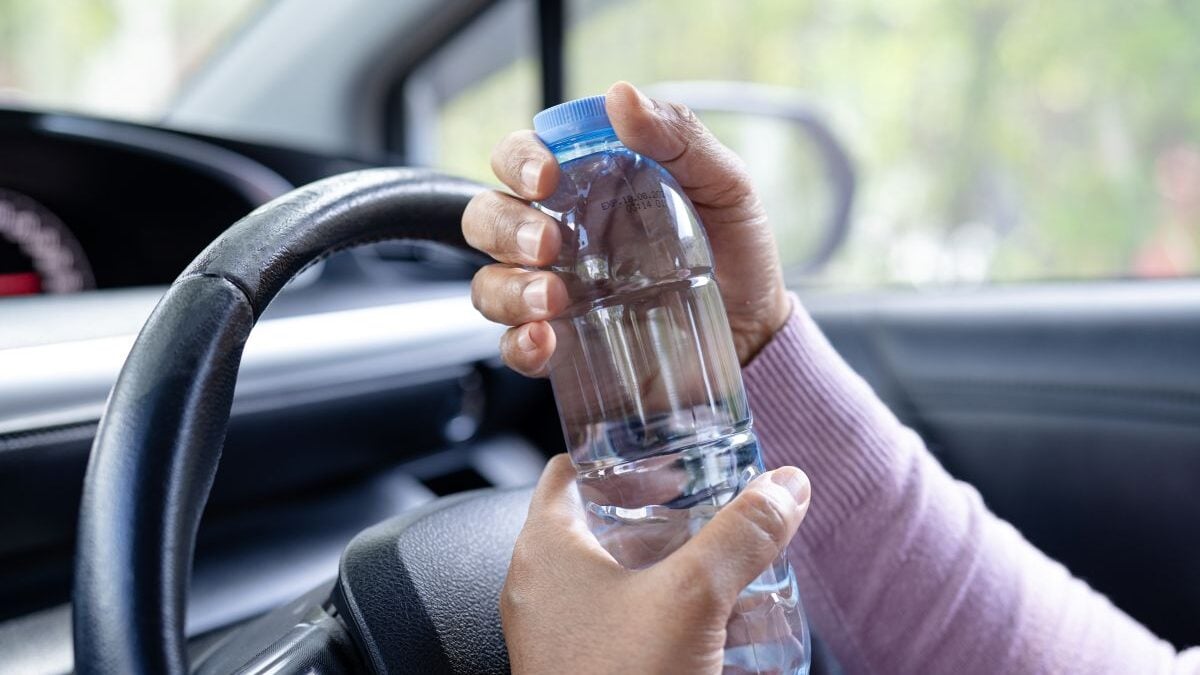
The case of the plastic bottle is more delicate. Once opened, it becomes vulnerable. If exposed to heat or sunlight, plastic can release flavor-altering compounds. Additionally, if you drank directly from the bottle, you introduced your own oral bacteria into the bottle, accelerating contamination.
The 12-hour threshold: a golden rule?
Why do we often hear that we should throw away our water after half a day? “The rule of 12 hours maximum before throwing away is a practical precaution to limit bacterial proliferation, especially if the container has been in contact with the mouth“, adds the emergency doctor.
After this time, the risk of staphylococci or E. coli type bacteria appearing increases. For a healthy adult, the consequences are generally limited to stomach aches, nausea or mild diarrhea.
However, vigilance must be absolute for fragile populations (infants, immunocompromised people), who must consume fresh water each time they take it.
The hygiene of the container takes precedence over the contents
It is not so much the origin of the water that matters, but the cleanliness of the support. A glass of water left in the open air collects ambient dust and micro-organisms. For optimal conservation, choose glass (inert material) rather than plastic, and place your carafe in the refrigerator.
Under these conditions (clean glass, covered and cool), tap water can be kept for up to 2 or 3 days without major risk. For a bottle opened and left at room temperature, Dr. Kierzek recommends not exceeding 24 hours.
Good daily reflexes
To reconcile ecology and health, using a carafe or filtered tap water remains the best daily option. It is economical and safe, provided you change the water regularly.
In summary, if you are thirsty, “drink cold rather than nothing”, but do not leave your opened bottles lying around in hot environments. A simple change in habit – like pouring water into a glass rather than drinking from the neck – is often enough to prolong the healthiness of your drink.