
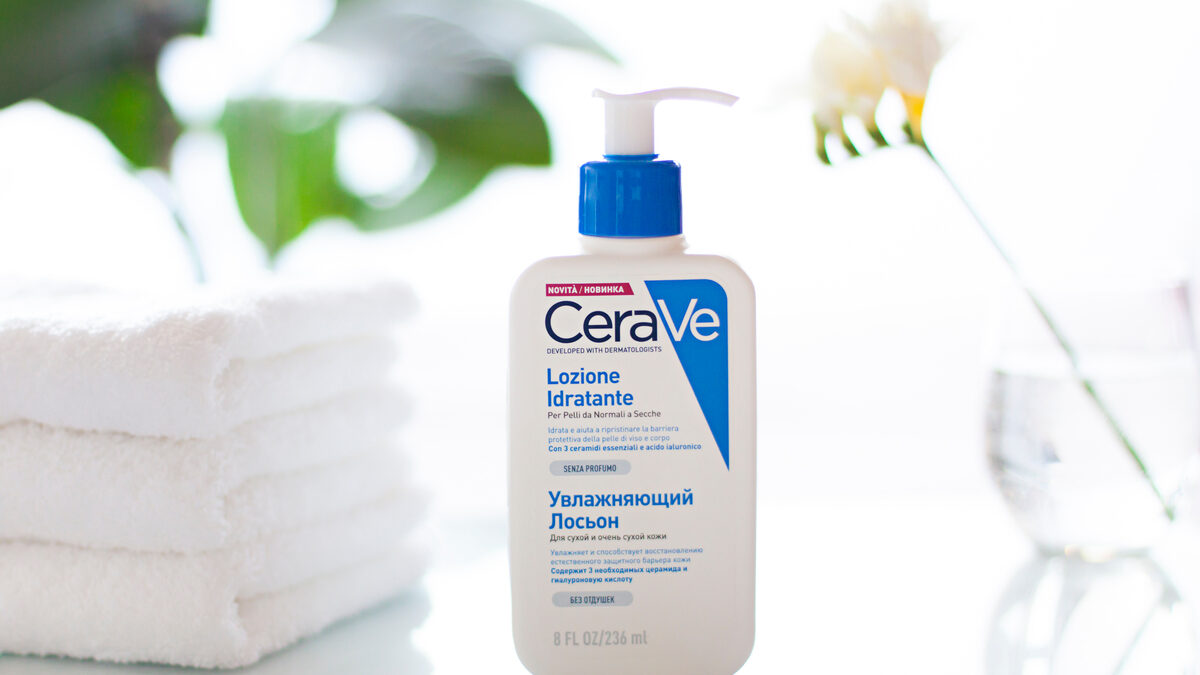
In recent weeks, it has been difficult to miss the controversy surrounding CeraVe. The American brand is accused of marketing dangerous products, some containing “benzoyl peroxide”, an anti-acne active ingredient considered carcinogenic. Result: calls for boycott are increasing and sowing doubt among consumers. But should we really be worried about this ingredient? To take stock, we interviewed a pharmacist.
Benzene, a substance classified as carcinogenic to humans
For several months, benzoyl peroxide, one of the most used active ingredients against acne, has been the subject of many questions. It is accused in particular of generating benzene, a substance classified as carcinogenic to humans.
Several analyzes have in fact already revealed that this active ingredient could, when exposed to heat or stored in poor conditions, degrade and form benzene. “This substance is indeed recognized as a carcinogen upon significant and repeated exposure,” confirms Dr Aurélien Tesson.
“However, this is not a problem specific to CeraVe. The alerts concern benzoyl peroxide itself, an active ingredient present in many anti-acne products from different brands,” specifies the pharmacist.
However, there is no need to worry: the CeraVe products found on our shelves do not have the same formulation as those sold in the United States.
Second, even products that contain it do not all have problematic levels of benzene. “Only certain references have been the subject of recalls or a re-evaluation of their formulation”, reveals Dr Aurélien Tesson. Moreover, the problem seems more related “to the stability of certain products than to benzoyl peroxide itself”, he further specifies.

What are the specific risks of using a product containing benzoyl peroxide?
In reality, not much, the pharmacist tells us.
“To date, no health signal shows an increased risk of cancer among users of treatments based on benzoyl peroxide. In addition, the absorption of this active ingredient through the skin remains limited,” he emphasizes.
However, the subject deserves further investigation in order to guarantee the quality and stability of the products marketed.
Should you stop your treatment?
Not necessarily. “Benzoyl peroxide remains a gold standard treatment for acne, used for over 50 years“, insists the expert.
In your bathroom, a few simple precautions must be applied:
- Respect the conservation conditions;
- Avoid prolonged exposure to heat;
- Check the expiration date;
- Replace old or poorly preserved products.
Of course, if in doubt about a product, do not hesitate to seek advice from your pharmacist or dermatologist.
The advice of Dr Aurélien Tesson, doctor of pharmacy
“The recent alerts primarily concern certain formulations and their storage conditions. At this stage, there is no justification for systematically abandoning treatments based on benzoyl peroxide. This case above all recalls the importance of the stability of health products and respecting their storage conditions”, he concludes.