
Cervical cancer remains a major public health problem. In France, it affects more than 3,100 women each year and causes around 800 deaths. The median age at diagnosis is 55 years, and the five-year survival rate tops out at 63%.
On the occasion of the 20th European week dedicated to the prevention and screening of cervical cancer, which takes place from January 26 to 31, the National Cancer Institute highlights the crucial importance of this screening. It encourages women to schedule a consultation with their healthcare professional via the website jefaismondepistage.fr.
In the facts: cancer is still too common
However, behind these frightening figures, the reality is much simpler and happier: this cancer is almost entirely preventable. Carried out regularly between the ages of 25 and 65, screening makes it possible to detect precancerous lesions before they develop.
Each year, nearly 32,000 of these lesions are identified through screening examinations.
On the occasion of European Prevention Week, the National Cancer Institute recalls a key figure: 9 out of 10 cervical cancers could be avoided thanks to regular monitoring, especially when associated with vaccination against human papillomavirus (HPV). Is this your case?
Why screening is so important
The institute reminds us today: cervical cancer develops slowly, often more than ten years after an HPV infection. Screening is therefore not only used to find cancer, but above all to prevent it from appearing. the benefits are no longer in doubt. When an anomaly is detected as early as possible:
- The treatments are lighter;
- The after-effects are limited;
- Fertility can often be preserved;
- And the chances of recovery are significantly better, which is the biggest advantage.
Conversely, a late diagnosis exposes you to heavier treatments and a less favorable prognosis.
Why don’t so many women do it?
However, faced with this evidence, not all women have the reflex to make an appointment. Today, 40% of the women concerned do not carry out screening within the recommended time frame. The reasons are multiple: difficulty finding a niche, feeling of no longer being concerned after 50, lack of sexual relations, lack of symptoms… or quite simply embarrassment. The examination position, partial nudity or the relationship with the caregiver remain significant obstacles. But alternatives exist: side position, partial undressing, prior dialogue with the professional.
How does the screening take place, concretely?
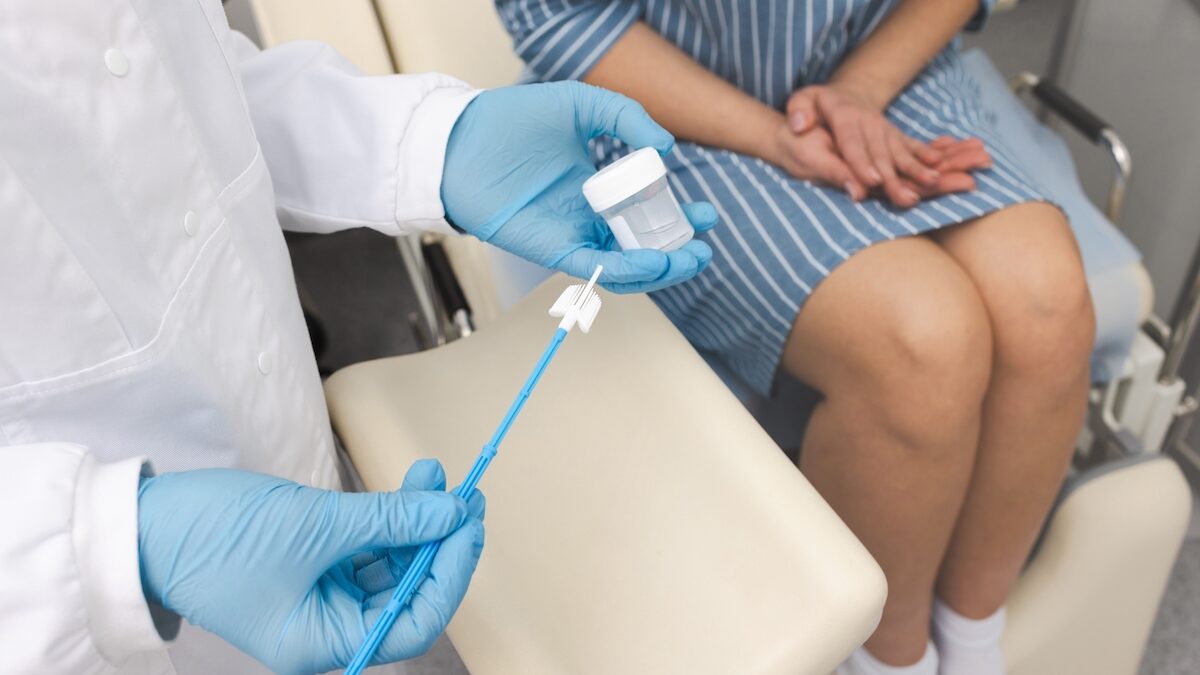
Screening is quick and simple. It consists of a sample from the cervix.
- Between 25 and 29 years old: analysis of cells to look for abnormalities;
- Between 30 and 65 years old: HPV test to detect the presence of the virus.
The recommended frequency is then every 3 years between 25 and 29 years old (after two normal tests one year apart), then every 5 years from 30 to 65 years old.
As Dr. Nasrine Callet of the Institut Curie recalled in a previous article, the frequency can also adapt to the profile: closer together in young, sexually active women, more spaced out when the exams are normal.
The examination can be carried out by a gynecologist, a general practitioner, a midwife, in a health center, a hospital or, on prescription, in certain laboratories.
What if we “failed” our screening?
It’s not too late! Since January 2024, women who have not completed their screening on time have received an invitation from Health Insurance. With this letter, the analysis is covered 100%, without any advance costs.
This measure mainly targets women furthest from the healthcare system. Even after several years without follow-up, resuming screening remains beneficial.
Vaccination, a complementary weapon
Screening is not everything. Prevention also involves vaccination against HPV, responsible for almost all cervical cancers.
Since 2021, girls and boys can be vaccinated from the age of 11. Two or three doses are enough to effectively protect against the most dangerous types of HPV. Even if vaccinated, a woman must continue to be screened, but the combination of the two strategies opens the way to a virtual eradication of this cancer.
A meeting that can change everything
Embarrassing, quick, sometimes dreaded… cervical cancer screening nevertheless remains one of the most effective medical procedures for saving lives. After the discomfort or supposed fear, a simple appointment of a few minutes can avoid years of treatments and, sometimes, make all the difference.
Screening in practice
- WHO ? Cervical cancer screening is recommended for women aged 25 to 65, whether or not they have received the human papillomavirus (HPV) vaccine.
- HOW ? This is a simple sample taken from the cervix, the analysis of which varies depending on age: between 25 and 29 years old, we look for abnormal cells, and between 30 and 65 years old, we detect the presence of the HPV virus.
- WHEN ? To ensure its effectiveness, screening must be carried out regularly at the recommended intervals: every 3 years for women aged 25 to 29, after two normal tests carried out one year apart, then every 5 years for those aged 30 to 65.