
A single drink added to another, night after night, could weigh on your joints more than you thought. By following more than 1.2 million adults for nearly ten years, South Korean researchers observed that alcohol consumption increases the risk of osteoarthritis
progressively, with up to 18.6% additional risk in the heaviest drinkers compared to abstainers.
Published in September 2026 in the journal Osteoarthritis and Cartilagethe study led by Seoyeon Cho at Ewha Womans University College of Medicine analyzed data from the
National Health Insurance Service (NHIS) from South Korea for 1,233,179 people aged 40 and older without osteoarthritis at baseline, of whom 571,077 developed the disease over 9.9 years of follow-up. Researchers show that this link with alcohol persists even in people of normal weight or with normal liver function, and that it appears in small quantities in women. Enough to question the famous idea of the “harmless little glass”.
Alcohol and osteoarthritis: the results of the study
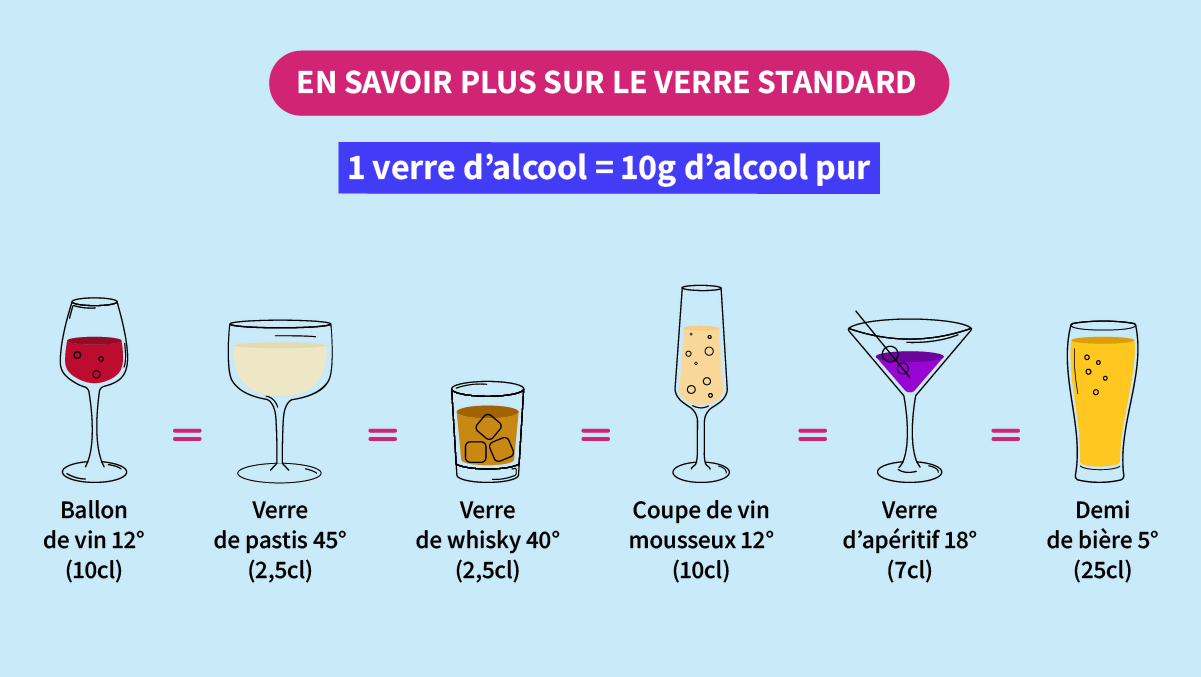
Participants indicated the weekly frequency and quantity of alcohol consumed, allowing estimation of a daily dose of ethanol in grams. The researchers classified drinkers as “light” at less than 10 g/day, “moderate” between 10 and less than 30 g/day in men (10 to less than 20 g/day in women), and “heavy” from 30 g/day for men and 20 g/day for women. It is estimated that a standard glass in France represents 10 g of pure ethanol.
© Practical Health Paris
Compared to non-drinkers, the risk of osteoarthritis increased with each level: 3.7% higher in light drinkers, 8.1% in moderate drinkers and 18.6% in heavy drinkers.
The same pattern appeared in people of normal weight and in the subgroup with normal liver function. The authors summarize: “Alcohol consumption was associated with an increase in incident osteoarthritis in a dose-dependent manner that persisted after liver and weight restrictions, suggesting that this association is likely not entirely explained by liver dysfunction or obesity. These findings identify alcohol consumption as a factor associated with incident OA, warranting further research as a potentially modifiable contributor to OA risk.“.
An increased risk of osteoarthritis that goes beyond weight and the liver
The researchers repeated their analyzes in “healthier” subgroups: 858,703 people with normal liver function and 820,281 with normal weight. The excess risk linked to alcohol persisted, including for heavy drinkers, which suggests that the potential effect of alcohol on osteoarthritis does not actually only come through obesity or liver disease.
What to do if you drink and fear osteoarthritis?
Although the observational data cannot prove a cause and effect link, the consistency of the results supports the idea of a true association. Health professionals may consider alcohol consumption during joint health consultations, particularly in women, who appear more sensitive to even small amounts of alcohol.