
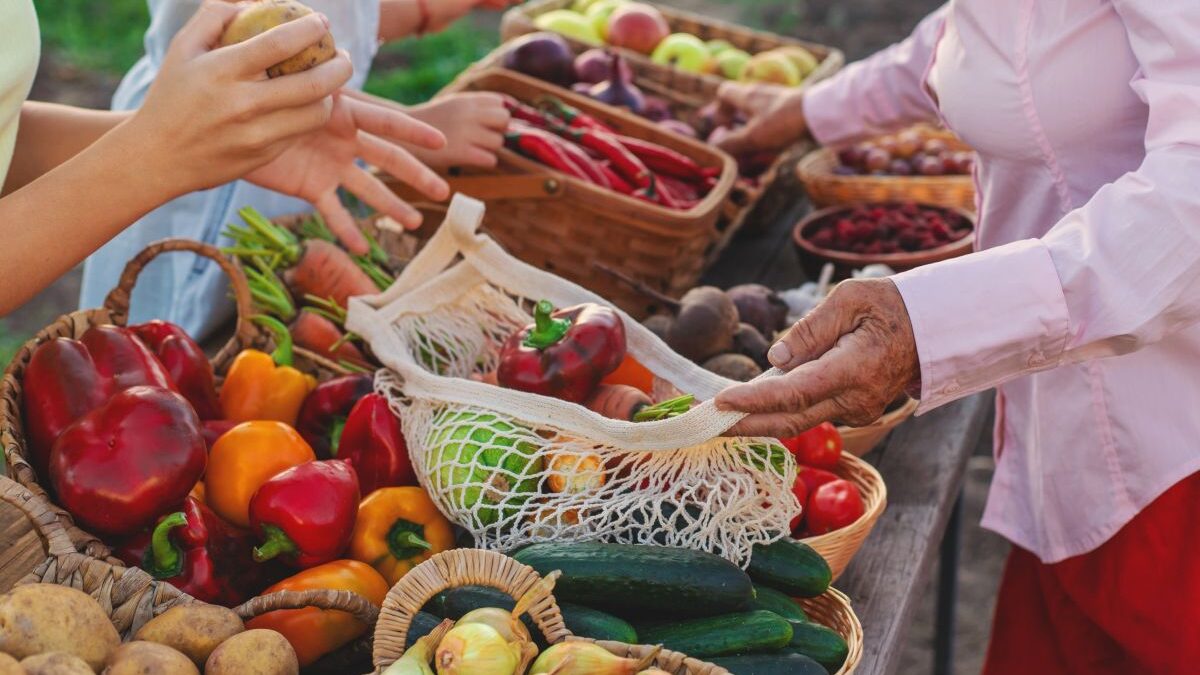
Each new season brings its share of colors to the plates: the juicy tomatoes of summer give way to the comforting squash of fall, then the citrus fruits of winter.
If the reflex to consume local and seasonal is becoming more and more anchored in our consumption habits, a question persists: does this choice have a direct impact on our vitality, or is it above all a civic approach to limit our carbon footprint? Focus on a plate that is good for the body as well as the Earth.
Nutrients in top form
The first argument in favor of seasonality is undoubtedly nutritional. A plant that matures in the sun and respects its natural growth cycle develops an optimal richness in active compounds.
As dietician Pauline Pied reminds us: “Yes, seasonal vegetables and fruits are better for your health because they are rich in vitamins and minerals“. Things are done well: we have products full of water and beta-carotene in summer to protect us from the sun, and dense root vegetables in winter to warm us up.
The trap of prolonged storage in stores
However, the vitamin promise of seasonal products can sometimes be compromised by the reality of mass distribution. The harvest is not everything; the time spent in transport and on the stalls plays a major role.
The expert thus provides a significant nuance. “But be careful. Vitamin C, for example, is actually very sensitive to light and heat. So also be careful to buy the freshest vegetables possible.“. To maximize the benefits, temporal and geographic proximity remains key.
An undeniable boost for the environment
If our body benefits from this freshness, our planet is the second big winner in this equation. Consuming what the earth produces spontaneously allows us to avoid major ecological aberrations, such as importation by plane or cultivation under artificial shelters.
“Eating seasonally encourages short supply chains and we can also eat locally, there is an obvious benefit for the planet“, underlines Pauline Pied. A doubly virtuous gesture, which reduces the overall carbon footprint of our food.
Winter weariness: the frozen food tip
But what to do when winter drags on and the prospect of cooking yet another cabbage or leek discourages you? The risk is then to fall for tasteless tomatoes imported from the other side of the world. To avoid monotony while remaining eco-responsible, there is a very simple alternative.
“Favoring seasonal vegetables, preferably local if possible, is a good thing. But it is essential to feel free from guilt if you sometimes buy a few vegetables out of season. The trick is to buy them frozen. Frozen zucchini in winter, for example, because we will benefit from their vitamins and minerals, since they will have been frozen the previous summer.concludes the dietitian.