
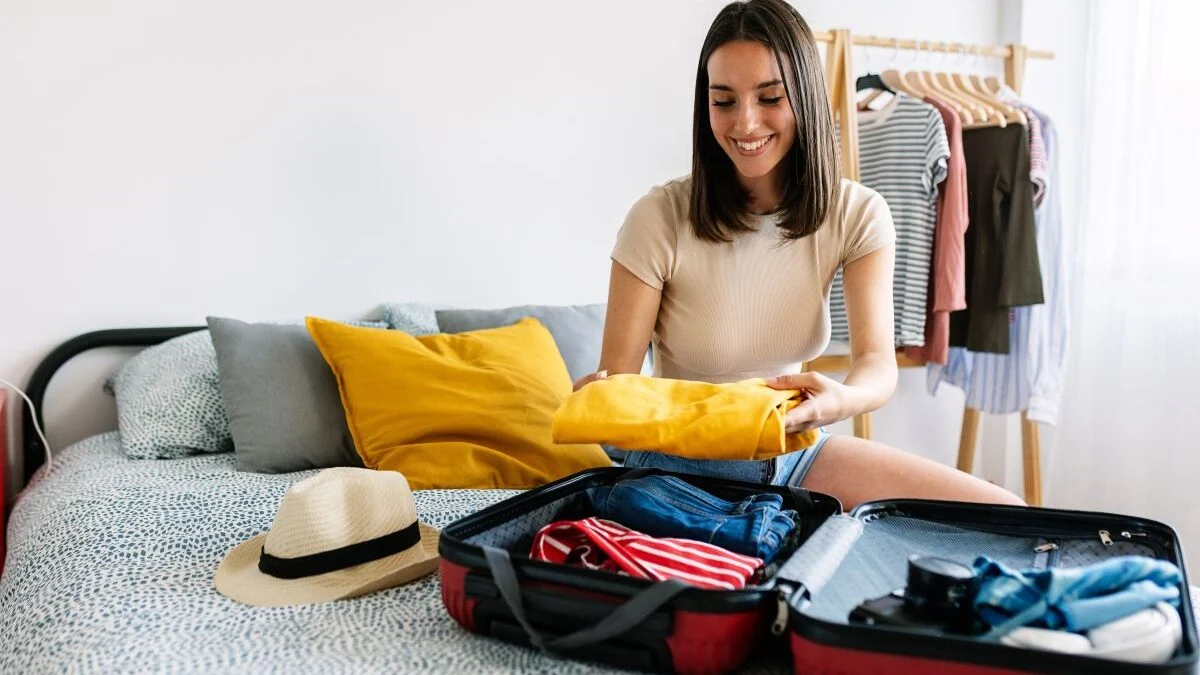
The simple act of thinking about our future vacation activates unsuspected mechanisms in us. Beyond the physical rest they provide, periods of break and travel act as real therapies for our mind.
From the preparation phase to the return home, science has looked into this phenomenon to understand how vacations transform our emotional well-being and extend our life expectancy.
Anticipation of departure: the real key to psychological happiness
A study of 1,530 Dutch adults found that people who took vacations were, on average, happier than those who didn’t. This is observed during the holidays, but also before departure. According to researchers, the anticipation of vacations brings at least as much happiness as the vacations themselves. On the other hand, upon returning, the difference disappears: everything falls back. The researchers conclude that it is therefore better to take several short vacations rather than long vacations in order to increase the anticipation period.
When planning a trip or a project in general, it is very beneficial for mental and emotional health.
“It allows you to project yourself into the future, to look forward to it, and it feels good. No need to wait to be there: the fact of planning, projecting, organizing and preparing for the trip brings a lot of happiness and allows you to secrete serotonin, which brings many benefits for emotional and mental health”confirms Johanna Rozenblum, clinical psychologist.
“Having a vacation plan allows you to get out of your routine and changes everyday life. Your brain is awake. It’s as if it were looking for new adventures, new discoveries, unlike the planned routine that we face on a daily basis. It’s a form of stimulation”, she adds.
When time accelerates: the paradox of temporal perception
Vacations also always seem too short. This feeling has been demonstrated by science and is also linked to anticipation.
Researchers at Ohio University, by analyzing the feelings of hundreds of people, demonstrated that anticipating a vacation period automatically gives the impression that it will take place in a very, very long time. So long that our brains then perceive its beginning and end as occurring at roughly the same time, as a single point in time.
Result: when they finally arrive, the vacation sometimes gives the impression of being over before it has even started. The worst thing is that this phenomenon does not work in the case of unpleasant events, such as a weekend spent working, which then seems endless.
Fortunately, in the long term, vacations have a lasting positive effect. They would even help to increase life expectancy. This was shown by 40 years of studies by the European Society of Cardiology involving 1,222 Finnish business executives. Taking more than three weeks of vacation per year would reduce mortality by 37%. A longer life that you can enjoy more: it’s a win-win.
Eliminate stress to free your creativity and your mind
“When we travel, we leave behind the worries and sources of everyday stress which tarnish our emotional health and our mental balance.recalls Johanna Rozenblum.
During the holidays, we leave aside the stress that eats away at us on a daily basis. Traveling abroad allows you to learn new things. The numerous discoveries and immersion in different cultures stimulate our cognitive flexibility.
“All this allows us to engage our minds, our curiosity, and also promotes openness to others, as well as sometimes questioning”estimates our expert. New cultures, new landscapes, new smells, new art… Travel allows you to develop your creativity and reveal new desires.
“It could be the way he listens to music, the way he cooks, the way he raises his children… It’s an open-mindedness that feels good and allows you to question yourself”adds Johanna Rozenblum.
Take some distance to strengthen your connections and routines
By disconnecting us from our usual landmarks, travel acts like a therapeutic mirror. “By leaving your daily life through travel, you question your beliefs and certain certainties by seeing them from a distance, which allows you to criticize them.“, explains the clinical psychologist.
“We thus see things in a more unexpected way and, in particular, what stands in the way of our emotional balance. It’s a way of taking stock of ourselves, outside of the injunctions of everyday life.”
When you travel, you have more time for yourself, but also for your family or loved ones.
“Freed from everyday obligations, we can prioritize our relationship, our loved ones, our children and strengthen the bonds that are undermined on a daily basis“, advises our specialist.
“Indeed, when we travel, we are far away, cut off from what we know. We can be destabilized, with fewer habits, so we rely more on others. We also discover how others live. Sometimes, this puts our daily lives into perspective, because there are places where things are less easy.”
Taking a vacation and investing in its preparation is far from futile: it is an essential investment for our overall balance and our longevity. “When we travel, we create new reflexes, we learn from the country we are in and we can establish new routines, which can improve our daily happiness“, concludes Johanna Rozenblum. Don’t wait any longer to plan your next getaway: your health will thank you.