
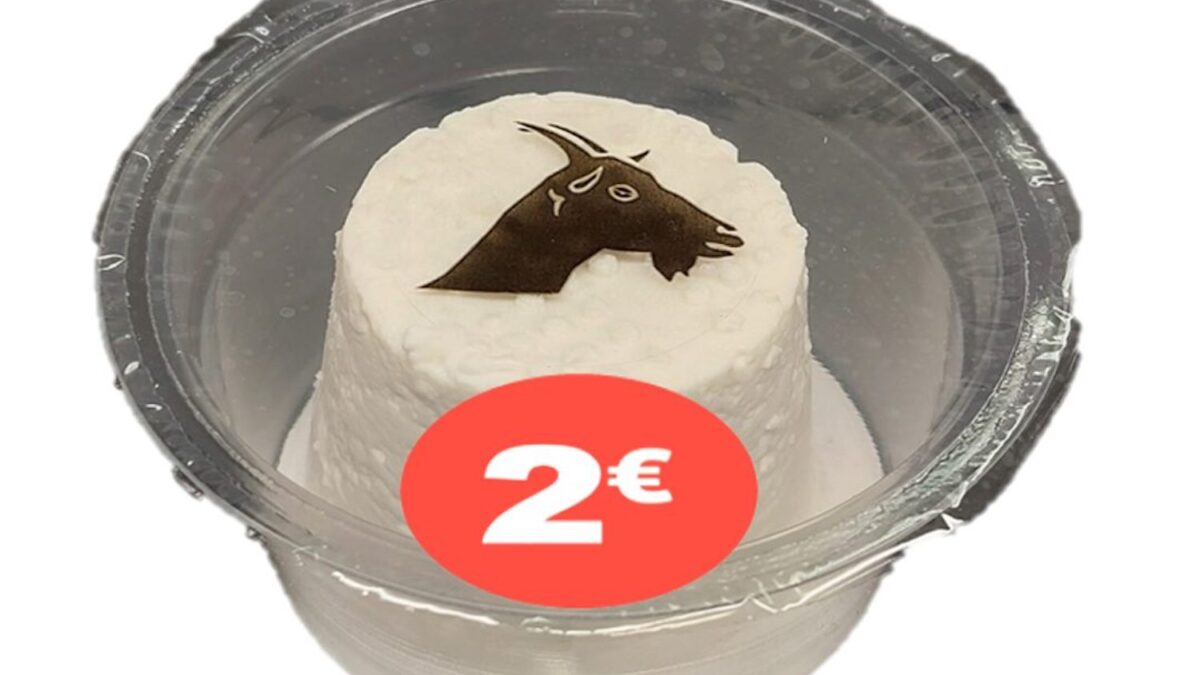
A fresh goat’s cheese recently sold in plastic trays in several French regions is the subject of a health recall for risk of contamination by
Escherichia coli STEC. The alert was published on July 29, 2026 on the official RappelConso platform, at the initiative of CHEVENET SARL, which launched a voluntary recall.
The product in question is a unbranded fresh goat cheeseidentified under the name “FRESH GOAT”. It comes in a plastic tray with a label decorated with a black goat’s head, without a brand logo. To find out if your fridge is affected, you need to check a few very specific elements: barcode, batch, minimum durability date and sales regions.
How to Identify Recalled Unbranded Fresh Goat Cheese
The recalled cheese belongs to the “Milk and Dairy Products” category. It bears the health mark
FR-71-235-001-UE and was marketed in the fresh section. The sales period indicated by RappelConso extends from July 10, 2026 to July 16, 2026, with a minimum durability date set at August 17, 2026.
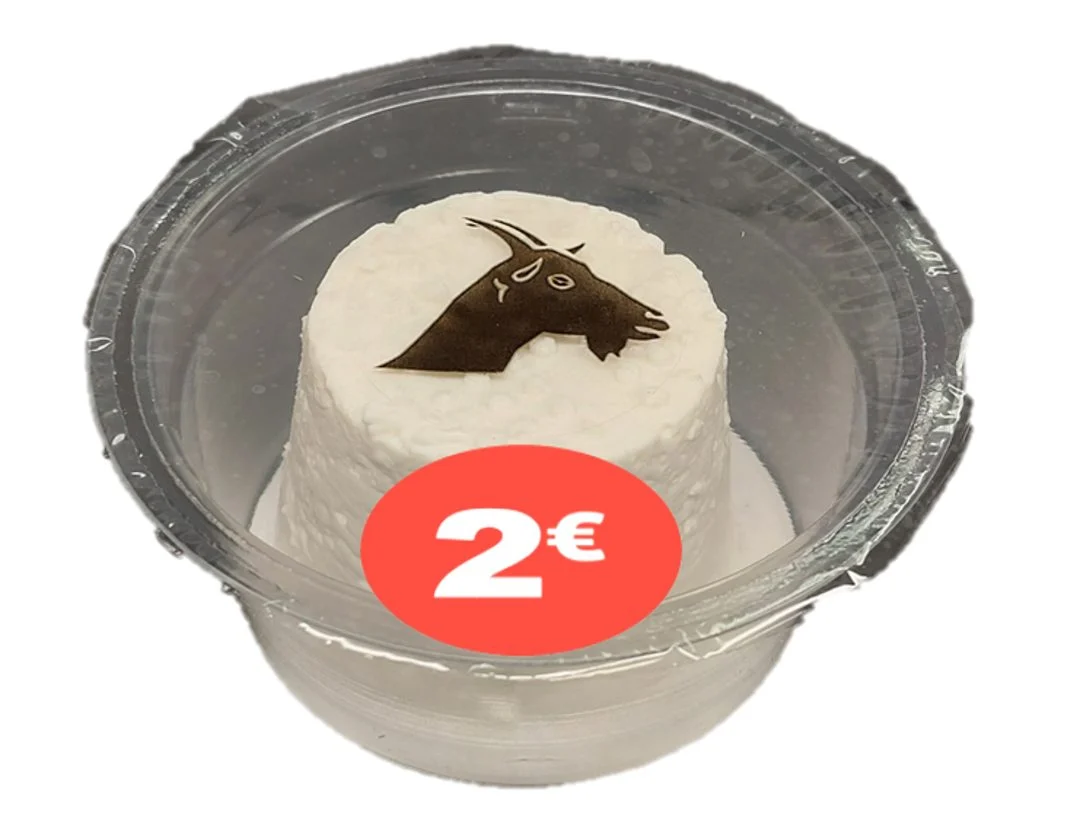 © rappel.conso.gouv.fr
The main reference remains the barcode: the GTIN of the product is 3503965321007associated with lot 26189. These notices appear on the packaging, near the barcode and the date. If any of these items do not match, your cheese does not belong to the recalled lot. Otherwise, it should no longer be consumed.
Recall of fresh goat cheese: sales areas and instructions
According to RappelConso, this unbranded fresh goat cheese was distributed in six regions: Auvergne-Rhône-Alpes, Bourgogne-Franche-Comté, Centre-Val de Loire, Grand-Est, Occitanie and Provence-Alpes-Côte d’Azur. Several brands are affected, the detailed list being available as an attachment to the official recall sheet.
The instructions are clear: no longer consumeno longer use the product and destroy it. Compensation in the form of an exchange is planned. For any questions, CHEVENET SARL provides the following number: 03 85 34 67 11. It is recommended to keep, if possible, the packaging to facilitate procedures at the point of sale.
E. coli STEC: what symptoms to watch for after this goat cheese
According to RappelConso, bacteria Toxigenic Escherichia coli shiga can cause, in the week following consumption of a contaminated product, diarrhea, sometimes bloody, abdominal pain and vomiting, with or without fever. These disorders can progress to severe renal complications in 5 to 8% of cases, especially in children. People who have eaten this cheese and present these symptoms should consult their doctor immediately, noting the consumption, place and date of purchase. If there are no symptoms within 15 days, it is not considered necessary to consult. The authorities also remind us, in general, to favor pasteurized milk cheeses for children, the elderly, pregnant women and vulnerable people.