
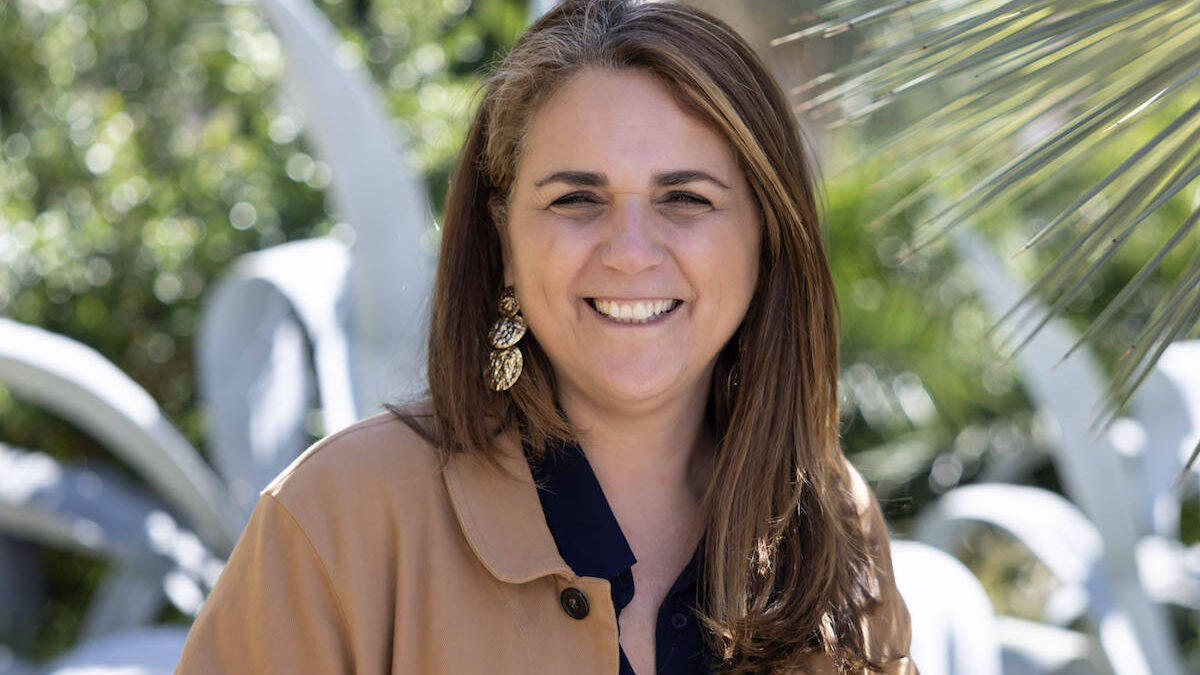
Rare and deeply moving moment of television. Live from
Bounty of Truths on TBT9, Valérie Bénaïm lifted the veil on Wednesday on an intimate fight. The one she has been carrying out for over a year against a degenerative ear disease, otosclerosis. A serious, progressive pathology, which could have made her deaf.
A moving confidence live
With modesty and lucidity, the columnist delivered a strong testimony, bringing hope.
“I also have this neurodegenerative ear disease that I was diagnosed with a little over a year ago now.”
Diagnosed after a battery of medical examinations, this pathology could have had irreversible consequences. The columnist is now measuring her luck. “I managed to have surgery because you do a battery of tests and sometimes you can have surgery, sometimes you can’t.”
Successfully operated on, she reported a spectacular improvement in her hearing:“I have recovered 80% of my hearing.” A huge relief, even if everything is not yet behind her.
After-effects, but intact strength
If the operation bore fruit, Valérie Bénaïm does not hide the post-operative complications that she still has to face.
“I still feel dizzy. Unfortunately, I rejected the implant that was placed in me. This rejection created a sort of cyst, with inflammation for a year in my head. But it’s going very well and now I’m managing.”
she emphasizes.
Far from defining herself by illness, she insists on the essential: the support of those close to her, her presence on set, and the ability to continue to live fully.
Otosclerosis: what is this ear disease?
Everything indicates that the pathology mentioned by Valérie Bénaïm is otosclerosis, a hereditary and progressive disease of the middle and inner ear. It is characterized by abnormal bone remodeling around the stapes, one of the smallest bones in the ear.
“This phenomenon stiffens the stirrup and prevents the proper transmission of sound vibrations, leading to progressive deafness, most often conductive.” explains Dr Gérald Kierzek.
Otosclerosis mainly affects women and generally begins between the ages of 20 and 40.
What are the most common signs?
Symptoms can develop slowly, sometimes insidiously:
- Hypoacusis: progressive loss of hearing, unilateral or bilateral (in 70% of cases);
- Tinnitus: persistent ringing or ringing;
- Paracusia: distorted perception of sounds, feeling of hearing better in noise;
- Dizziness, rarer but possible, especially after an intervention.
“Without treatment, hearing loss can worsen over time“continues our expert.
What treatments are possible?
Affected by otosclerosis, there are several treatments to cope, reduce progression or gain comfort.
Surgery. The main treatment for otosclerosis is surgical. It consists of removing the ankylosed stirrup and replacing it with a prosthesis (often made of Teflon). This intervention allows, in the majority of cases, a significant recovery of hearing, sometimes progressive. Post-operative dizziness can persist for several weeks, and tinnitus progresses variably.
Hearing aids. They help compensate for hearing loss but do not treat the cause. They often constitute a transitional solution or an alternative when surgery is not possible.
As Valérie Bénaïm recalled, not all patients are operable, hence the importance of screening and specialized monitoring.
Other personalities affected by this same illness
Valérie Bénaïm’s testimony is not isolated. Other personalities have also spoken out in recent years to discuss their fight against otosclerosis. In March 2024, Frédéric Lopez revealed that he suffered from this degenerative ear disease, explaining that the surgery had unfortunately not improved his hearing. More recently, Lola, revealed in Love is in the meadowhad also shared her daily life with this pathology, helping to make visible a disease that is still largely unknown to the general public.
A progressive disease, yes, but not inevitable
Even after a successful operation, otosclerosis remains a progressive pathology. The non-operated ear may in turn be affected, and regular medical monitoring is essential.
Aware of this reality, Valérie Bénaïm wanted to send a message of hope to all those concerned: “For anyone suffering from this disease, there are plenty of solutions. There are great teachers who are wonderful. Life is beautiful, and even if you lose your hearing, life is beautiful.”
A luminous testimony, which reminds us that behind the illness, there always remain solutions, support, and above all, life.