
Patrick thought he had caught a bad flu. “Oh, I told myself it would pass.”says this sixty-year-old, finally taken to the emergency room of Delafontaine hospital, in Saint-Denis. A lumbar puncture then revealed an infection with West Nile virus. He will spend a week in intensive care and lose 6 kg.
“I had never heard of it, I even discovered afterwards that I was the first case north of the Loire“, he testifies in Le Parisien.
The mosquito that we don’t suspect
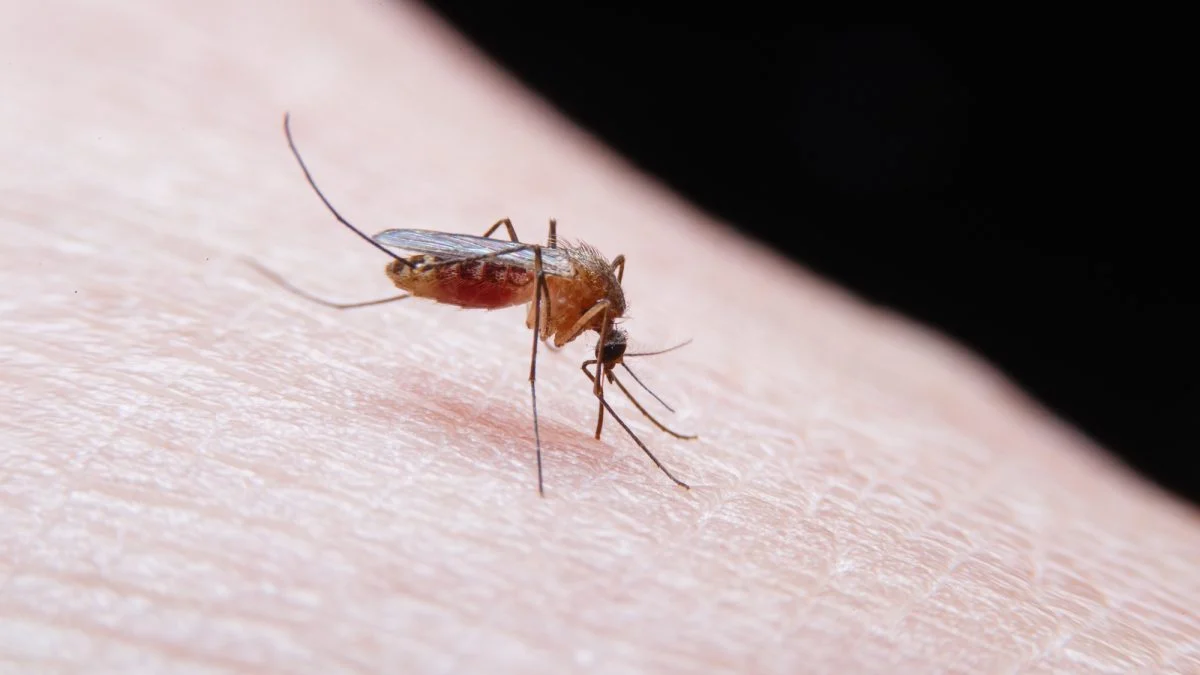
The culprit, however, is not an exotic mosquito. The virus is transmitted by Culexthis very common mosquito in France, present particularly in the south but also in Île-de-France.
Its cycle is particular: the mosquito becomes contaminated by biting infected birds, then can transmit the virus to a horse or a human. An infected person does not directly transmit the virus to those around them.
And the phenomenon is no longer marginal. As of August 30, 2026, Public Health France recorded 39 indigenous cases in four regions: Provence-Alpes-Côte d’Azur, Occitanie, Île-de-France and Auvergne-Rhône-Alpes.
In most cases, we suspect nothing
This is also what makes the virus difficult to spot. Approximately
four out of five infected people show no symptoms. In others, the infection often resembles the flu: fever, headache, fatigue.
But in 1 to 5% of infectionsthe disease can take a much more severe form and affect the nervous system. Meningitis, meningoencephalitis, confusion, impaired consciousness, spinal cord damage or facial paralysis may then occur.
Some people may have after-effects, including memory loss or difficulty concentrating.
Why doctors are now monitoring this virus closely
West Nile virus circulates with mosquitoes
Culexpresent throughout mainland France. Their period of activity mainly extends from May to November, which explains the reinforced surveillance put in place each year.
For virologist Yannick Simonin, the phenomenon deserves all the more attention as current weather conditions are favorable for its circulation. The cases observed in horses also constitute an important signal for specialists.
Another concern: the area where the virus is present is increasing. With climate change, the virus could eventually settle permanently in new areas.
For Patrick, this threat has especially changed the way we view a once harmless insect: “I look at mosquitoes in a different way. Before, it was annoying. Now it’s dangerous, and not just in Africa with malaria!“
Actions to limit bites and slow down the virus
Unlike tiger mosquitoes, Culex bite mainly at sunset and at night. To reduce the risk, it is important to adopt the following actions:
- Wear loose, covering clothing;
- Use a suitable skin repellent in the evening on exposed areas;
- Install mosquito nets or grills on windows;
- Sleep under a mosquito net, impregnated with insecticide if necessary;
- Limit points of stagnant water around your home, such as flower pot saucers or poorly covered tanks.
These simple actions, combined with increased vigilance by health authorities, remain today the best weapon to contain the West Nile virus in Île-de-France.