
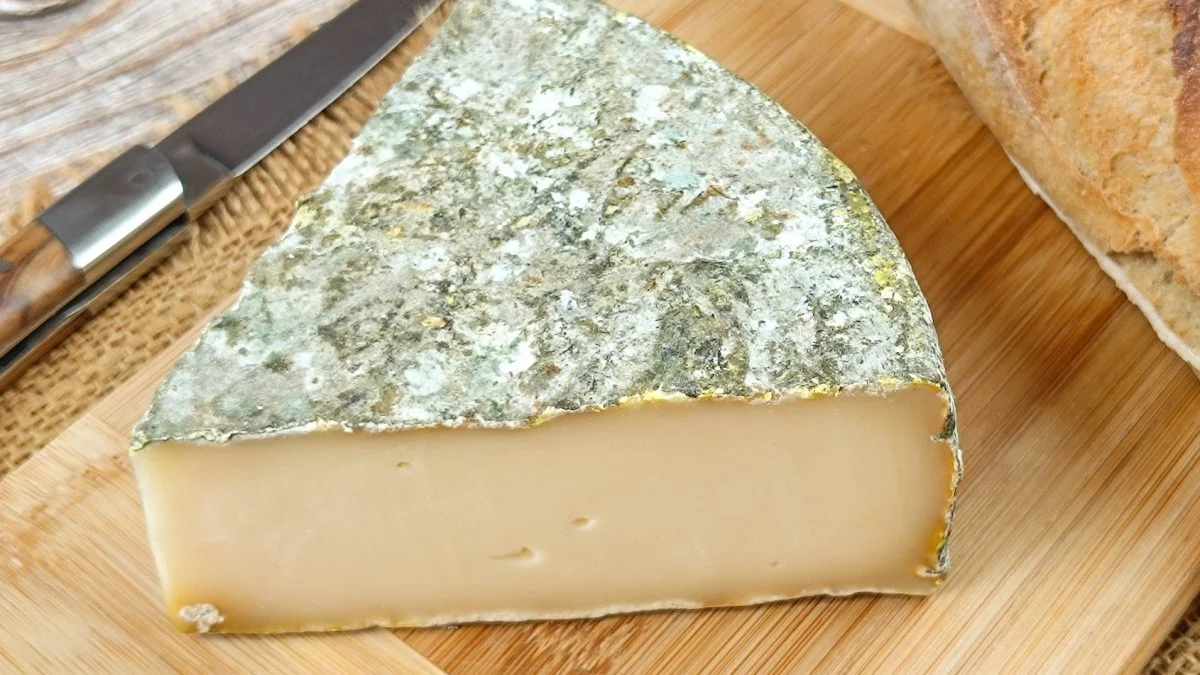
On a cheese platter, as an aperitif or at the end of a meal, the
Saint Nectaire farmer AOP easily finds its place in the fridge. This raw milk cheese is often shared with family or friends.
Two references from Saint Nectaire farmer AOP
are subject to a reminder health due to possible contamination by
Listeria monocytogenes. They were sold in portions in plastic film in many stores in France.
Recall of Saint Nectaire farmer AOP: the batches concerned
Published on 08/06/2026 on the RappelConso website, this recall of Saint Nectaire farmer AOP follows the detection of
Listeria monocytogenes in one portion of each batch. Schoepfer Establishments have launched a voluntary product withdrawal and a consumer recall.
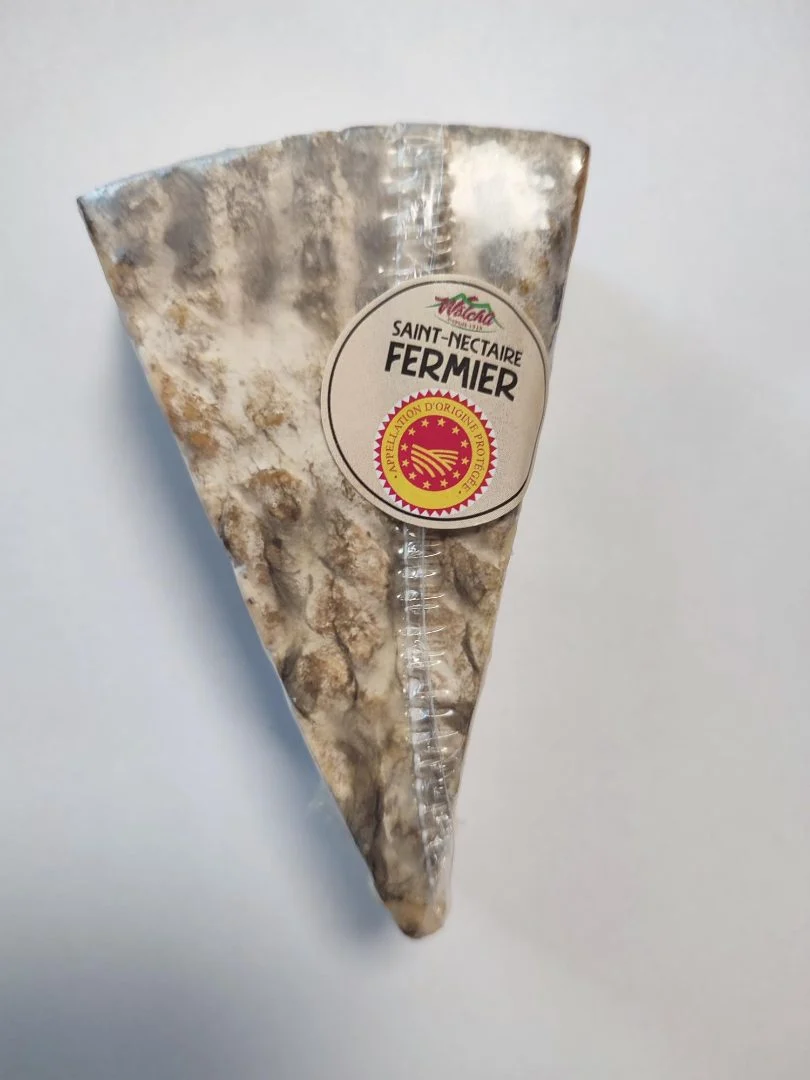
The first product is the ST NECTAIRE FARMER AOP WÄLCHLI 140G PFGTIN 3362670121834, lot 26027452, portions of 140 g in plastic film, with a shelf life between 08/14/2026 and 08/17/2026. The second, sold under the brand St Nectaire Fermier AOPGTIN 3252540933912, lot 26027453, has a shelf life from 08/14/2026 to 08/15/2026.
These raw milk cheeses were marketed between 07/28/2026 and 08/06/2026 throughout France, notably at Intermarché, Coopérative U, E. Leclerc, Auchan, Carrefour, Inouit and Drôme Agro, in the cut or refrigerated self-service section.
🔍 Lot identification
Brand : Wälchli – ST NECTAIRE FERMIER AOP WÄLCHLI 140G PF; St Nectaire Fermier AOP – St Nectaire Fermier AOP (portions in plastic film)
Distributors: Intermarché, Coopérative U, E. Leclerc, Auchan, Carrefour, Inouit, Drôme Agro – entire France
End of the procedure: lot 26027453: end of withdrawal-recall announced on 08/14/2026; lot 26027452: end date not specified (recall in progress)
 © rappel.conso.gouv.fr
What are the health risks?
The presence of Listeria monocytogenes exposed to the risk of
listeriosisan infection that can seriously affect some people. After consuming the recalled products, fever, headache and body aches may occur, sometimes several days later.
Pregnant women, the elderly or immunocompromised people are particularly vulnerable, with a risk of neurological complications or maternal-fetal damage. The incubation period can be up to eight weeks: any unexplained fever after ingestion of these cheeses should lead to consulting a doctor, reporting the batch consumed.
What should the consumer do?
People holding these cheeses should check GTIN, batch number and DLC. If the references match, you should no longer consume the product: it is recommended to destroy it or return it to the point of sale.
A refund is provided according to the store’s terms and conditions. For any health questions, an information number for Establishments Schoepfer is available: 04 90 13 61 52.