
Several studies associate a diet rich in plants with better longevity. However, biochemist Valter Longo defends precisely this idea. Here are the foods to put on the menu.
Key foods in the longevity diet
In the longevity diet defended by Valter Longo, plants occupy a central place. The diet is based in particular on legumes, whole grains and vegetables.
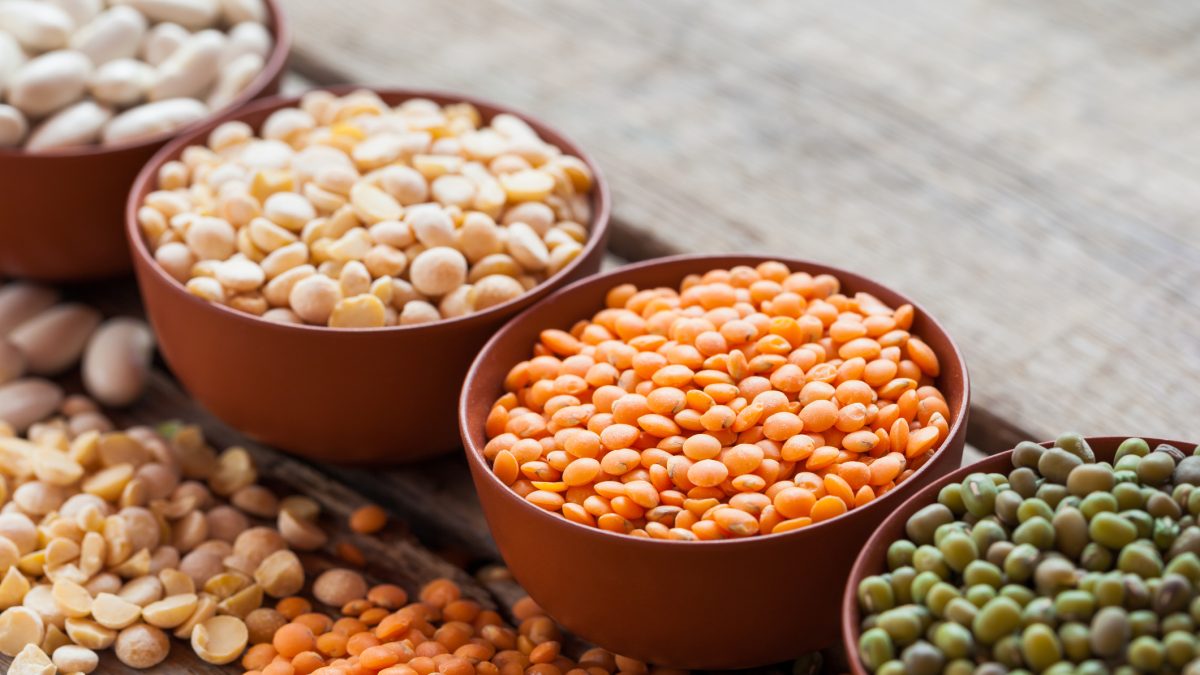
- Legumes, such as beans, lentils, chickpeas or broad beans, provide a large part of the protein. Whole grains, such as barley, can supplement meals;
- Fish, especially sardines and mackerel, can be eaten several times a week for their omega-3 intake. However, the recommendations vary depending on the species and their possible contaminant content;
- Another flagship food: extra-virgin olive oil. Valter Longo recommends consuming it daily. A small handful of walnuts, almonds or hazelnuts can also supplement your intake of good fats.
Recommendations which ultimately agree with those of the authorities: put more vegetables, fruits, legumes and whole grains on the menu, while limiting very sugary products and ultra-processed foods.
How to compose your meals to age better?
You simply need to give more space to plants in each meal.
A plate can, for example, combine vegetables, legumes and a whole grain cereal, with a drizzle of olive oil and a few nuts. The objective is above all to vary the sources of plants and to favor minimally processed foods.
Doctor Franco Berrino summarizes this approach as follows:
“Healthy aging is not just a question of luck but of daily choices”. He also uses the Italian proverb “colazione da re, pranzo da principle, cena da povero”in other words “king’s breakfast, prince’s lunch, poor man’s dinner”, to defend a hearty breakfast and a light dinner.
Meals: should we also look at the time?
Biochemist Valter Longo also advises grouping meals over a period of about 12 hours and avoiding eating within three to four hours of bedtime.
Protein needs also change with age. He recommends around 0.7 to 0.8 g of protein per kilo of weight before the age of 65-70, then 1.1 to 1.2 g after the age of 65. The objective is in particular to help limit muscle loss linked to aging.
This model is not a guaranteed recipe for living longer. But he gives a fairly simple guideline: more plants, minimally processed foods, good quality fats and a diet adapted to his needs over the years.