
Between the PIN codes that evaporate and the first names that escape us, many people have the impression of having a memory in disarray. And contrary to popular belief, this phenomenon is not only linked to age. Diet also plays an important role, as does sleep. A cohort of 139,000 seniors followed for nearly ten years established a link between certain foods and a slowdown in cognitive decline.
In this context, integrating a few foods that are beneficial for the brain into your daily life can be a simple reflex to adopt. Fatty fish, red fruits, nuts, leafy green vegetables and even dark chocolate are among the foods most often associated with better brain health. Several of them occupy a central place in the MIND diet, an eating pattern designed to preserve cognitive functions. The objective is not to focus on a miracle food, but to increase the number of choices favorable to brain health.
The 10 foods to choose to maintain your memory
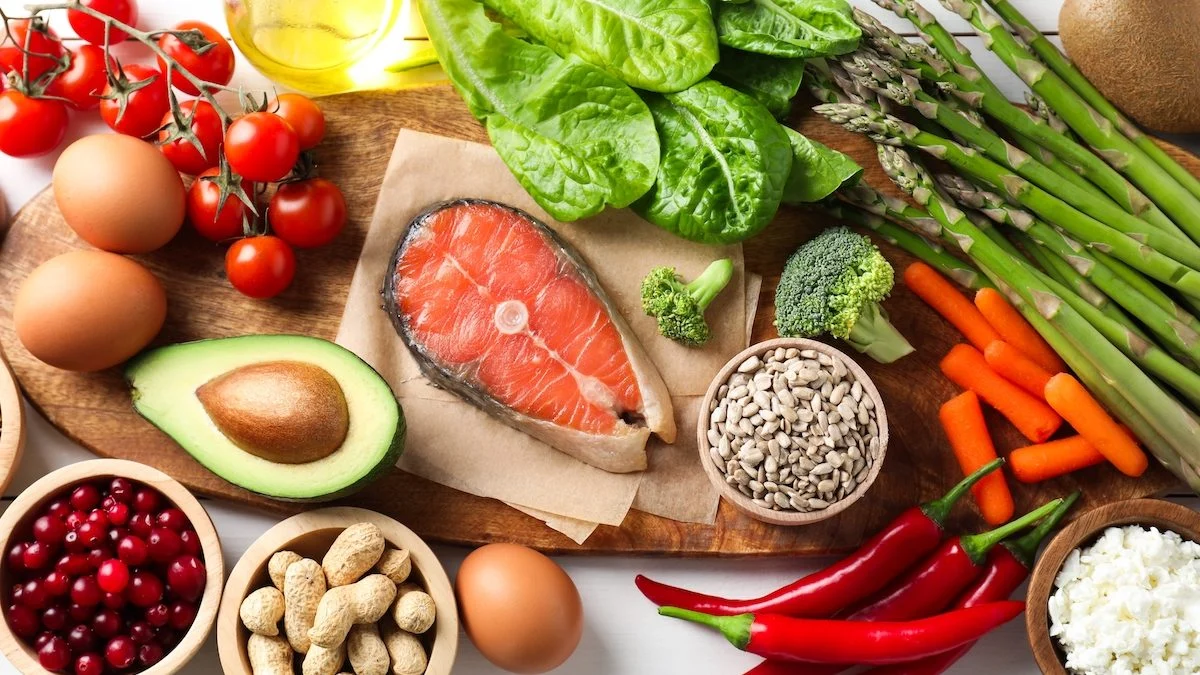
First reflex: make a regular place for these foods on your plate. Oily fish, such as salmon, sardines or mackerel, provide omega-3 which contributes to the structure and proper functioning of neurons. Walnuts, almonds and hazelnuts provide quality fats, but also vitamin E and magnesium. Chia, flax or pumpkin seeds are also a good source of nutrients, especially for people who eat little or no fish.
Red fruits, and particularly blueberries, are rich in polyphenols, compounds associated with better memory performance. Leafy green vegetables, such as spinach or kale, rich in folate, take center stage in the MIND diet. Whole grains and legumes provide progressive energy, useful for the proper functioning of working memory. Eggs provide choline and vitamin B12, while dark chocolate rich in cocoa is said to help support cerebral blood circulation. Finally, according to a study relayed by the magazine Psychologiesconsuming two servings of mushrooms per week would be associated with a halving of the risk of mild cognitive impairment.
Why are these foods beneficial for the brain?
If these foods come up regularly in scientific studies, it is no coincidence. The brain needs a regular supply of omega-3 to maintain flexible and efficient neuronal membranes. Vitamins B6, B9 and B12 participate in the production of neurotransmitters involved in attention and cognitive abilities. Vitamin D, zinc and magnesium also contribute to the proper functioning of the nervous system.
The antioxidants present in red fruits, cocoa and even citrus fruits help limit oxidative stress, a phenomenon which contributes to the aging of brain cells. The fibers in whole grains and legumes nourish the intestinal microbiota, whose interactions with the brain are now well documented. The MIND diet, which notably combines green vegetables, berries, nuts and fatty fish, is associated in several studies with a slowing of cognitive decline in older people, consistent with the results of the Australian cohort mentioned above.
“Superfoods”: what are the limits?
Health authorities, such as the National Agency for Food, Environmental and Occupational Health Safety (ANSES) or the European Food Safety Authority (EFSA), do not officially recognize the term “superfood”. L’Oxford English Dictionary defines it as “a nutrient-rich food considered particularly beneficial for health and well-being”.
In practice, these foods can help support cognitive functions, but they do not replace appropriate medical monitoring, quality sleep, or regular physical activity.