
The High Authority for Health recommends adding the biotinidase deficit and galactosemia to the national neonatal screening program. These two rare diseases, linked to an enzymatic deficit, can have serious consequences in infants if they are not quickly supported.
An enlargement to protect more newborns
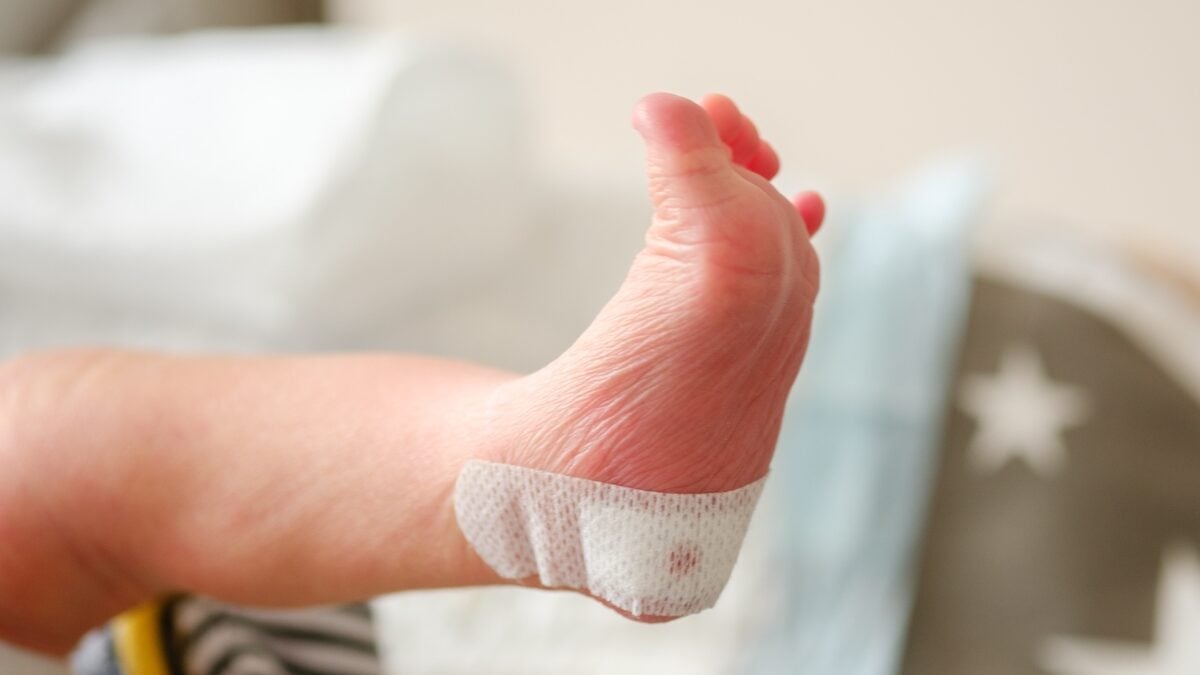
Each year, all babies born in France benefit from neonatal screening (DNN), a blood test that makes it possible to detect certain rare diseases early and to establish rapid treatment. The High Authority for Health (HAS) has recommended to expand this national program to the Biotinidase deficit (BIOT) and to Congenital Galactosemia (GALT). These pathologies, due to an enzymatic defect, can lead to severe complications from the first weeks of life if they are not diagnosed and treated.
Why these two diseases are affected
According to the evaluation carried out by the HAS, all the criteria are met to integrate the Biotinidase deficit into the screening program. Regarding galactosemia, certain technical criteria remain partially met, in particular the reliability of the test and the time to appear symptoms. But the effectiveness of treatment, the progress of screening techniques and the need for rapid management justify its inclusion. This decision also aims to guarantee equal access to care, regardless of the child’s birthplace.
How will this new screening be organized
The HAS specifies the practical methods: recourse to fluorimetric techniques, implementation of an algorithm validated for diagnosis, rapid transmission of blood samples by maternities (including weekends and holidays). She also insists on the training of health professionals and on better information from parents, from pregnancy. Finally, human, technical and financial resources will have to be mobilized to ensure a homogeneous implementation throughout the territory, including in the DROM-Com.
And after?
The follow -up of this enlargement will be based on specific indicators: Quality of the samples, results of results, test performance and profits for detected children. These recommendations may evolve according to new scientific data and experience acquired in France.