
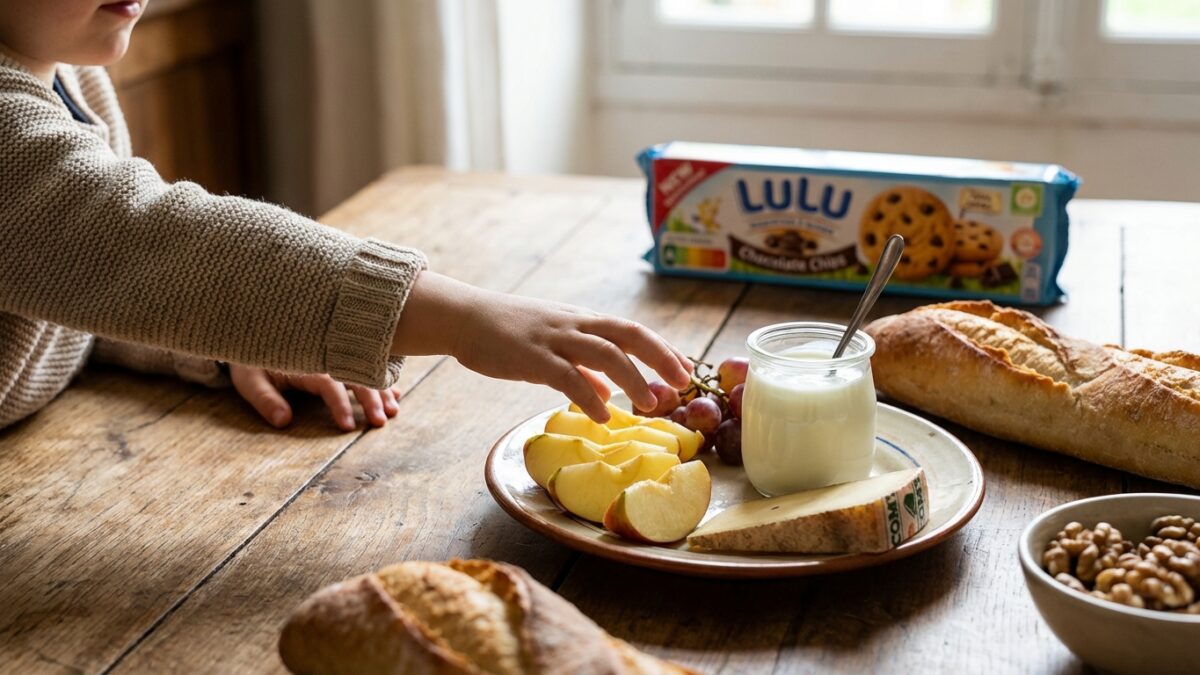
It’s 4:30 p.m. Your child is hungry. You open the cupboard… and all you find are filled cookies, cereal bars and sugary drinks. However, they are far from harmless for your health.
Public health data is clear: around 67% of packaged products in supermarkets are ultra-processed foods. And when the share of calories from these products increases by 10%, the risk of chronic diseases also increases by around 10%. However, snacking should only represent 10 to 15% of daily energy intake. The good news? It is possible to fill the snack box differently, without spending your evenings in the kitchen.
Understanding the pitfall of ultra-processed foods
An ultra-processed food is the result of a very specific process: we reduce the ingredients (cereals, sugar) into powders or syrups – maltodextrin, glucose, modified starch, polydextrose – then we add flavorings, colorings and cheap fats. On the shelves, they are easily recognized by their endless list of ingredients and their technical names that are difficult to pronounce.
The problem ? In children, these products cause spikes in blood sugar followed by food cravings. They also establish, very early on, a preference for excessively sweet taste.
However, little ones don’t yet have food preferences. A baby can very well enjoy steamed broccoli, sweet potato or tofu, if the texture is suitable and not very salty. The sooner snacking is associated with simple, raw foods, the easier it will be to avoid industrial products later.
Composing a balanced snack: instructions for use
A balanced snack is based on a relatively simple combination: a grain product, a dairy product, a fruit and water.
For example, a slice of wholemeal bread accompanied by thin slices of Emmental cheese and an apple is a filling option. Full-fat plain yogurt with oatmeal and a banana works just as well. A slice of cereal bread topped with almond puree, combined with a clementine, is also an interesting alternative.
Another practical tip: offer a snack at least two hours before dinner so that the child has an appetite in the evening.
Finally, it is preferable to favor chewable foods rather than very soft or soft textures. A quartered apple, grilled toast or carrot sticks are much more satisfying than an industrial product swallowed in a few bites.
Healthy, quick and filling snack ideas
No need for complicated recipes to replace industrial products. A ripe banana, a hard-boiled egg, a slice of cheese such as Emmental or Leerdammer with bread, or even a natural yogurt accompanied by a few oat flakes are simple and effective options. Fresh, whole fruits are obviously recommended.
Vegetables also have their place at snack time. Broccoli, carrot or sweet potato sticks, cooked in advance, can be eaten cold with a little hummus, ricotta or cream cheese.
For the rest of the week, a few gourmet preparations can help. Banana, oat, almond and cinnamon pancakes keep for two to three days in the refrigerator and are a great substitute for industrial madeleines. Small broccoli-ricotta flans cooked in a pan, or even mini vegetable frittatas, offer nourishing savory alternatives to slip into your child’s bag.