
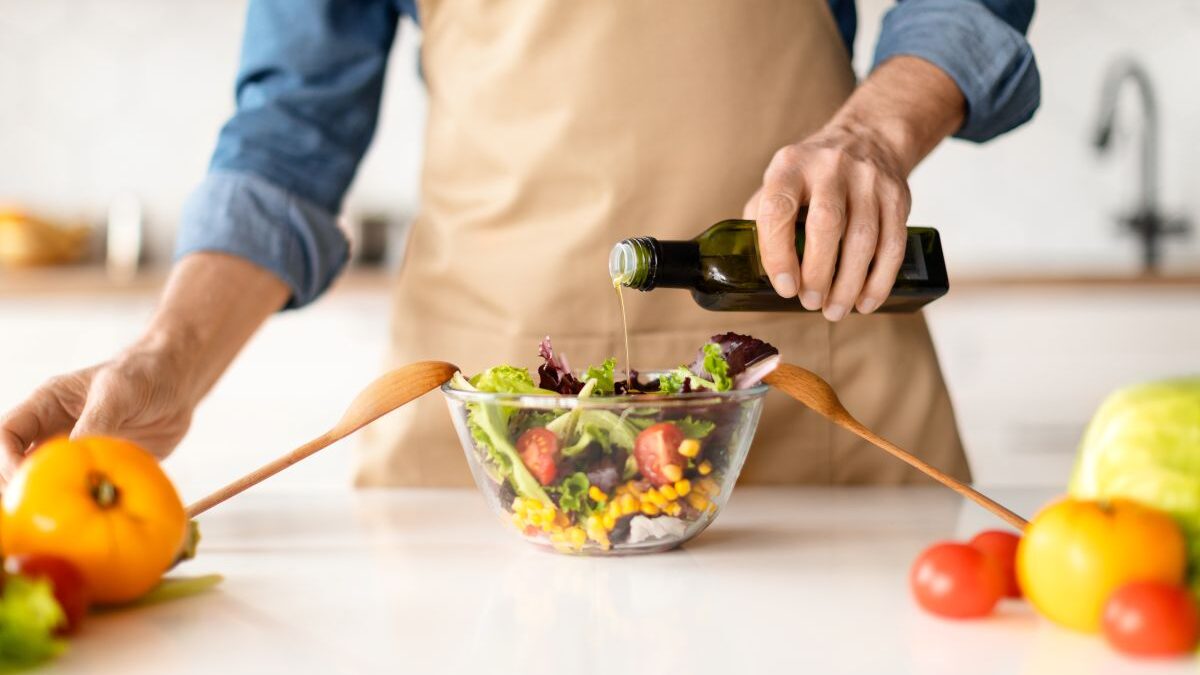
Added with a simple drizzle to our salads or used to brown our vegetables, olive oil proudly sits in all kitchens. Known for its richness in good fatty acids and its high content of antioxidants, it is our best daily health ally.
But did you know that its place in your kitchen directly influences its nutritional quality? Unwittingly, we often expose it to factors that alter its biological properties.
The three sworn enemies of your bottle of olive oil
To preserve the yellow gold of the Mediterranean, we must first understand what is attacking it. Unlike other delicatessen products, vegetable oils are living materials and highly sensitive to their immediate environment.
The first instinct in the kitchen is often to leave the bottle of olive oil within reach, placed directly on the work surface or, even worse, right next to the hotplates. This is precisely where the danger lies.
Olive oil fears three major elements:
- Direct light.
- Thermal variations.
- And prolonged contact with air.
When these three factors come together, an invisible but profound process of degradation begins, modifying the very structure of the product.
Why heat and light kill antioxidants
On a molecular level, light and heat act as powerful accelerators of aging for fatty substances.
“Light exposure activates chlorophyll molecules naturally present in virgin or extra-virgin olive oil. This activation triggers a chain reaction called photo-oxidation, which breaks down valuable nutrients.” explains dietician Pauline Pied.
The heat from the stoves causes an acceleration of the oxidation of fatty acids. “This phenomenon irreversibly destroys vitamin E and polyphenols, these famous antioxidant compounds which give olive oil its therapeutic reputation.” she adds.
An oil exposed to these elements therefore quickly loses its freshness, develops rancid flavors and sees its overall quality collapse.
Precious cardiovascular benefits directly threatened
If the loss of taste is damaging to the taste buds, it is above all the impact on our health that is worrying.
“Olive oil is an exceptional source of oleic acid, a monounsaturated fatty acid from the omega-9 family. This compound is specifically sought for its regulatory action on blood cholesterol, helping to reduce “bad” cholesterol (LDL) while maintaining “good” cholesterol (HDL).” reminds our expert.
By destroying polyphenols through improper storage, we neutralize the shield effect of olive oil against oxidative stress. However, it is these antioxidants that prevent cholesterol from oxidizing in our arteries and forming atherosclerotic plaques, responsible for cardiovascular accidents. Consuming oxidized oil is equivalent to depriving yourself of its protective barrier.
Good conservation reflexes to adopt today
Fortunately, reversing the trend and preserving all the virtues of your oil requires very simple daily adjustments.
It all starts with the purchase: systematically favor oils packaged in dark glass bottles or in completely opaque metal containers, which naturally filter light rays.
“Once home, change your storage habits. Forget the work surface exposed to the sun and store your bottle in a closed cupboard, away from the oven and the refrigerator. The ideal ambient temperature should remain moderate, ideally below 30°C” underlines Pauline Pied.
Finally, be sure to always screw the cap tightly after each use to minimize exposure to oxygen in the air, the last factor in rancidity.
In summary, olive oil is a real natural medicine for our cardiovascular system, but it remains fragile. By correcting this common mistake of leaving it near the fire or in full light, you guarantee the longevity of its protective polyphenols and fatty acids. A small gesture of tidying up your cupboards for maximum benefits on your plate!