
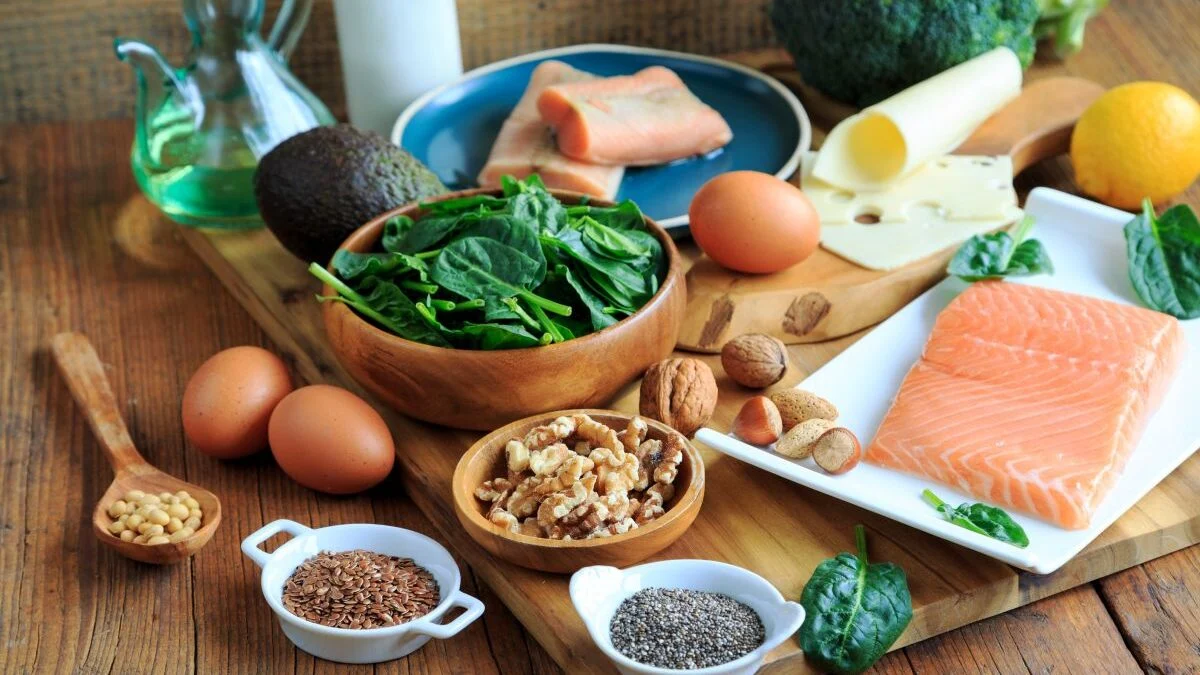
Omega-3s are essential fatty acids, essential for the proper functioning of the heart, but not only that. They also participate in the regulation of inflammation, brain and eye health, and the flexibility of cell membranes.
There are two distinct types of omega-3
We mainly distinguish EPA and DHA, which are found in marine products, and ALA, present in the plant world. “Even if ALA is less directly usable by the body, it remains valuable as part of a varied diet.“, emphasizes Julie Boët.
Among marine products, salmon remains an excellent source of omega-3, but it is not necessarily the champion of this category. Some other foods outperform it, while offering other nutritional benefits. Here are the ones, according to our expert.
Marine alternatives richer than salmon
For example, mackerel. Its fatty but fine flesh concentrates a dose of EPA and DHA much higher than that of salmon, with the added bonus of vitamin D and selenium. Julie Boët advises choosing it “fished in the Atlantic or the English Channel, and canned naturally to avoid excess salt or oil“.
Another nutritional nugget: sardines. Often shunned, it is nevertheless full of omega-3 and calcium. Particularly when eating its bones. “Its small size limits the risk of heavy metal contamination, making it both a healthy and sustainable option” she still believes.
Fresh grilled or canned in good olive oil, they fit easily into a balanced meal.
The best plant sources of omega-3
Among plants, chia seeds are unbeatable: one tablespoon is enough for a generous intake of ALA, supplemented by soluble fiber which supports digestion and stabilizes blood sugar levels. Soaked in yogurt or vegetable milk, they form a delicious and satisfying texture.
Flaxseeds, on the other hand, must be ground to release their nutrients. Mixed with a smoothie, muesli or cake batter, they boost the intake of good fats and fiber.
Finally, nuts are worth eating every day. “A small handful provides not only ALA, but also antioxidants, magnesium and protective polyphenols for the heart and brain.explains the dietitian. Plain and unsalted, they make a healthy and nutritious snack.
Alternate sources to maximize benefits
To take full advantage of omega-3, Julie Boët recommends “to alternate between marine sources rich in EPA/DHA and plant sources rich in ALA”.
This diversity optimizes the benefits on cardiovascular health, the nervous system and cellular protection, while enriching the diet with a varied range of nutrients.