
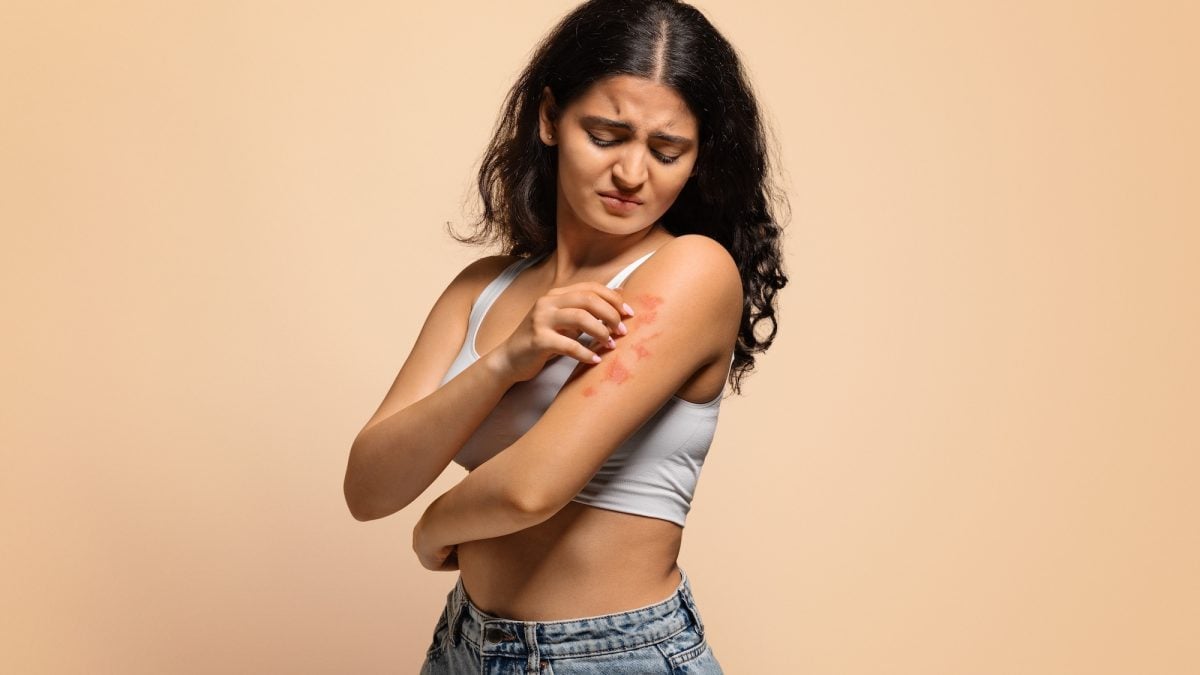
Psoriasis is an inflammatory skin disease, which is not contagious, which manifests itself by red plates covered with squames. Although benign, this disease has a significant impact on the quality of life of people affected. The treatment is symptomatic and does not allow healing. In addition to medical treatments, patients are looking for other remedies, in the hope of improving the appearance of their skin. Solutions that they will sometimes find on social networks but which can endanger their health.
Total exclusion of certain foods, detox cures …
British researchers have analyzed 138 Instagram publications containing hashtags linked to psoriasis. Their results were published in the journal Journal of Human Nutrition and Dietetics. These posts provided dietary advice, including restrictive regimes. The advice that returned most often was the exclusion of alcohol and dairy products. Detox cures and healthy diet were also frequently mentioned in these posts. Certain publications recommended to completely eliminate dairy products, gluten, red meat and solanaceae (tomato, eggplant, pepper, potato). Among the content analyzed, some were more radical: “Cleaning and detoxification, both internal and “external, are the only therapeutic options against psoriasis … A strict food restriction must be respected for rapid and efficient healing”.
The researchers found that 99% of the publications were of “low” quality. The people who had posted these contents were most often people with psoriasis (29.7% of the posts analyzed). Companies in the health and beauty sector were also one of the broadcasters of these Instagram posts. Only 6.5% of the articles were deemed of quality “moderate” by researchers, content all created by health professionals, mainly dermatologists. The study stresses that no content has been deemed “high quality”.
A risk of essential nutrients
According to the authors of this study, the advice given to Internet users could promote the occurrence of significant nutritional deficiencies in vitamin B12, iron, iodine and calcium because at no time are appropriate plant alternatives to replace foods to avoid (eggs, dairy products, meat, etc.).
“” “Our results show that people with psoriasis are frequently exposed to misleading dietetic advice on social networks. Varish and stronger studies on food and psoriasis are clearly necessary before they can develop dietary recommendations specific to this population. In the meantime, healthcare professionals must be able to provide appropriate, reliable and based on evidence, and to combat current food disinformation disinfused online disinfound“Said Dr. Poppy Hawkins, lecturer in nutrition and dietetics at the Faculty of Health, Medicine and Life Sciences of the University of Hertfordshire.
Currently, there is no official dietetic recommendation aimed at improving the symptoms of psoriasis. However, there is a high demand for food information from patients but also health professionals.
The researchers said they wanted to continue their work and develop tools to help people with psoriasis to decrypt false online contradictory food information.