
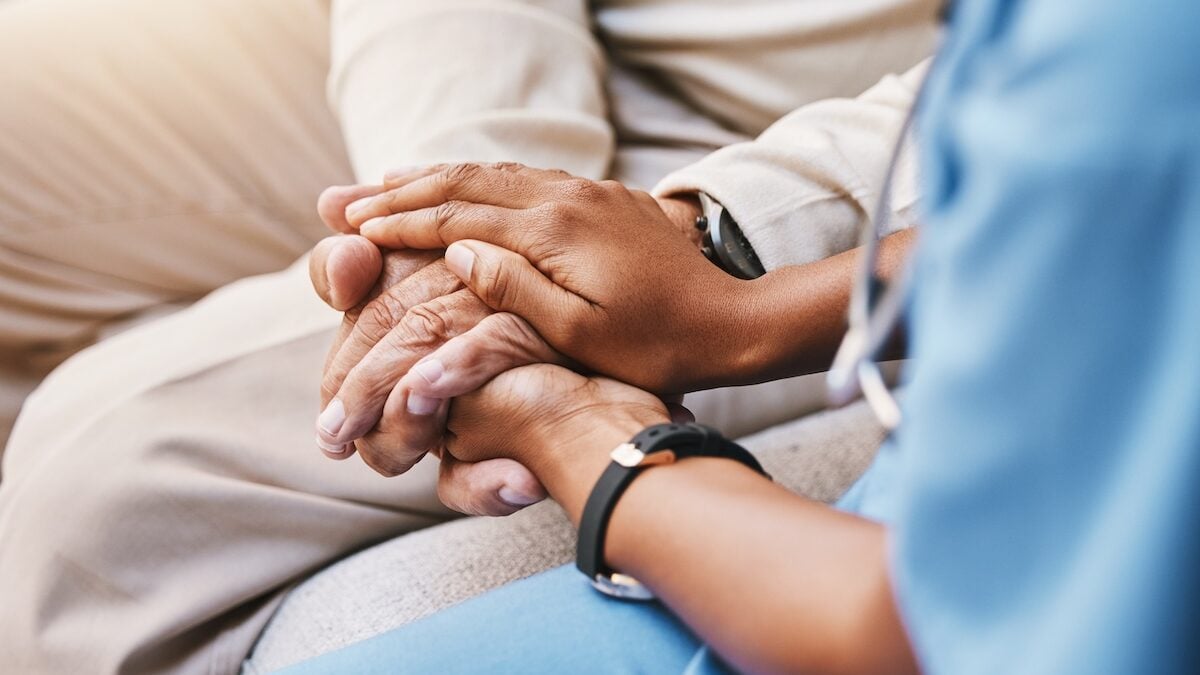
A study conducted by Biogroup and IFOP highlights a phenomenon which remains largely unknown to the general public: the “scanxiety”, this anxiety felt before a medical examination examination. The results are talking: one in two French people says it is stressed at the idea of passing a test, and 12 % admit that they have already given up screening for fear of the result. An invisible, but very real brake on a decisive prevention.
Fear, a dangerous brake still too taboo
For Biogroup, one of the major players in the medical diagnosis in France, this fear deserves to be recognized and taken into account in the care path. Dr. Eric Flatin, medical biologist, underlines the paradox: “Fear is a powerful, and yet invisible brake, with screening. With this study, we want to highlight the anxiety linked to screening and recall that preventing is already treating. Our role of biologists is not only to carry out examinations, but also to support, inform and reassure, to allow everyone to enter the care pathway“.
Faced with this anxiety, some patients prefer to differ their screening. An understandable attitude, but which can have heavy consequences, recalls Dr. Gérald Kierzek, emergency doctor and medical director of True Medical: “The fear of the result of a screening examination is very frequent and can push to adopt the ostrich policy, that is to say to avoid or delay screening so as not to face a possible bad news. But fear does not avoid danger! This strategy, although understandable, is counterproductive because it delays early detection, essential for effective and often less heavy care …“.
Still insufficient psychological care
The study also highlights the importance of better emotional support. According to Dr. Laurent Kbaier, there is still a lot to do: “According to the societal cancer observatory, 2022, 85% of patients with cancer consider that they are not sufficiently accompanied psychologically. Treating scanxiety is recognizing that the emotional experience of screening is fully part of the medical journey. Raising these brakes is giving more chance to prevention and therefore healing“.
An opinion shared by psychologist Hélène de la Ménardière, which recalls the key role of caregivers: “Early screening arouses significant legitimate concern that is an integral part of the care path. Training and recognizing scanxiety as a healthcare professional makes it possible to encourage the patient to use it but also to support him in his approach, and thus allow as far as possible an early diagnosis“.
Information and accessibility inequalities
This fear is sometimes reinforced by deadlines to access specialists, an additional obstacle pointed out by Dr Laurent Kbaier: “Beyond the fear of the result, accessibility has become a major obstacle. Waiting for several months to get an appointment with a specialist can discourage patients and delay the diagnosis. Our laboratories are in direct contact with the public, everywhere in France: we therefore have a key role to play to facilitate entry into the medical journey, reassure and guide, without“.
The figures also reveal a generational and gender fracture in awareness of screening. Nearly 8 out of 10 French people over 25 say they are informed, but only 66 % of 25-34 year olds say they are aware, compared to 88 % of the over 50s. Women also appear to be better informed (84 %) than men.
Dr. Gérald Kierzek’s advice to overcome fear
The essential question remains: how to manage this anxiety before a medical examination? For Dr. Gérald Kierzek, it is crucial to accept and tame his emotions. “”Accepting your emotions, recognizing fear without denying it allows you to better manage it. Thinking about the benefits of screening: an early diagnosis increases the chances of healing. Mentally prepare for all positive or negative, but above all positive possibilities! Talking about his fears to a loved one or a professional to receive support and advice. You have to see the exam as an act of care and love towards yourself“.
While waiting for the results, you can “avoid rumination by focusing on positive activities while waiting for the result“.
More concretely, Dr. Kierzek gives advice to better consider your exam:
- Information about the exam: “Inquire upstream to understand the course of the exam, which reduces the unknown and anxiety“;
- Choose a serene moment: “Make an appointment at a time when you feel calm, avoid periods of usual intense stress“;
- Do not go there alone: ”Coming accompanied if possible, to benefit from moral support“;
- Find a way to relax: “Practice relaxation techniques (deep breathing, meditation, positive visualization) before and during examination“;
- Learn about medical staff: “Ask all his questions to the nursing staff to raise doubts and clarify concerns“;
- Do not look for information alone: ”Avoid looking for alarming or unreliable information on the internet just before the examination“;
- Keep a good lifestyle: “Eat well and sleep well on the previous days to be in good shape on D -Day“;
- Get help if you are overwhelmed: “Consult a health professional upstream if stress is too pervasive to benefit from suitable support“.