
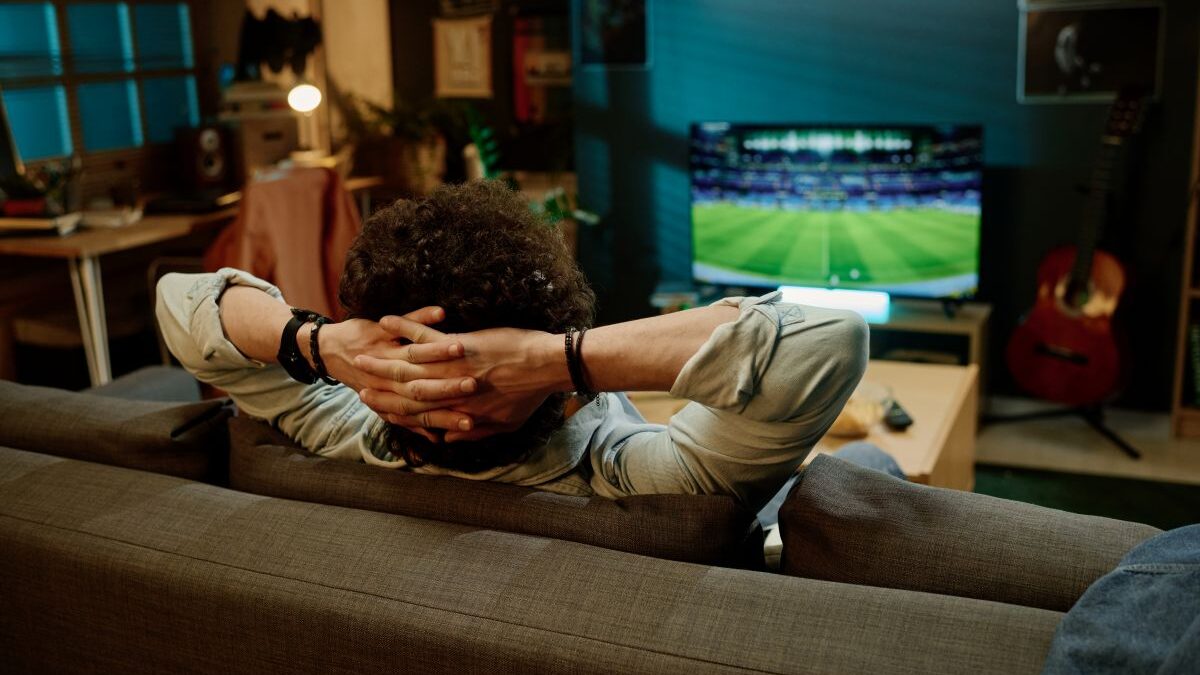
The 2026 World Cup is thrilling fans. But the time difference also imposes a trying pace for French viewers. With matches broadcast at 2 a.m., 3 a.m. or 4 a.m., nights find themselves deprived of a good part of their rest hours.
If the excitement of victories helps to keep going, this disjointed rhythm over a month is not without consequences for the body.
A sleep debt that accumulates match after match
Each match followed in the middle of the night represents a complete loss of rest. “On average, a match lasts around two hours including halftime. If you get up to look at it, you reduce your total sleep time by at least two hours.”explains Dr. Jérôme Liotier.
If a single shortened night is easily managed the next day, repetition changes the situation. Over the weeks, the lost hours accumulate to form a “credit” that must be repaid.
“We begin to feel the deleterious effects as soon as we accumulate six hours of sleep debt. This is the equivalent of a complete sleepless night during the week” he further specifies. In the short term, this lack of rest results in increased irritability, a grumpy character and a flagrant drop in performance at work. Fortunately, the euphoria of victory can temporarily compensate for the drop in morale, without long-term impact on this one-month format.
Cardiovascular risks and weight gain: the dangers of lack of rest
Beyond fatigue and bad mood, a chronic lack of sleep exposes you to severe medical risks. Dr Liotier is based on a vast scientific study involving more than 500,000 people.
“The results show that when you sleep less than six hours per night chronically, the risk of cardiovascular mortality increases,” he warns.
In addition, shortening your nights directly disrupts the hormones that regulate appetite: leptin (satiety hormone) and ghrelin (hunger hormone).
“When we sleep poorly, ghrelin increases and leptin decreases. This hormonal imbalance leads us to eat more and feel a constant feeling of hunger. If this situation is repeated, it can lead to weight gain and, ultimately, obesity.”
Television or smartphone: the impact of blue light in the middle of the night
Watching a game at 3 a.m. exposes your eyes to bright light, which further delays going back to sleep. However, not all screens are created equal. Dr Liotier emphasizes that smartphones and tablets are much more harmful than the classic television set.
“Blue light from tablets and phones makes the retina photosensitive, which blocks the secretion of melatonin, the sleep hormone“, explains the specialist. The advice is therefore simple for match nights: “If you want to follow the World Cup, choose to watch it on the television screen in the living room rather than on your tablet or phone directly in your bed.”
Also remember to limit alcohol consumption, because although it helps you initially fall asleep, it profoundly disrupts the quality of the night.
Nap, coffee and freshness: the winning combo to keep you going
Finally, to get through this month of competition without collapsing, several recovery and sleep hygiene strategies exist. The absolute priority remains the compensation of the sleep debt, and for this, the nap is the ideal weapon.
“Exceptionally, to compensate for a match, it is recommended to take a long nap the next day. If this is not possible due to work, then you should use the weekend to sleep in to make up for at least half of the missing hours.”advises the doctor.
To maintain vigilance during the day, the doctor validates the use of coffee or energy drinks, which block adenosine (the molecule responsible for sleep pressure), while reminding that this does not eliminate the real debt.
Dr Liotier recommends strict hygiene around matches.
“Avoid intense physical exertion or hot baths in the evening. During periods of high heat, also make sure to maintain a cool room, ideally air-conditioned at 19°C, to make it easier to fall asleep.”