
A scar fresh in the sun can quickly turn into a brown mark that is difficult to remove. But simply protecting this area alone would be a mistake: UV rays and visible light also attack healthy skin and can permanently promote pigmentation and skin aging. Dermatologist Marie Jourdan reminds us why sun protection must be considered across the entire skin.
Protecting your skin from the sun: a necessity beyond scars
Exposure to the sun is a pleasure for many, but it requires adequate protection to avoid unfortunate consequences on the skin. Often the focus is only on the scarred areas, but it is essential to protect the entire skin.
Indeed, as Dr Marie Jourdan explains in a video posted on her Instagram account, even if a scar is particularly vulnerable, the whole body deserves a solid defense against the sun’s harmful rays.
The mechanisms of scar pigmentation
Inflammation, UV and visible light are the three main factors that influence scar pigmentation. “When you have scars on your body, you protect them from the sun because you don’t want them to pigment.”explains Dr Jourdan. Inflammation can cause scars to become red, which stimulates melanocytes to produce more melanin. UV rays, for their part,will stimulate the pigment cells directly”. In addition, visible light, even on cloudy days or behind a window, continues to act on pigmentation.
If a scar turns brown, this is a difficult situation because “This pigment is often deep and it can take weeks or even months to go away.”. Treatments may include depigmenting creams, or more advanced techniques like laser.
Tips for effective sun protection
A comprehensive sun protection strategy goes beyond just covering scars. According to Dr Jourdan, it is wise to put “a thick layer of sunscreen so that no rays, whether UV or visible light, get through”. She also recommends using sunscreens containing iron oxide, which better block visible light. Opaque silicone patches can also be an option to completely prevent the passage of rays.
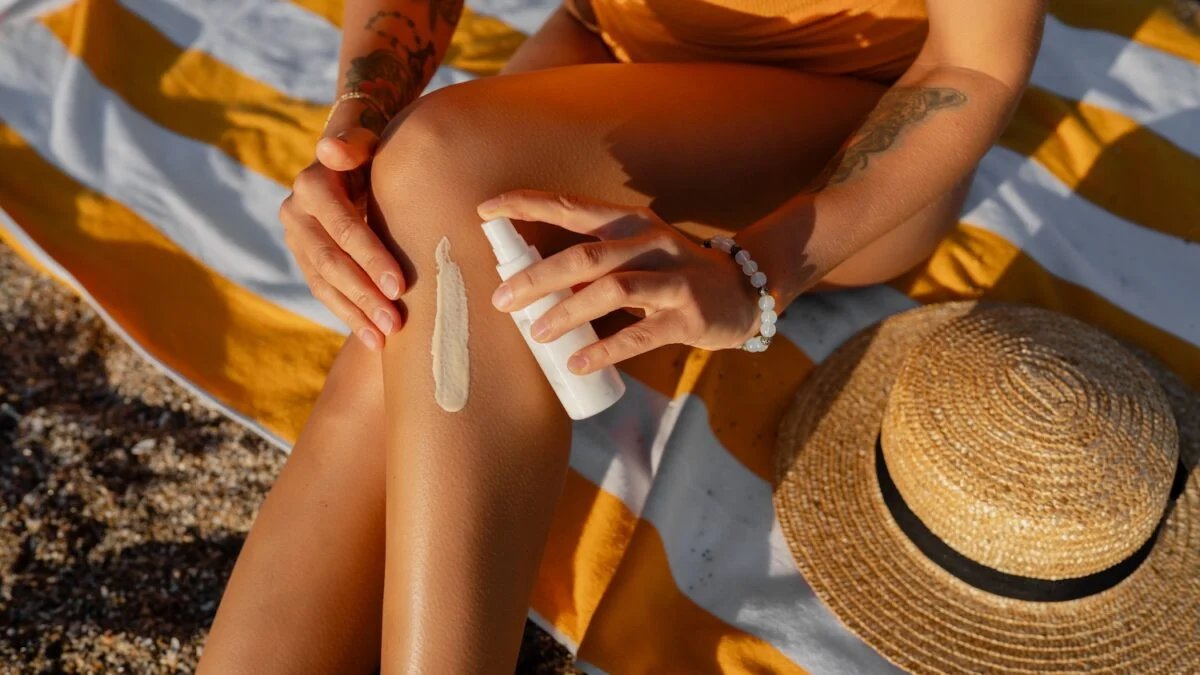
But why limit yourself to only protecting scars? As Dr Jourdan points out, “when you have sunscreen in your hands, why do you only put it on the scar? If the sun is going to hit the rest of the leg, while you’re there, put it on all the legs.”. It is essential to protect the entire skin not only for aesthetic reasons, such as preventing brown scars, but also to maintain overall skin health.
Taking care of your epidermis by protecting each piece of skin equally can not only prevent visible marks but also safeguard your health in the long term. Thus, the balanced application of sunscreen is more than just a preventive measure: it is a real public health gesture.
What to remember
Protecting a scar from the sun is therefore an essential reflex, but it should never overshadow the rest of the skin. Appropriate sun protection, applied generously and renewed regularly, is one of the simplest actions to limit sun-related damage. Because behind the aesthetic issue of a scar that turns brown there is also a broader question at play: protecting your skin from the repeated attacks of ultraviolet rays, summer after summer.