
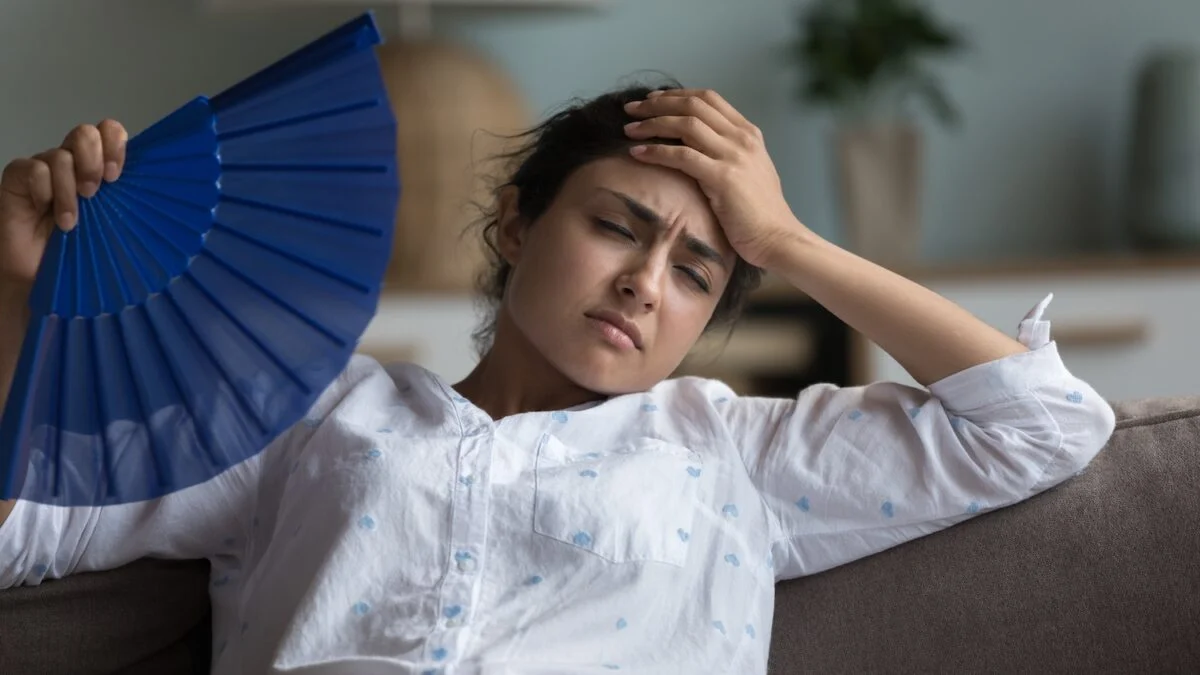
When temperatures rise, the government always targets the same profiles: the elderly, infants or patients with serious illnesses. Yet in emergency departments, another population appears every summer. Workers exposed to direct sunlight, people living in precarious situations (without insulation or ventilation) or even people suffering from barely visible pathologies. So many profiles which do not always appear among the public identified as “at risk”, but who nevertheless suffer the full brunt of the effects of the heat…
Exposed workers, overheated homes: risk factors still underestimated
Contrary to popular belief, being young and in good health does not protect against heat waves. The living conditions in which we live take precedence over age.
“Vulnerability to heat depends primarily on exposure and living conditions: outdoor work, construction sites, deliveries, agriculture and construction trades increase hours in high heat and dehydration, reducing the physiological capacity to compensate”says Dr. Gérald Kierzek.
For delivery people, construction workers, farmers, maintenance workers, it is often impossible to avoid the hottest hours. Their body is then subjected to prolonged heat stress which increases the risk of dehydration, malaise or exhaustion.
But that’s not all: housing also plays a major role.
“Housing without insulation or ventilation, rooms facing south, overheated basements or lack of access to a cool place (park, air conditioning, community center) transform young people in apparent good health into decompensated patients (syncope, dehydration, acute heart failure)”confides the practitioner.
Behind closed shutters, some apartments reach unbearable temperatures, including at night.
These “invisible” diseases that weaken
Against all expectations, many people themselves are unaware that they are more exposed to complications linked to high temperatures.
“And yet: many so-called “invisible” pathologies (moderate heart failure, mild COPD, diabetes, certain neuropathies, psychotropic or diuretic treatments) greatly increase the risk of heat-related accidents, without the person being identified as “vulnerable” by administrative measures”indicates the expert.
Indeed, during a heatwave, these weaknesses can quickly destabilize the body.
Added to this is also the effect of certain medications, notably diuretics or psychotropic drugs, which can promote dehydration or disrupt the body’s cooling mechanisms.
Result ? These people are taken care of too late.
“In the emergency room, these patients arrive decompensated with non-specific signs (intense asthenia, temporary confusions, extrasystoles, acute renal failure), whereas they could often have been protected by a simple therapeutic adaptation or preventive social support”recognizes the specialist.
“The heatwave doesn’t just concern seniors!“
For Dr Gérald Kierzek, prevention campaigns must evolve to better reflect the diversity of risk profiles.
“The heatwave doesn’t just concern seniors”insists the doctor.
Indeed, people living in overheated homes or working outside also deserve to be taken into consideration.
“We should therefore broaden the definition of “people at risk” in public health messages to include exposure (work, housing) and certain “invisible” pathologies.estimates the medical director of True Medical.
Among the options he mentions are the adaptation of working hours during heat peaks, the establishment of compulsory breaks in cool spaces, easier access to air-conditioned places for the most exposed people or even information campaigns on the interactions between heat and medications.
The doctor also says that it would be useful to “identify” isolated people before each heatwave episode.
“Targeting isolated people (social visits), disseminating practical advice via pharmacies and GPs before heat episodes are all important predispositions to take into account”concludes the practitioner.