
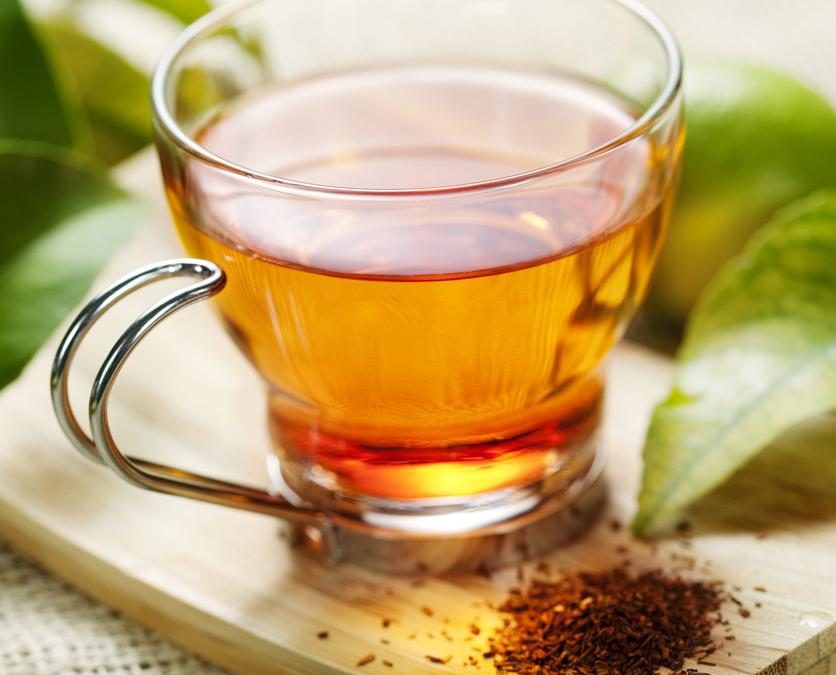
According to South African researchers, almost half of the world’s population suffers from functional digestive disorders, such as irritable bowel syndrome, constipation or dyspepsia. And women are particularly affected: 49% of them suffer from it, compared to 36.6% of men. In this context, a caffeine-free herbal tea is attracting the interest of researchers for its potential effects on intestinal inflammation and protection of the intestinal barrier: rooibos.
Native to the Cederberg region in the Western Cape province of South Africa, rooibos comes from the shrub
Aspalathus linearis and is part of the heritage of the Khoisan peoples. Marketed since the beginning of the 20th century, it is today consumed well beyond South Africa. A study led by Mariska Lilly, from the Cape Peninsula University of Technology, suggests that this tea could both reduce inflammation in the gut and strengthen the intestinal barrier, an essential element in protecting the digestive tract.
How does rooibos act on the intestine?
For their work, the researchers tested aqueous extracts of fermented red rooibos and unfermented green rooibos on porcine intestinal epithelial cells (IPEC-J2), a commonly used model due to its similarities to the human intestine.
The cells were first exposed to rooibos extracts for 24 hours, then to a bacterial toxin, a lipopolysaccharide fromEscherichia coliintended to cause a strong inflammatory reaction. The researchers then assessed several markers of inflammation as well as the integrity of the intestinal barrier.
The results show that fermented red rooibos is the most effective in limiting inflammation. In cells exposed to the toxin, it reduces the expression of several pro-inflammatory genes, with an effectiveness comparable to that of dexamethasone, a corticosteroid used to treat certain intestinal inflammatory outbreaks.
Green rooibos acts differently. It further promotes the production of tight junction proteins, such as ZO-1 and occludin, which help maintain a less permeable intestinal barrier. According to the authors, these effects are linked to the presence of polyphenols, notably aspalathin and nothofagin.
Caffeine-free herbal tea, but evidence still limited
Unlike tea, rooibos does not contain caffeine and naturally contains few tannins. As the site reminds us
Healthlineit is generally gentler on the stomach and can be consumed at any time of the day, including in the evening. Easy to find in supermarkets, in sachets or in bulk, it is also much less expensive than many food supplements intended to support digestion.
These results must, however, be interpreted with caution. The study, published in the journal Phytomedicine Plusis preclinical research carried out on porcine intestinal cells in the laboratory. It therefore does not demonstrate that rooibos can treat irritable bowel syndrome, chronic inflammatory bowel disease or other digestive disorders in humans.
The Healthline site also points out that most of the benefits attributed to rooibos are still based on studies carried out in the laboratory or in animals. Large-scale clinical trials in humans remain necessary to confirm these effects.
How to integrate rooibos into your routine?
Rooibos can easily replace a caffeinated drink or complement a balanced diet. On the other hand, it does not constitute a treatment for digestive diseases. In the event of persistent disorders, chronic inflammatory bowel disease or drug treatment, it is preferable to seek advice from a health professional before consuming it regularly.