
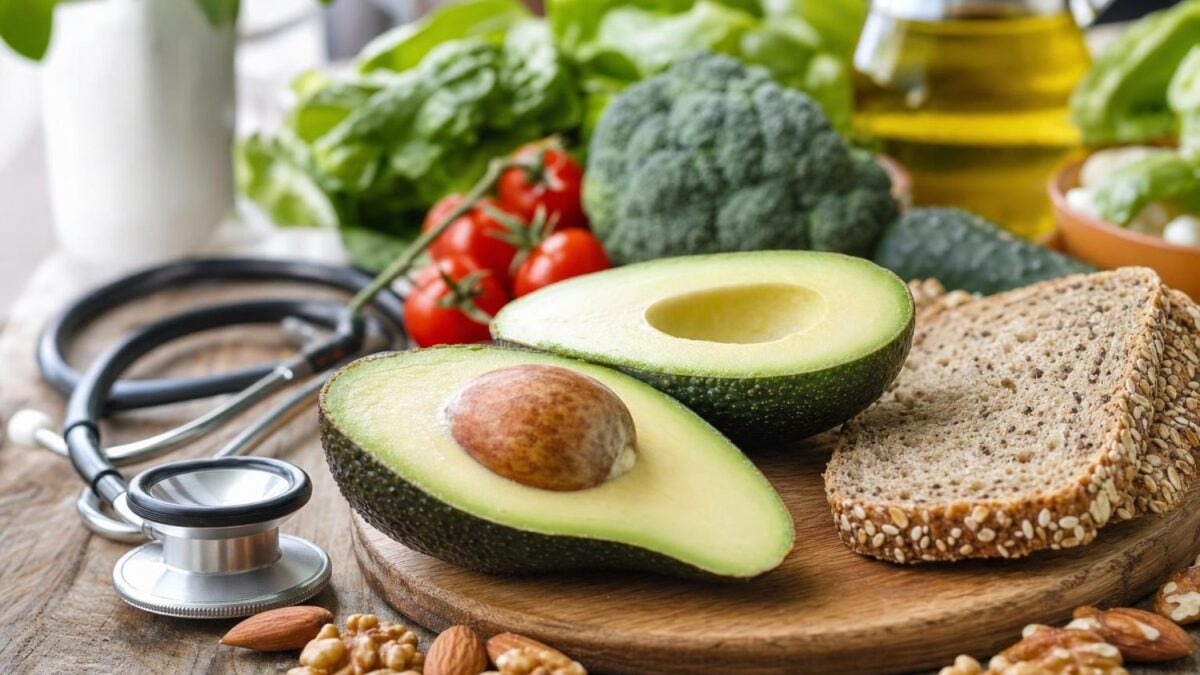
Cardiovascular disease remains one of the leading causes of death, second only to dementia and Alzheimer’s disease in the UK. In this context, every action counts to preserve your heart health. But beyond the general recommendations on diet, many wonder: is there a food capable of making a real difference on a daily basis? For an American cardiologist, the answer is yes. And it is a very common fruit, often wrongly considered a vegetable: the avocado.
According to Sarah Alexander, a cardiologist in the United States, avocado is the best fruit for heart health. Quoted by the media EatingWell, it is based on research showing that
“People who consumed at least two servings of avocado per week had a 16% reduced risk of developing cardiovascular disease and a 21% reduced risk of coronary heart disease compared to those who did not consume it”. The media also specifies that “replacing half a portion of butter or margarine with avocado was associated with a 16 to 22% reduction in the risk of cardiovascular disease”. Clearly, the benefits of avocado seem mainly linked to the fact that it replaces fats that are less favorable to cardiovascular health.
Why is avocado so good for the heart?
Avocado is particularly rich in monounsaturated fats, often referred to as “good fats”. When they replace saturated fats, they help improve the lipid profile and better control cholesterol.
Another advantage: its potassium content. Half a serving of avocado provides nearly 500 mg of this mineral, more than a banana. Potassium helps the body compensate for the effects of excess sodium and thus participates in the regulation of blood pressure.
Avocado also contains vitamin E and carotenoids, two families of antioxidants that help protect blood vessel walls against oxidative stress.
In terms of fiber, half a serving provides almost 7 g, or about a quarter of the recommended daily intake. An interesting contribution, since fiber helps reduce blood cholesterol and promotes better cardiovascular health.
Finally, avocado contains phytosterols, plant compounds that some studies suggest can help reduce cholesterol levels by about 10%. Sarah Alexander summarizes their action as follows: “Phytosterols can lower cholesterol by limiting its absorption by the body. However, lower cholesterol levels help reduce the risk of cardiovascular disease.”
Cholesterol, blood pressure: what the studies show
The monounsaturated fats present in avocado are an interesting alternative to butter, margarine or certain sauces high in saturated fats. When they regularly replace these foods, the level of LDL cholesterol, often called “bad cholesterol”, tends to decrease, while HDL cholesterol, considered protective, is generally better preserved.
Fiber, especially soluble fiber, also plays an important role. They capture part of the cholesterol in the intestine, thus limiting its passage into the blood circulation.
Potassium is also involved in the regulation of blood pressure. By promoting the elimination of sodium by the body, it helps reduce the pressure exerted on the arteries, a key factor in the prevention of hypertension and cardiovascular diseases.
As part of a balanced diet, close to the Mediterranean model and rich in plants, avocado therefore appears to be a simple and accessible ally to improve both cholesterol and blood pressure.
How to consume avocado without excess?
Despite its many nutritional benefits, avocado remains a relatively high-calorie food. The objective is therefore not to consume it in large quantities, but rather to use it to replace other sources of fat.
For many adults, a serving of a quarter or half of an avocado per day can easily fit into a balanced diet. It can replace butter on toast, mayonnaise in a sandwich or even a creamy sauce in a salad.
Among the simple ideas to adopt: a wholemeal bread toast with avocado, an egg-avocado sandwich without mayonnaise or even a little salty homemade guacamole accompanied by raw vegetables.
Avocado can also be found in more original recipes, such as an avocado topped with an egg then baked, or mixed with green vegetables in a smoothie.
Be careful though: People suffering from advanced kidney disease or following treatment that could influence potassium levels should seek the advice of their doctor before significantly increasing their avocado consumption. In case of doubt, personalized medical advice remains essential.