
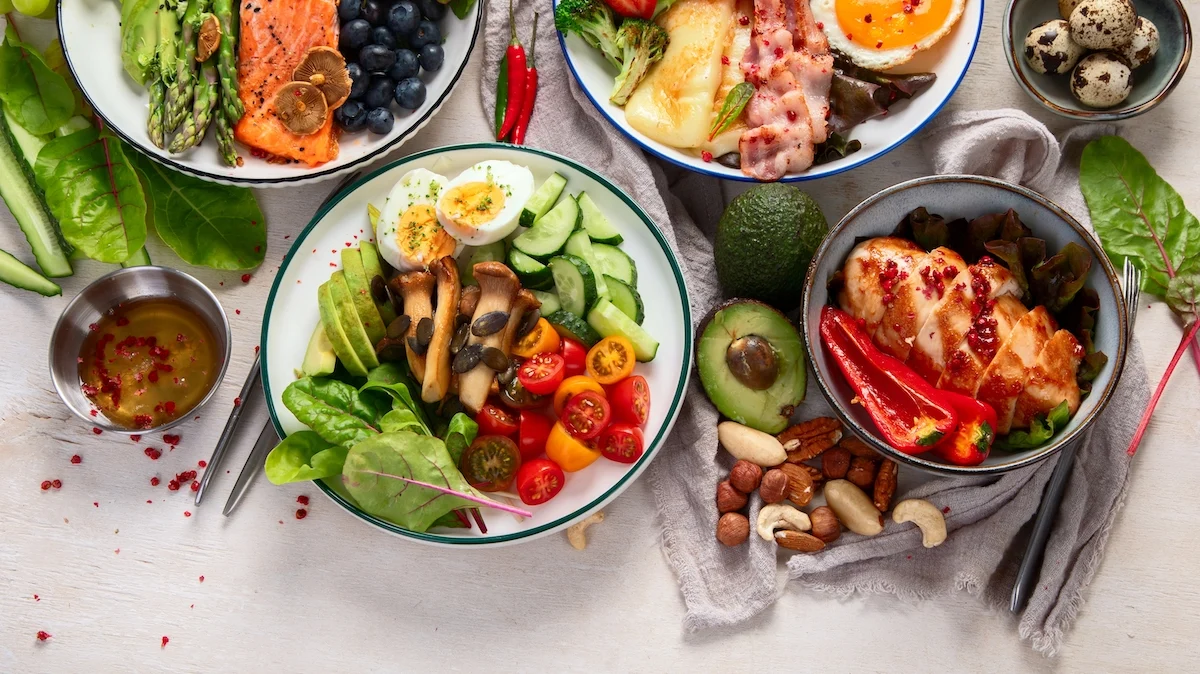
When the light dims and the days get shorter, waking up can become more difficult. Fatigue, recurring colds, low morale or a craving for sugar: autumn fatigue sometimes sets in without us realizing it. And during this period, the contents of the plate could make all the difference.
How to support your body in autumn?
First reflex: focus on the right nutrients to support the immune system. Indeed, if “being vaccinated every season is important, several nutrients essential to the immune system also help”, explains dietician Jo Travers. She cites in particular vitamin C, vitamin A and folate. According to her, 80 g of kale provides approximately twice the recommended daily intake of vitamin C.
Another option: take care of your intestinal microbiota.
“Fibers are essential to protect against winter illnesses, mainly because they nourish the intestinal microbiota, which is part of the immune system”,
she confides.
Certain intestinal bacteria, notably Bifidobacteria and Lactobacillus, transform the prebiotic fibers present in leeks, asparagus and even oats into short-chain fatty acids. These compounds participate in the functioning of the intestinal wall and the proper functioning of the immune system.
Mood, brain and lungs: eating a plate can also help fight fatigue
When light is scarce, fatigue is not only physical. It can also be accompanied by a drop in motivation and increased drowsiness.
Jo Travers recalls that tryptophan, B vitamins and folates participate in the production of serotonin, a messenger involved in mood regulation. She therefore advises regularly including whole grains, meat, eggs, nuts and leafy green vegetables, such as spinach or kale, on the menu.
The lungs can also be put to the test during the cold season. “Breathing cold air can cause constriction of the airways, a phenomenon called bronchoconstriction, which can cause inflammation of the lungs,” explains the nutritionist.
To support them, she recommends favoring foods rich in antioxidants. Vitamin C is found particularly in fruits and vegetables, while vitamin E is found in nuts and seeds. Leafy green vegetables, eggs and peas can also find their place on the plate.
Joints, heart and omega-3: a diet that supports the body
The cold can also be felt in the joints.
“The synovial fluid around the joints becomes thicker and less lubricating in the cold,” notes Jo Travers.
To support them, she recommends an anti-inflammatory diet, including fatty fish rich in omega-3 and very colorful plants. The polyphenols present in these foods “neutralize inflammatory compounds and also provide fuel to the gut microbiota, which helps reduce inflammation via the immune system.”
The heart also deserves special attention in winter. When temperatures drop, blood vessels constrict to conserve heat, which can increase blood pressure.
According to Jo Travers, “dietary changes can have a positive effect on the
cardiovascular risk in as little as a week.” To provide potassium, magnesium and calcium, she recommends bananas, spinach, potatoes, beans, dairy products and kale.
Enough to vary the menus throughout the winter, without looking for a miracle food. A balanced and diversified diet remains the basis for meeting the body’s needs and supporting its daily energy.