
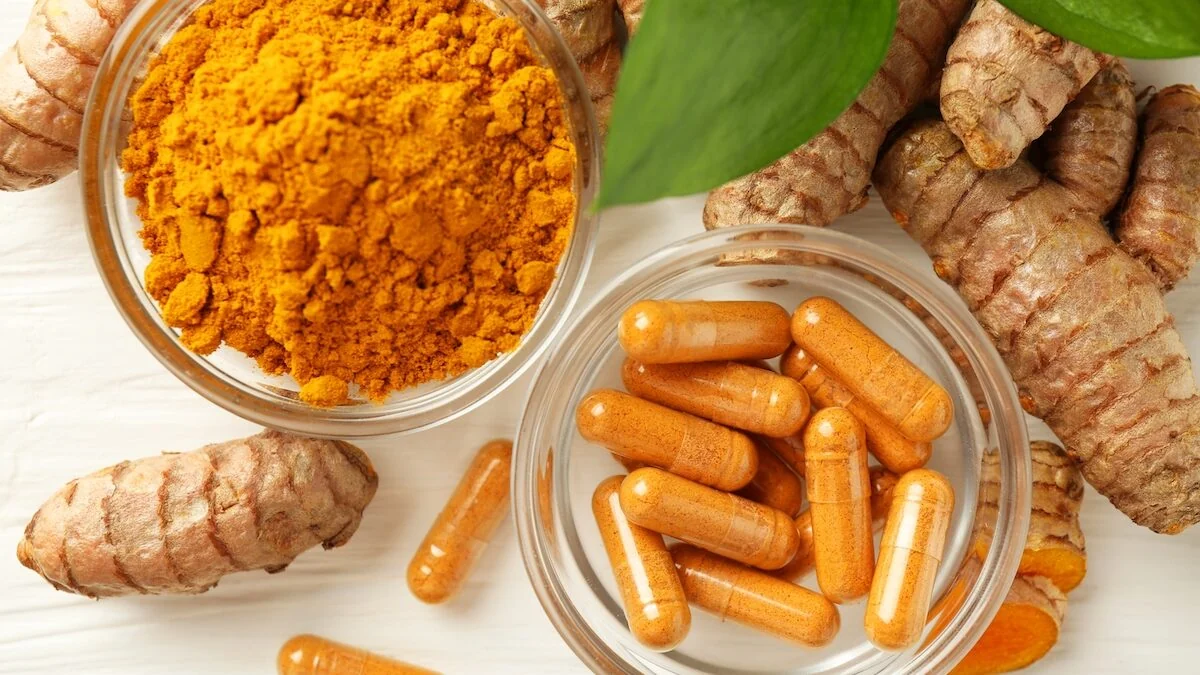
Between food supplements, herbal teas and golden lattes, many French people wonder what time to swallow their new favorite spice so that it “really works” and without heartburn. Medical sites and nutritionists agree: what changes everything is not morning versus evening, but the fact of taking it in direct connection with a meal, and with the right way of digesting it.
Turmeric: why take it with a meal, rather than on an empty stomach
The star in question is turmeric or Curcuma longa, and especially its active molecule, curcumin. The best time to take it is around a meal containing fat, rather than on an empty stomach. The morning or evening debate comes next, depending on your routine and your digestive tolerance.
Turmeric is better absorbed when taken with a meal, especially if it provides some fat such as oil, butter, cheese or meat. Curcumin is fat soluble and dissolves poorly in water, but it combines well with lipids. Digestion also creates a more acidic environment in the intestine, which improves its bioavailability to the body.
It is better to take your supplement during a meal, a few minutes before, during or just after, rather than on an empty stomach. For many, the simplest option is to mix turmeric powder into a hot dish, soup or sauce.
Morning, noon or evening: how to choose the right time for turmeric?
No solid studies show any major difference between taking it in the morning, afternoon or evening. So the best time slot is when you eat a real meal and think about eating it. To limit stomach aches, divide the dose into two doses spaced 8 to 12 hours apart, for example morning and dinner.
Dinner is often cited as a good time because it is larger and has more fat, which can improve absorption. But in some people, turmeric causes diarrhea or abdominal pain.
In this case, it is better to move the intake to breakfast or lunch so as not to disturb sleep, even if it means keeping a mild herbal tea without turmeric before going to bed.
Turmeric: precautions, safety and forms of supplements
The National Agency for Food, Environmental and Occupational Health Safety (ANSES) reminds that supplements are not harmless, especially in the event of pregnancy, breastfeeding, gallstones or treatments such as anticoagulants.
ANSES has reported rare liver damage after high-dose turmeric treatments.
The JECFA committee of the FAO and WHO places the admissible daily intake of curcumin around 3 mg per kilo of body weight, which encourages avoiding very concentrated capsules or formulas with piperine without medical advice.