
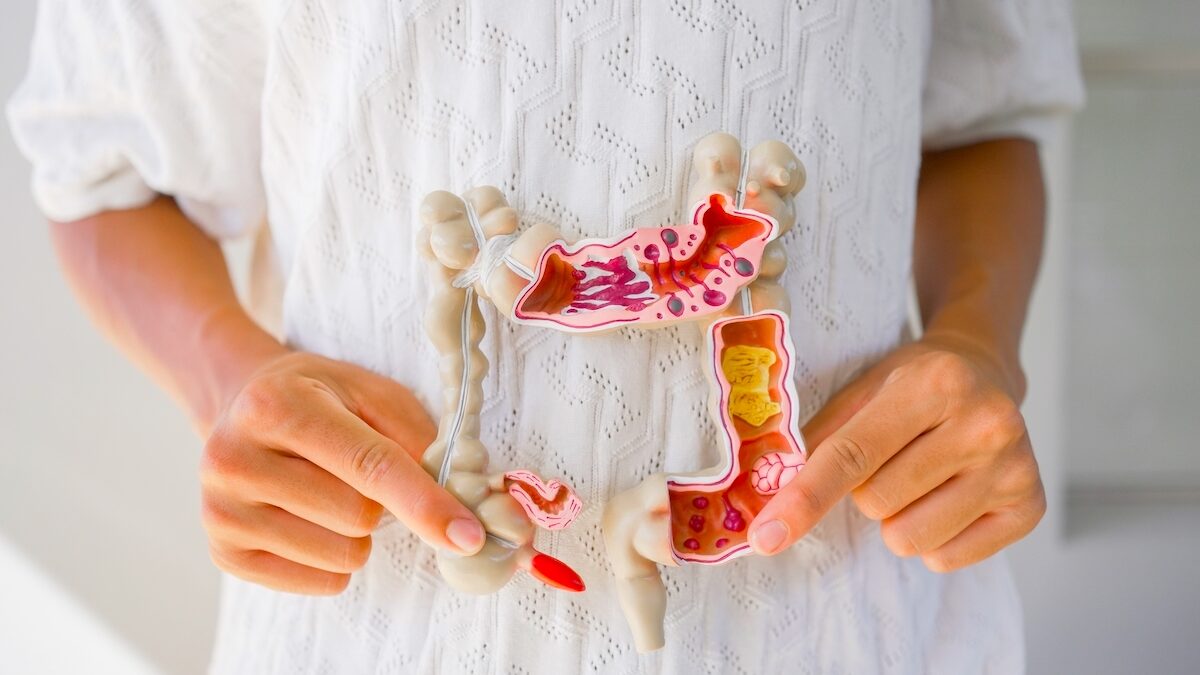
For almost two decades, colorectal cancers have been growing at an unprecedented rate among those under 50. A phenomenon too rapid to be genetic, and which pushes scientists to look for explanations in our lifestyle habits.
A meteoric rise in colorectal cancers among young people
“What in our environment could have changed so quickly?” asks Dr. Andrew Chan, gastroenterologist at Massachusetts General Brigham and leader of a new study published in JAMA Oncology. His research now provides a key element: what we put on our plates could play a more important role than we thought.
The researchers analyzed data from 29,000 participants in the Nurses’ Health Study II, followed over a quarter of a century. All of them regularly detailed their diet and underwent at least one colonoscopy before their 50th birthday.
The objective: to find out if the consumption of ultra-processed foods was associated with the formation of precancerous polyps, in particular adenomas, considered to be the main step before colorectal cancer.
More ultra-transformed = more adenomas
The results are clear: women who consumed the most ultra-processed foods, around a third of their daily calories, were 1.5 times more likely to develop adenomas than those who ate the least. For Dr Chan, this distinction reinforces the idea of a causal link:
“This is the type of polyp that causes cancer. But this is precisely where we see the association”.
Specifically, most colorectal polyps do not turn into cancer, but almost all colorectal cancers start as a polyp. However, the study shows no link with serrated lesions, less often the cause of cancer.
However, although the study focused on predominantly Caucasian women, several previous research shows similar results in men. “We have no reason to think that this would not apply to them”believes Dr Chan.
Why ultra-processed foods are a problem: insights from Dr Gérald Kierzek
The study also highlights the most harmful products and those most associated with polyps: products rich in sugar or sweeteners as well as highly processed condiments, sauces and spreads. To explain this link, several experts cite the biological mechanisms triggered by these products.
Dr. Gérald Kierzek, medical director of True Medical, summarizes:
“Ultra-processed foods increase the risk of colon cancer because they are high in added sugars, saturated fats, salt, and contain many industrial additives, such as emulsifiers, which disrupt the gut microbiota and promote chronic inflammation. This inflammation creates a breeding ground for carcinogenesis in the colon.”
He also adds that these products are low in fiber, essential for good intestinal health, and that certain potentially carcinogenic compounds can be formed during industrial processes or migrate from packaging.
“These combined factors contribute to significantly increasing the risk of developing precancerous polyps, which can develop into colorectal cancer over time,” he concludes.
Towards a better understanding of the causes
According to specialists, the increase in colorectal cancers among young people is probably linked to a set of factors: intestinal inflammation, disruption of the microbiota, obesity, diabetes… all elements amplified by ultra-processed foods.
The next step in research will be to understand which of these mechanisms, or which combination, plays the most determining role.
But for Dr Chan, one thing is already clear:
“The consumption of ultra-processed foods has exploded in recent decades, and the curve of colorectal cancers among young people follows exactly the same trajectory.”
And presumably, this is not a coincidence.