
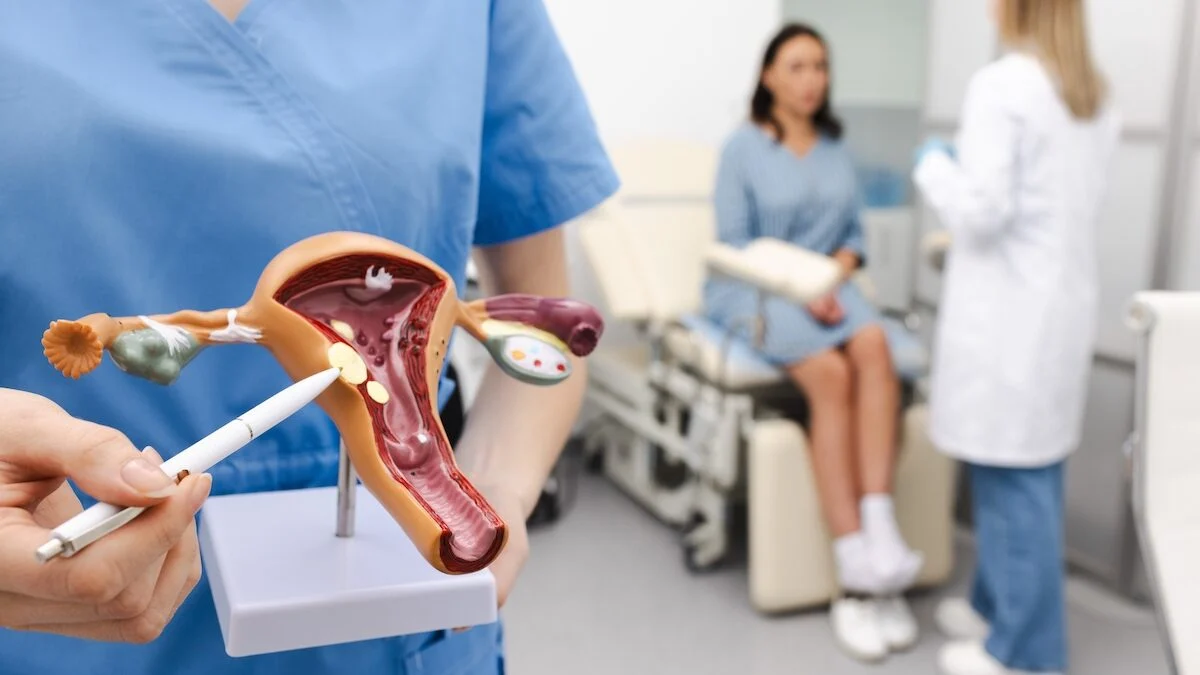
Uterine polyps are growths that develop on the endometrium, the lining that lines the inside of the uterus. Most often benign, they can nevertheless be the cause of unusual bleeding, heavier periods or even difficulty conceiving a child. In a video published by True Medical on May 28, 2026, an expert recalls that polyps correspond to “an abnormal proliferation of the endometrium”, which can in particular be favored by certain pathologies such as adenomyosis.
Depending on their size, location and the symptoms they cause, simple monitoring can sometimes be enough. In other situations, treatment is recommended to avoid complications.
Hysteroscopy: the reference examination to diagnose and remove a polyp
When a polyp causes symptoms or raises diagnostic doubt, gynecologists often resort to hysteroscopy. This minimally invasive procedure allows you to directly explore the inside of the uterus using a very fine camera and, if necessary, remove the polyp during the same procedure.
The objective is twofold: to make annoying bleeding disappear and to analyze the removed tissue. As the expert explains, this step is particularly important in women close to menopause or already in menopause, because it allows you to verify that it is not a cancerous lesion of the endometrium. The treatment is always adapted to the age of the patient, her symptoms and her possible desire to become pregnant.
A generally rapid intervention, but which requires complete information
Removal of a polyp by hysteroscopy is generally carried out on an outpatient basis. In many cases, the patient can go home the same day, accompanied, which facilitates recovery in a familiar environment.
Even if this intervention is common and well controlled, it is not completely without risks. The expert notably recalls the existence of a rare but specific risk: perforation of the uterus. This is why it is essential to discuss with your gynecologist before the procedure in order to fully understand the expected benefits, possible complications and the progress of the convalescence.
In practice, the majority of uterine polyps are benign and can be treated effectively when intervention is necessary. Personalized support and good information generally allow you to approach this stage with greater peace of mind.