
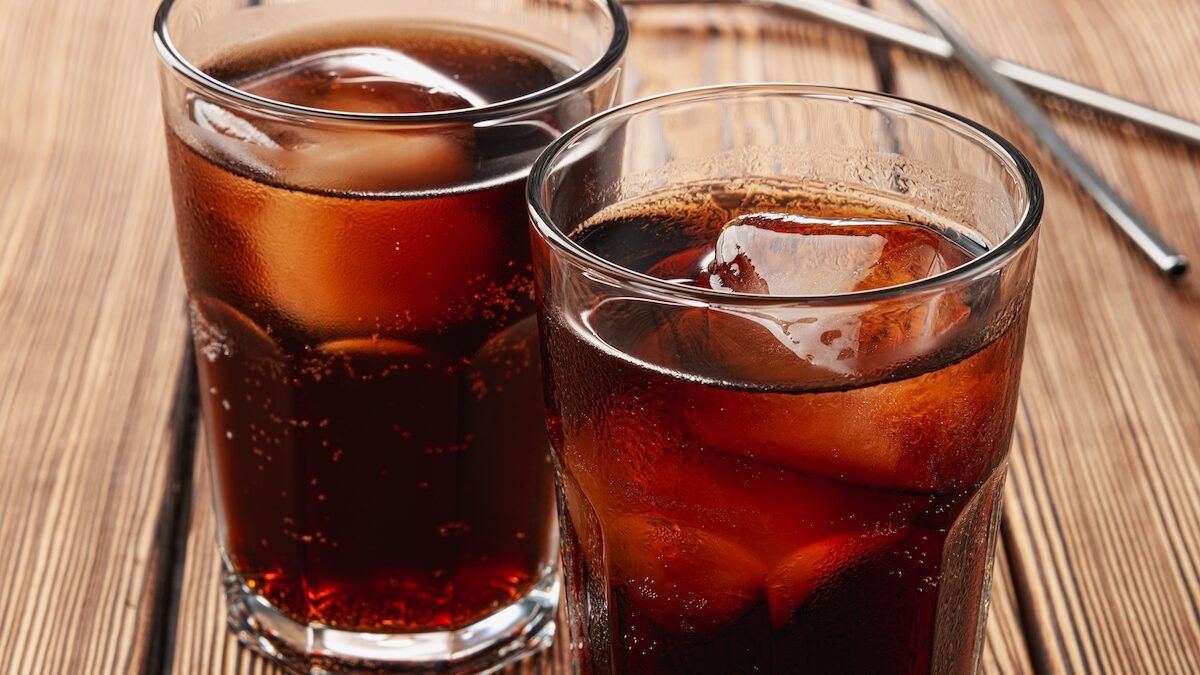
On the terrace, the very rich dish combo plus zero sugar soda is often reassuring: zero calories displayed, therefore a “reasonable” choice. These drinks already represent a major share of soda sales in France, driven by fear of sugar and weight. A world-renowned endocrinologist, however, points out that zero sugar does not mean a harmless drink.
What does Robert Lustig criticize about zero-sugar sodas?
This expert is Robert Lustig, an endocrinologist at the University of California. In an interview taken up by Men’s Health Spainhe summarizes: “These drinks may not have any sugar, but their problem is everything else they contain to make them taste sweet, like artificial sweeteners“, he warns. For him, the sweet taste is enough to send a message to the brain, which warns the pancreas.
Robert Lustig claims that the body reacts to this signal as if sugar were arriving. The pancreas then releases insulin, which can promote hunger and storage. “Ultimately, you will have an increased insulin response because you are exposed to the sweetener.“, he explains. These drinks also remain ultra-processed products.
On the label of a common zero-sugar soda, such as lemonade, we read, for example, sweeteners such as acesulfame-K E950, sucralose E955 or aspartame E951, combined with acidifiers and flavorings. Some work describes an anticipated insulin response to a simple sweet taste, although recent meta-analyses find effects similar to water in the short term.
Zero sodas: what the WHO, ANSES and the Mayo Clinic say
In May 2023, the World Health Organization issued a recommendation against using sugar-free sweeteners to control weight or reduce the risk of chronic diseases. The WHO considers that the long-term benefits remain unproven and mentions possible links with type 2 diabetes and cardiovascular diseases.
In France, theNational Agency for Food, Environmental and Occupational Health Safety (ANSES) indicated as early as 2015 that sweeteners had not proven a lasting effect on weight, blood sugar or the incidence of diabetes. The Mayo Clinic points out that these products can help reduce sugar in a short period, but that the evidence remains too limited to present them as a long-term solution.
What to drink instead of a zero sugar soda?
For Men’s Health Spain, the simplest alternative remains water, still or sparkling, if you like bubbles. A study published in 2025 in BMJ NutritionPrevention and Health suggests that sparkling water may slightly increase glucose uptake and metabolism. Its author, Akira Takahashi, warns, however, that it “is not an independent solution for losing weight“.
Akira Takahashi also insists: “A balanced diet and regular physical activity remain crucial elements of sustainable weight management“, he recalls.
To limit zero-sugar sodas without upsetting everything, one strategy is to reserve these drinks for festive occasions, to favor water or unsweetened tea on a daily basis and, little by little, to accustom your palate to less sweet flavors.