
At 65, Pamela Cook was a cheerful, supportive and healthy British woman. But a change of mood and memory loss turned his life upside down. She did not know then that she was doomed.
“Give antidepressants time…“
In September 2023, the sixty-year-old begins to feel unusual fatigue, as well as dizziness and forgetfulness. A situation which quickly undermines her self-confidence. Pamela then consults her doctor who assures her that these are signs of depression. One prescription later, Pamela is surprised but somewhat reassured.
However, the treatment undertaken does not change anything. “When her condition didn’t improve, she went back for treatment. But the doctor simply told her to give the antidepressants more time,” her daughter Clair testifies today to the media.
A few weeks later, Pamela has a panic attack when she can no longer remember what she is doing on her own stairs. Her husband decides to take her to the hospital for treatment. The first step in a long fight against cancer.
Aggressive brain cancer revealed
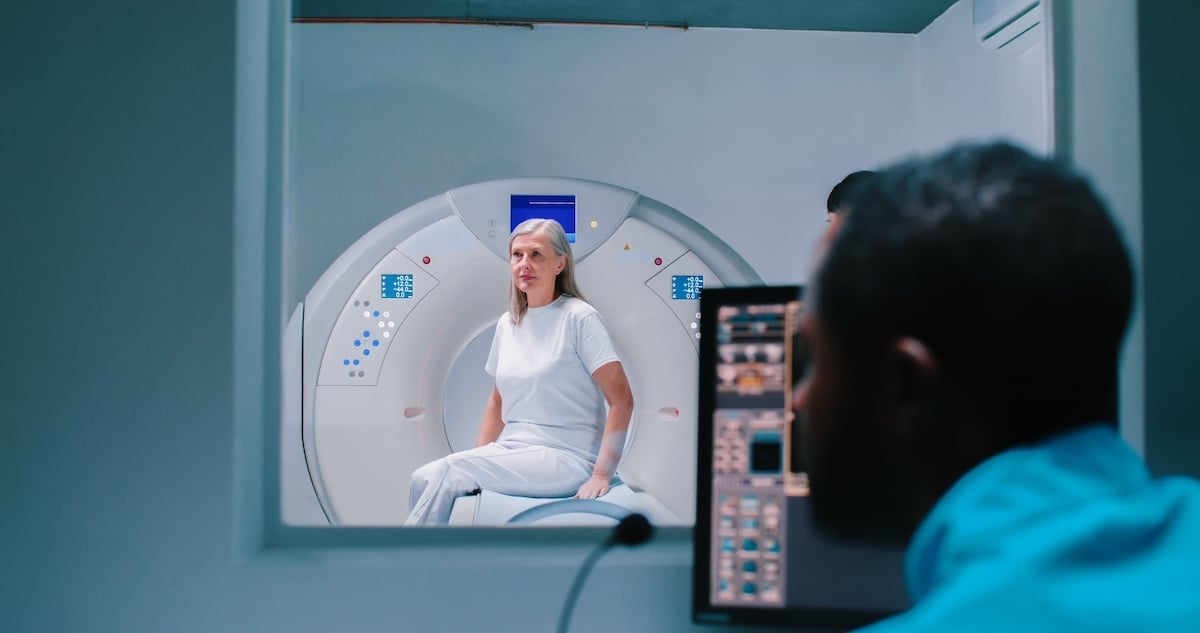
Because Pamela is in no way depressed, and the tests carried out will quickly determine this. An MRI detects a brain tumor.
Additional tests reveal the unthinkable: Pamela has glioblastoma, one of the most aggressive forms of cancer. Its life expectancy is 12 to 18 months.
Surgeons operated quickly to remove most of the tumor. Pamela then begins six weeks of chemotherapy and combined chemotherapy, between Christmas and New Year.
But the tumor returns in February 2024, and nothing more can be attempted. Pamela died surrounded by her family in March 2024. Today Clair, one of her three daughters wants to mobilize the population in research against glioblastoma.
Without imaging, the tumor grows quietly
In France, glioblastoma affects around 3,500 people each year. It is a tumor that grows very quickly. The most common symptoms are persistent headache, nausea or vomiting, but it can also cause slurred speech or vision, dizziness, and difficulty remembering or changes in behavior.
For Dr Gérald Kierzek, this is where the error may lie.
“Glioblastoma may initially be confused with depression due to psychological symptoms such as fatigue, memory problems and behavioral changes.” However, a CT scan or a brain MRI are the reference examinations for its detection, revealing a mass.
“This tumor is not inherently difficult to visualize on MRI once suspected, as imaging provides precise images of its size, shape and location. However, subtle and nonspecific early symptoms often delay clinical suspicion, favoring errors such as a depressive diagnosis without initial imaging.”
Signs that should alert you
Persistent headaches, resistant to treatment, accompanied by morning nausea or vomiting, should prompt consultation. Likewise, the appearance of neurological disorders — severe dizziness, epileptic seizures, difficulty speaking, problems with vision, smell or loss of strength on one side of the body — is an alarm signal.
You should also be alert to changes in behavior, memory or personality that worsen quickly, especially if antidepressants provide no improvement.
“Faced with these symptoms, it is essential not to be satisfied with a diagnosis of depression and to quickly request imaging (CT or MRI) to rule out a neurological cause”.
Ask for a second opinion if in doubt
Finally, if the doctor reassures you, but your symptoms persist or worsen despite initial treatment, it may be helpful to seek a second opinion. “Discuss and suggest imagery. On the other hand, if all the exams have been done… Don’t panic!” concludes the doctor.