
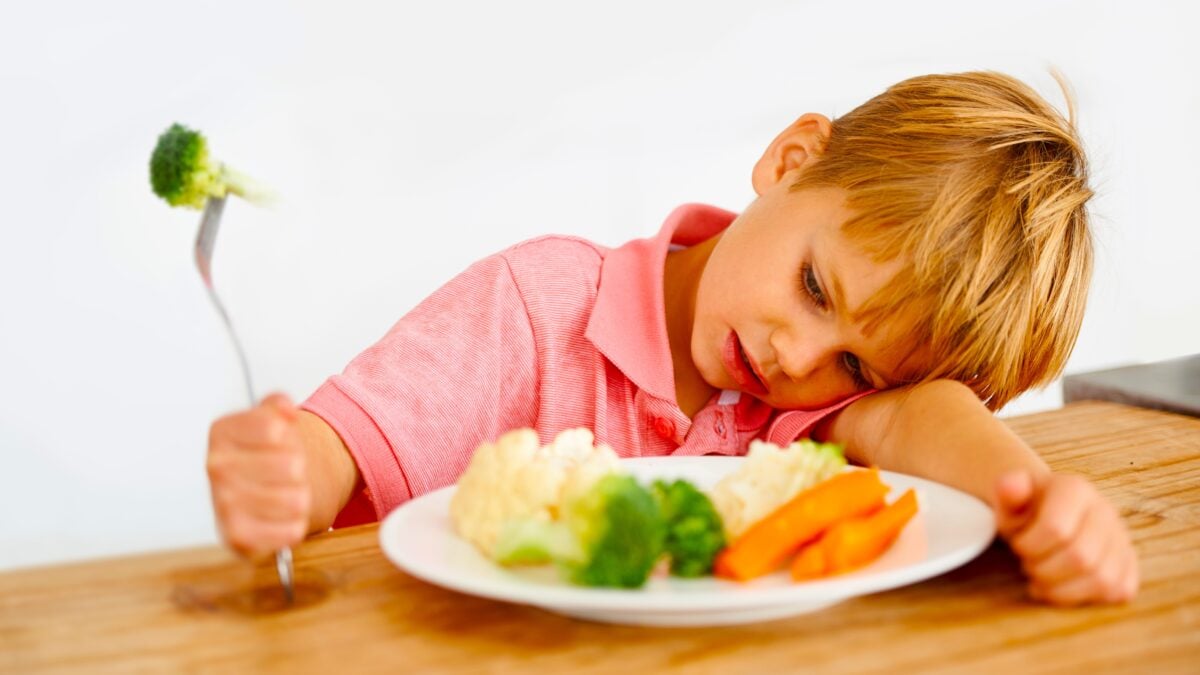
Diets excluding or limiting animal products are attracting growing interest, including for families with children. But is this type of diet recommended for the youngest?
A large meta-analysis, published in the journal Critical Reviews in Food Science and Nutritionanalyzed data from nearly 49,000 young people across 18 countries to assess the consequences of these dietary choices.
Promising benefits for heart health
The researchers compared three groups:
- Children following a vegan diet (exclusively plant-based).
- Those with a vegetarian diet (vegetable with eggs and dairy products).
- And omnivorous children, consuming everything.
The conclusions are encouraging on the cardiovascular level. Children who adopt a well-managed plant-based diet have better overall cardiovascular health. They have lower cholesterol levels, particularly LDL cholesterol (the “bad” cholesterol), the accumulation of which is a precursor to arterial problems.
However, this also comes with a tendency to be thinner and smaller, with lower body mass index (BMI) and fat mass.
Dr Monica Dinu, lead author, wants to be reassuring.
“Our analysis of current data suggests that well-planned and properly supplemented vegetarian and vegan diets can meet nutritional needs and promote healthy growth in children.”
The risk of deficiencies and the imperative of supplementation
While the benefits are clear, the study also highlights the other side of the coin: without adequate planning, nutritional deficits are likely. Indeed, vegan children consume more beneficial nutrients such as fiber, folate, iron and vitamin C. However, their intakes of several essential elements were considered insufficient: vitamin B12, zinc, calcium, iodine, energy, proteins and lipids.
One of the co-authors, Jeannette Beasley, emphasizes critical nutrients.
“Vitamin B12 did not reach sufficient levels without supplementation or fortified foods, and intakes of calcium, iodine and zinc were often at the low end of recommended ranges.” She adds that vegan children, in particular, had notably low calcium intake.
These deficiencies are not trivial. Lack of vitamin B12, for example, can lead to anemia, manifested by persistent fatigue and general weakness.
The expertise of our dietitian: adapting the diet of these children
Faced with these challenges, support from health professionals is essential. Claire Trommenschlager, dietician, confirms that these diets are valid, “but with precautions”.
For the specialist, the danger lies in the lack of knowledge of the equivalences for the two diets.
“What must be avoided, in either case, is simply eliminating animal proteins and replacing them with only vegetables and starchy foods. It is imperative to replace the animal protein with a source of vegetable protein adapted to the age of the child.”
The preferred sources of plant protein are legumes (lentils, beans, peas) and soy products (tofu, tempeh).
The vegetarian diet, an easier balance
For the vegetarian diet, implementing this balance is simpler thanks to the inclusion of animal products.
“For vegetarians, eggs, dairy products and cheese facilitate protein and calcium intake, helping to more easily meet the child’s needs.“, specifies Claire Trommenschlager.
On the other hand, the total exclusion of animal products requires increased vigilance. “It is crucial to favor plant-based drinks and desserts enriched with calcium. In addition, parents must check the enrichment of these products, particularly when they are organic, because this is no longer systematically authorized in organic foods.“recalls the dietitian.
Structure the base and call a doctor if necessary
Finally, by structuring the child’s plate, she recommends a precise plan.
“The plate will consist of vegetables, starchy foods (pasta, potatoes, cereals) and a source of vegetable proteins. For vegans, the vegetable equivalents must supplement the contribution of dairy products and cheese, but the protein side is often less, the quantities must be adjusted”.
Finally, the dietitian insists on the safest approach. “If you wish to implement a vegetarian or vegan diet, it is essential to consult, if possible, a pediatric dietician who will adapt the diet to the specific needs of the child. Without forgetting strict medical monitoring, which is also essential” she believes.
This monitoring will be crucial to prevent deficiencies. “In particular, it is necessary to check the iron status, because this deficiency is very common in children, including omnivores. It will also be necessary to consider vitamin B12 supplements, among others, depending on the profile, but this should never be done without a medical recommendation and a prior nutritional assessment.” she concludes.