
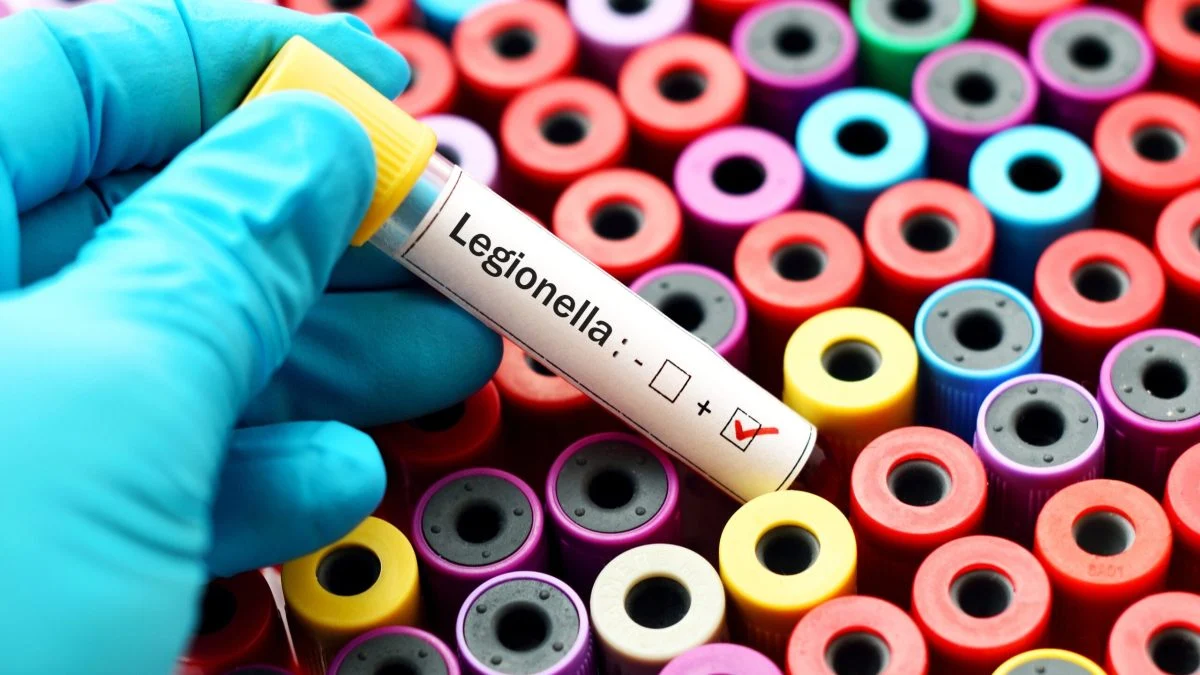
The curve of respiratory infections worries the authorities in the middle of the Savoy summer. Since June 1, the Auvergne-Rhône-Alpes regional health agency has recorded 41 cases of
legionnaires’ disease in Savoytwo of which resulted in the death of people over 80 years old. Forty patients had to be hospitalized for respiratory problems, according to the latest report released on Tuesday. This resurgence of a rare but serious disease occurs while the department welcomes many tourists.
According to theARS Auvergne-Rhône-Alpes34 patients reside in Savoy and 7 only stayed there. A majority of cases have in common a passage in the west of the department, around the basin of Chamberyan area now targeted by the environmental investigation. The episode is reminiscent of that of September 2025 aroundAlbertvillewhere 46 cases had been identified, including two deaths.
Upsurge in Legionnaires’ disease in Savoie: figures and affected area
Outside of any tourist context, theARS Auvergne-Rhône-Alpes describes an episode considered unusual in his report. It indicates that “41 cases of Legionnaires’ disease were declared to the health authorities in Savoie” between June 1 and August 10. The General Directorate of Health, for its part, recalls that “Legionnaires’ disease is a severe pneumonia. Lethality, although lower than in the past, reached 11%“.
To find the source of contamination, the ARS focuses its research on water networks and installations that emit microdroplets. “Around thirty samples were taken: collective building water networks, cooling towers, supermarkets, restaurants, etc.“, explains the agency, which expects the first results by August 17. These analyzes should make it possible to identify a possible outbreak of Legionella in the west of the department.
Legionnaires’ disease, a serious respiratory infection caused by stagnant water
Legionnaires’ disease is a potentially fatal respiratory infection caused by bacteria that thrive in specific environments.
“It is a sometimes serious respiratory infection, caused by bacteria of the Legionella genus which proliferate in lukewarm and stagnant water, such as water networks, showers, spas or jacuzzis” defines Dr. Gérald Kierzek, emergency physician and medical director of True Medical.
Contamination does not occur by drinking contaminated water.
“It mainly occurs by inhaling micro-droplets of contaminated water suspended in the air, for example when turning on a shower, a hot tub or a poorly maintained jacuzzi.”
Frail people are most exposed to the risk of complications. “We often speak of ‘Legionnaires’ disease’, a form of pneumonia that can cause severe complications, especially in the elderly, smokers, immunocompromised or suffering from chronic illnesses. the doctor lists again.
What are the symptoms to watch out for?
After 2 to 10 days of incubation, the disease often manifests itself as “high fever, chills, dry or wet cough, shortness of breath, and chest pain, such as pneumonia” notes the doctor.
“General signs – severe fatigue, headaches, muscle pain – and digestive symptoms – diarrhea, nausea – are common, sometimes accompanied by confusion in the elderly; any suspicion should lead to an emergency consultation.” he still believes. “Legionnaires’ disease is treated with antibiotics active against Legionella and early treatment clearly improves the prognosis.
Case of Legionnaires’ disease in Savoie: good reflexes at home
While awaiting the conclusions of the investigation
Savoythe Ministry of Health recalls that “Each of us can take action at home to combat exposure to legionella“. To limit the risks of exposure to Legionnaires’ disease, certain simple but essential habits can be implemented at home:
- Check that the hot water temperature is greater than or equal to 50°C (no more as this may cause burns);
- Run the water regularlyparticularly in rarely used taps or showers, in order to avoid stagnation conducive to the proliferation of bacteria;
- After a prolonged absencelet the hot and cold water run for a few minutes before using them again;
- Clean and descale faucet nozzles, shower heads frequentlyas well as all equipment likely to accumulate deposits;
- Maintain your hot water system once a year by a professional;
- Also remember to maintain your home air conditioning systemscleaning and disinfecting them according to the manufacturer’s recommendations.
These simple reflexes complement the action of the ARS on large installations.