
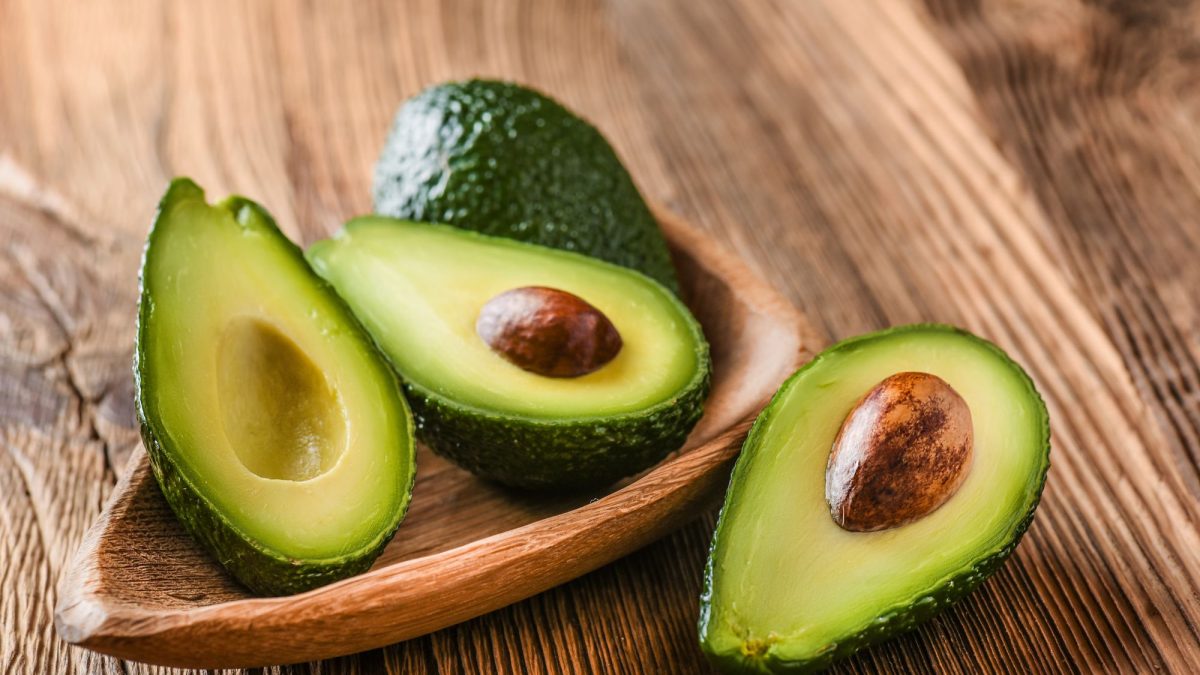
Is your avocado still hard, already too ripe… or simply too expensive? Good news: there are other foods that can provide fiber, good fats and proteins to your meals. Chia seeds, Greek yogurt, nuts, olives or hummus can easily take over.
Lawyer: why replace him?
The lawyer has everything to seduce. It provides fiber, potassium, vitamins and monounsaturated fats, while being filling enough to easily find its place at breakfast or lunch. On a toast, in a salad or mixed in a sauce, it is also particularly easy to use.
But by buying more, the bill can quickly climb. Its seasonality and, in some people, poor digestive tolerance can also make you want to vary. If you’re looking to eat a balanced diet without blowing your budget, other foods can take over.
This is particularly the case for olives, which also provide monounsaturated fats. The journal Nutrients looked at some of their compounds, such as oleuropein and hydroxytyrosol, which have antioxidant properties. Chia seeds play the fiber and plant omega-3 card more: one ounce, or around 28 g, provides around 11 g. An interesting contribution when seeking to promote satiety and the proper functioning of transit.
The 5 superfoods that can replace avocado
To find the good fats in avocado, first think about olives. Black or green, whole or in tapenade, they slip easily into a salad, pasta or sandwich. They provide in particular monounsaturated fats and vitamin E.
If you’re looking to increase your fiber intake instead, chia seeds are a simple option. A spoonful in yogurt or a smoothie is enough. On contact with a liquid, they swell and also provide omega-3.
Another possibility, this time to find the creamy side of avocado: Greek yogurt. Richer in protein than a classic yogurt, it also provides calcium and, depending on the product, live ferments. With a little lemon, herbs and a drizzle of olive oil, it easily transforms into a spread.
Nuts and seeds also provide you with good fats, fiber and micronutrients. Almonds, walnuts, sunflower or hemp seeds can be added to a salad, porridge or simply eaten in small handfuls. An analysis relayed by Harvard Health also associates regular consumption of nuts with a lower risk of cardiovascular disease.
And to replace avocado on toast or in a wrap, hummus also has its say. Prepared with chickpeas, it provides vegetable proteins, fiber, folate, iron and zinc. With some raw vegetables and wholemeal bread, it can easily make a satisfying snack.
How to Choose the Right Avocado Substitute for Your Needs
The choice depends above all on what you are looking for in avocado.
For unsaturated fats, olives and nuts are good. To increase fiber intake, chia seeds and hummus have their place. And if you’re mainly looking for something creamy and high in protein, Greek yogurt can be a good option.
Vegetarians or vegans can notably rely on hummus, chia seeds, nuts and olives to vary their toast, salads and bowls.
The idea is therefore not to find a food that reproduces the avocado identically. No two have the exact same nutritional profile. The most interesting thing is to vary the sources of fiber, proteins and fats, alternating vegetables, fruits, whole grains, legumes, nuts, seeds and vegetable oils.
So avocado can stay on the menu if you like it. But it is far from being the only food capable of making up a balanced plate.