
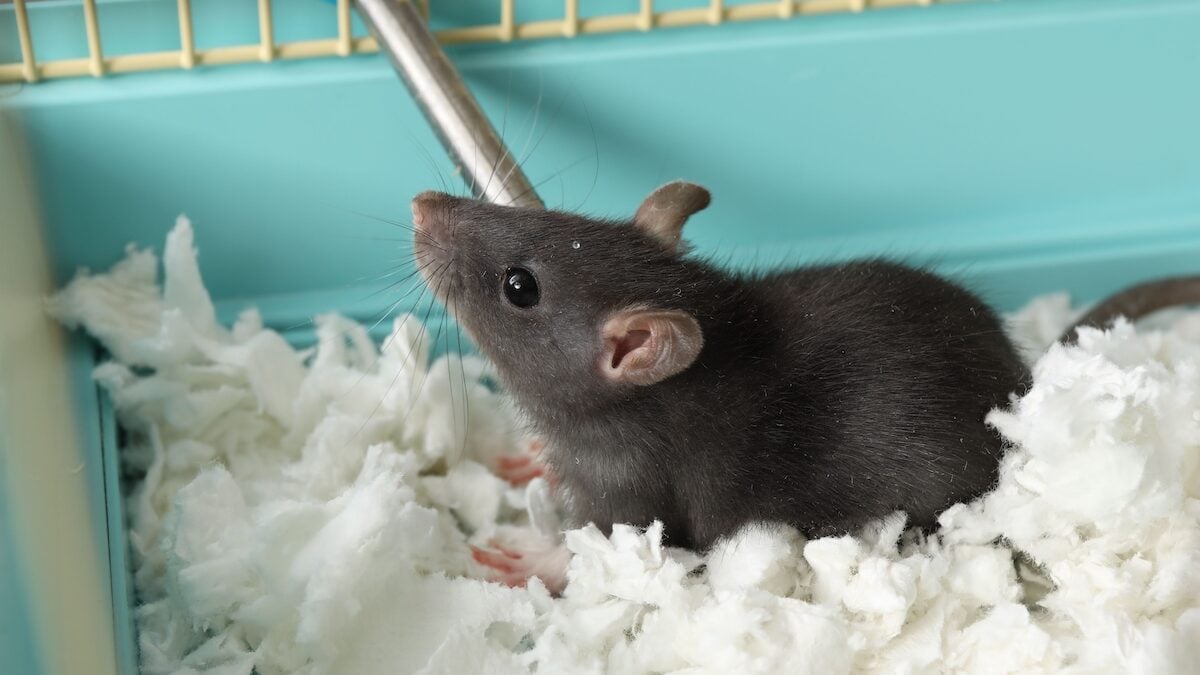
A health alert was triggered in Haute-Saône after three young adults aged 25 to 35 were taken into intensive care. All had recently purchased pet rats from the same pet store. The cause: leptospirosis, an infectious disease transmissible from animals to humans, still largely unknown in France but nevertheless subject to increased surveillance.
Contamination linked to domestic rats
It was by cross-referencing the epidemiological investigations carried out around these three cases that the health authorities identified a common point: the purchase of domestic rats in the same establishment. The patients, hospitalized in critical condition, were able to return home after intensive care treatment and are now out of danger. A favorable outcome, far from being systematic on a global scale.
As soon as these cases were identified, the Regional Health Agency implemented immediate measures. The animal protection service of the Departmental Directorate of Employment, Labor, Solidarity and Population Protection (DDETSPP) carried out an inspection of the pet store concerned, took steps with the supplier and informed all the pet stores in the area. Veterinarians in the area have also been alerted in order to reinforce vigilance.
Leptospirosis, an infection transmitted by contaminated water
Leptospirosis is a bacterial infection caused by bacteria of the genus Leptospira. These bacteria are excreted in the urine of many animals, mainly rodents, but also dogs and livestock such as cattle, pigs or horses. They can survive for several weeks in fresh water, mud or damp soil.
Present in mainland France, leptospirosis is however more common in overseas territories and tropical zones. “The main reservoirs are rodents, asymptomatic carriers of bacteria”explained Dr. Mathieu Picardeau, biologist and director of the National Reference Center for Leptospirosis at the Pasteur Institute. “All mammals can transmit the bacteria, but unlike rodents, certain animals such as dogs can develop severe forms and die.”
Human contamination occurs when the bacteria enters the body through a wound, even small, or through the mucous membranes (eyes, mouth, nose), during contact with contaminated water: rivers, lakes, puddles, stagnant or muddy water, particularly after heavy rain.
Symptoms, diagnosis and severity
After an incubation of 5 to 14 days, the disease most often begins with high fever, severe headache, muscle pain and red eyes. The diagnosis is based on biological examinations, in particular a PCR test or serology.
According to the Pasteur Institute, leptospirosis is “often benign” in humans, but it can progress to severe forms with kidney or liver damage. The disease then becomes fatal in 5 to 20% of cases. Moderate forms can sometimes resolve spontaneously, but antibiotic treatment is generally recommended.
A disease still underestimated
For Dr Gérald Kierzek, emergency doctor, this case illustrates a danger that is too often minimized:
“Leptospirosis often affects young, healthy people. The incubation is short and the progression can be rapid. Even with intensive care, mortality in severe forms can reach 40%.”
Treatment is based on the urgent administration of antibiotics (penicillin or ceftriaxone), associated with hospitalization in intensive care in the most severe cases. Despite this, developments may remain unfavorable.
How to protect yourself?
Health authorities recall several essential prevention measures qi con
- Avoid swimming in murky, stagnant water or after heavy rain;
- Never enter the water with an unprotected wound;
- Wear protective equipment (boots, gloves, overalls) during risky activities;
- Wash thoroughly with soap after any contact with fresh water;
- Immediately disinfect any cuts or scrapes;
- Seek medical attention if you develop a fever within 4 to 14 days of exposure, including contact with fresh water or animals.
Regarding rodent owners, ARS Franche-Comté adds that these animals can carry the bacteria without showing the slightest symptom. “The particularity of leptospirosis in rodents lies in the fact that the bacteria are excreted continuously in their urine, throughout the animal’s life. People in close contact with these rodents may thus be exposed, particularly when cleaning the cage or handling the litter.”
Health authorities recall several precautionary measures to limit the risk of contamination:
- Wear gloves, as well as a mask and protective glasses when changing the litter;
- Wash your hands carefully after each handling of the animal or its environment;
- Avoid any handling in case of injury to the hands, or protect the wounds with a waterproof dressing or gloves;
- Do not handle the animal during meals or drinks;
- Avoid any contact between the animal and the face (mouth, nose, eyes).
A global problem
Although leptospirosis remains relatively rare in France, with around 600 to 700 cases recorded each year, it constitutes a major public health issue on a global scale. Every year, more than a million people contract the disease worldwide and around 60,000 die from it.