
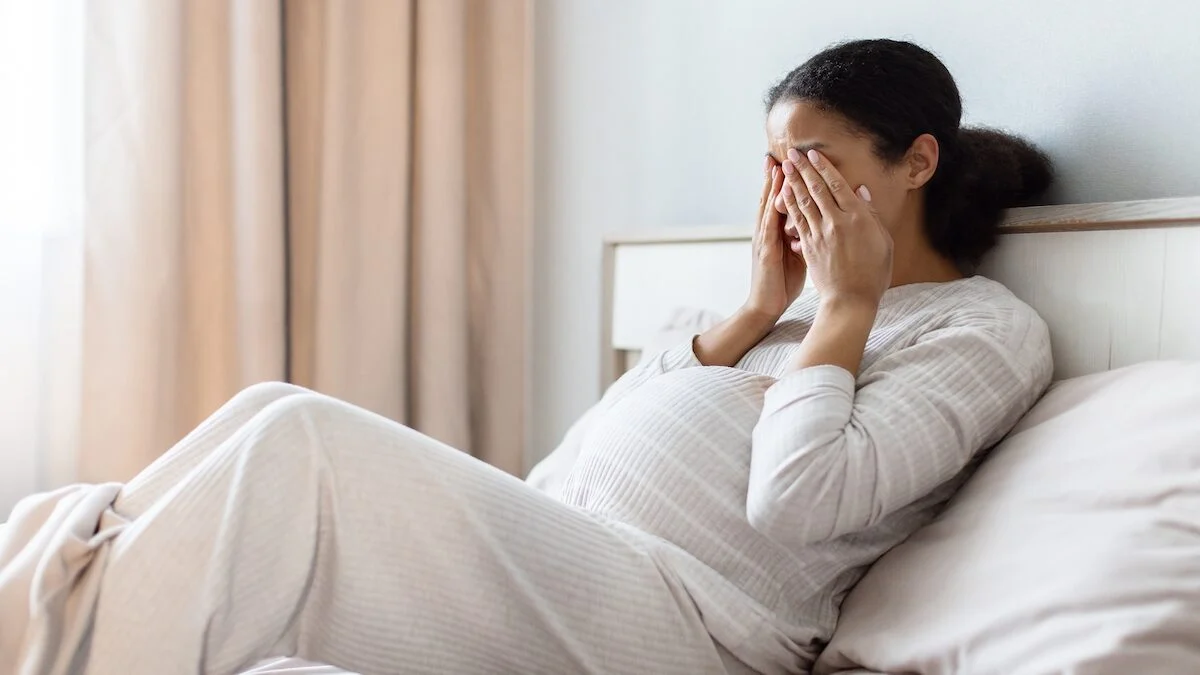
Pregnancy is often presented as a time of joy and transformation. Yet for some women, changes in the body can revive or trigger an eating disorder. A phenomenon that is still largely unknown, although it can have significant consequences for both the mother and the baby.
A period of great upheaval which can weaken
Pregnancy brings rapid and sometimes difficult physical changes. Weight gain, transformation of the silhouette, hormonal fluctuations: so many upheavals that can affect one’s self-image.
For Elizabeth Claydon, now a researcher at West Virginia University, this period awakened thoughts related to her former anorexia. “I looked at myself in the mirror and I didn’t recognize myself“, she tells BBC.
His testimony is far from isolated. According to data cited in the article, approximately one in 20 women suffer from an eating disorder during pregnancy. Some experience a relapse after years of remission, while others develop their first symptoms at this time.
For Australian psychologist Gemma Sharp, a specialist in body image and eating disorders at the University of Adelaide, pregnancy can be a favorable breeding ground for the appearance of these disorders. Women then go through a phase of intense transformation, comparable to other periods of risk such as puberty or perimenopause.
Suffering that is often invisible and underdiagnosed
Despite their potential impact, eating disorders during pregnancy frequently fly under the radar.
According to the experts interviewed, several factors explain this situation. First, the symptoms can be confused with those of the pregnancy itself. For example, morning sickness may mask purging behaviors associated with bulimia.
Stigma also plays a major role. Many women hesitate to talk about their difficulties, for fear of judgment or because they believe they are “too old” to still suffer from such problems.
The figures illustrate this reality: only 10% of pregnant women suffering from bulimia are diagnosed, and only half of them then benefit from referral to appropriate treatment.
Real risks for mother and baby
The consequences can be significant on a physical level.
When nutritional intake is insufficient, the body favors the baby’s development. The mother may then suffer from nutritional deficiencies, bone or muscle loss.
The data discussed also shows that anorexia nervosa and bulimia during pregnancy appear to almost double the risk of certain complications, including anemia, genital bleeding or severe vomiting.
Eating disorders are also associated with an increased risk of miscarriage, prematurity and low birth weight. Studies have also highlighted correlations with certain developmental disorders in children, notably ADHD and autism.
However, researchers emphasize that knowledge remains limited. According to Gemma Sharp, the lack of longitudinal studies and the small number of research devoted to this population still prevent us from precisely measuring the extent of the consequences.
Postpartum, a particularly risky period
Birth does not always mark the end of difficulties. On the contrary, the weeks following childbirth can be a period of great vulnerability.
Hormonal fluctuations, lack of sleep, new responsibilities and social pressure to quickly return to your pre-pregnancy body can contribute to a relapse.
According to cited estimates, 13% of postpartum mothers suffer from a clinical eating disorder.
Courtney Louise, an Australian yoga teacher, says she was overwhelmed by these difficulties after the birth of her daughter. Thanks to the support of her doctor and her therapist, she was able to avoid dietary restrictions and excessive exercise, two common behaviors in eating disorders.
Essential support to promote healing
Despite greater awareness in recent years, specialists recognize that the women concerned often remain insufficiently supported.
Australian psychiatrist Megan Galbally published in 2022 the first comprehensive clinical recommendations dedicated to anorexia nervosa during pregnancy. Other initiatives have also emerged, such as the Healing Bodies Healthy Babies program, created by Elizabeth Claydon.
Experts emphasize the importance of caring and collaborative follow-up, involving mental health professionals, obstetricians and dietitians when necessary.
Their message is clear: talking about your history or difficulties to a loved one or a healthcare professional can make a real difference. As psychologist Linda Shanti sums it up: “Everyone suffers from an eating disorder alone, but no one recovers alone.”