
When looking to increase your protein intake, certain foods immediately come to mind. However, their reputation for proteins is often exaggerated compared to their real content… Here are the products that most often lead to confusion.
Peanut butter
Very popular among athletes, peanut butter is often associated with proteins.
“However, a classic serving of two tablespoons (around 30 g) provides only 7 to 8 g of protein. It is therefore an excellent food, but not a major source of protein. Its main advantage is mainly due to its richness in good fats, fiber and micronutrients.“,
warns Melissa de Guardia.
Oilseeds
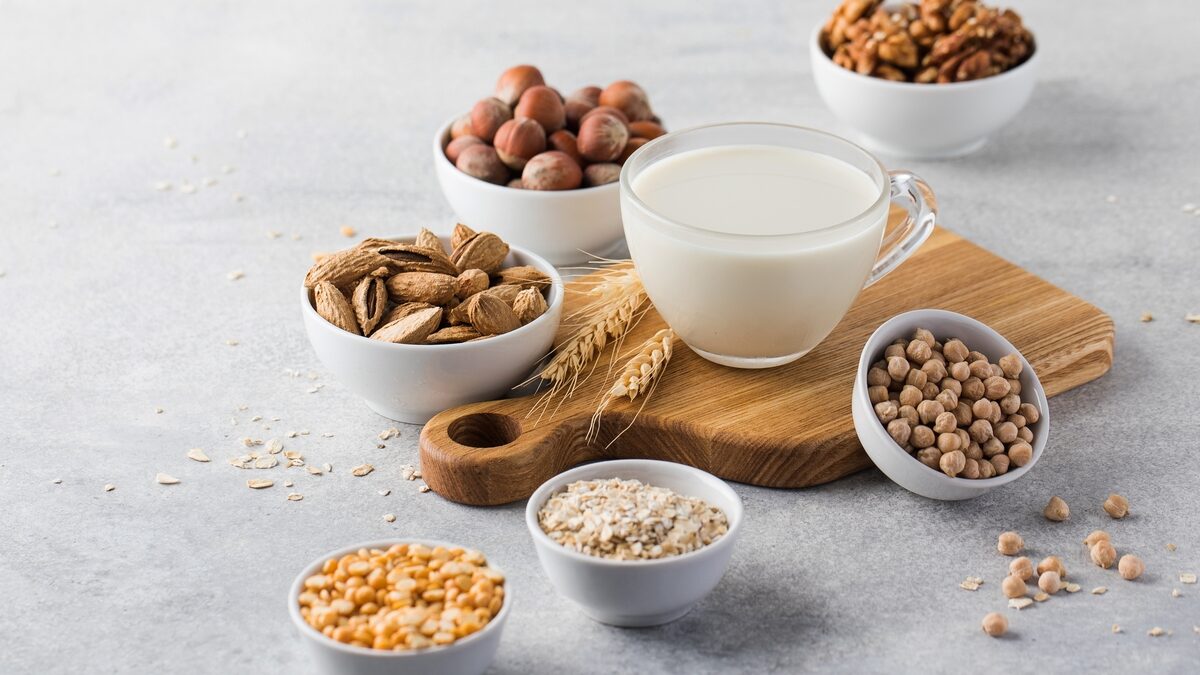
Almonds, cashews, hazelnuts and pistachios do contain proteins. However, their energy density is much greater than their protein content.
“For example, 30 g of almonds provide around 6 g of protein, the equivalent of an egg, but for a significantly higher calorie intake. Again, their main advantage lies in their good fats and their antioxidants”,
admits the dietician.
Quinoa
For several years now, quinoa has been one of the products loved by “foodistas”. But although it contains more protein than most cereals, the portions consumed remain too small to truly benefit from this nutritional advantage.
“A 150 g portion of cooked quinoa provides only 6 g of protein. It therefore contributes to daily intake, but cannot on its own replace a real protein source such as eggs, fish or legumes”,
underlines the nutritionist.
Oatmeal
Often present in athletes’ breakfasts, oatmeal is regularly presented as rich in protein.
“Except that in reality, a classic portion (of 40 g) provides around 5 g of protein. Consequently, their main interest lies above all in their richness in fiber, which promotes satiety and contributes to the regulation of blood sugar levels”, warns Melissa de Guardia.
Hummus
Made with chickpeas, fresh herbs, spices and tahini, hummus is popular right now. It also benefits from the good reputation of legumes.
“However, a typical 50g serving only provides around 3 to 4g of protein.“, underlines the expert. “Hummus remains an excellent choice as an aperitif or snack thanks to its fiber and good fats. On the other hand, it does not provide much protein,” she specifies.
Chia seeds
Chia seeds are regularly highlighted for their nutritional richness. They do indeed contain proteins, but in limited quantities in the portions usually consumed.
“A tablespoon provides only about 2 g of protein. They are therefore especially interesting for their fiber and omega-3”, confirms the specialist.
Plant milks
Drinks made from almond, rice or oats are often perceived as nutritionally equivalent to cow’s milk. However, most of them contain very little protein.
“Some almond drinks only provide one gram of protein per glass,” warns Melissa de Guardia.
Soy versions are an exception, however,”with more interesting protein contents“, explains the expert.
Broccoli
Broccoli is often touted as a protein-rich vegetable. And although it actually contains more than most other vegetables, its contribution remains modest.
“A 100 g portion provides around 3 g of protein. It is therefore more of a supplement than a real protein source”, says the dietitian.
So, which foods are actually protein? ?
To effectively cover your daily needs, it is better to rely on foods naturally rich in protein such as:
- Eggs ;
- The fish;
- Poultry;
- Lean meats;
- Dairy products rich in protein such as skyr or cottage cheese;
- Tofu;
- Tempeh;
- Legumes (lentils, red beans, split peas, chickpeas).
“The objective is not to exclude the foods mentioned above, which have many nutritional benefits, but simply to better understand their place in the diet. A food can be excellent for your health without being a significant source of protein“, concludes Melissa de Guardia.